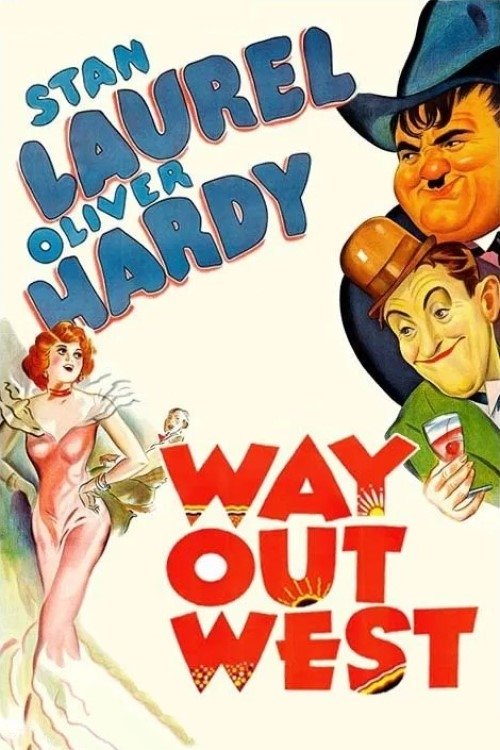
Way Out West
1937
No user ratings available yet
Representation score: 0.8 out of 10
Representation Score
Limited
1939
NRDirector
George Marshall
Runtime
94 minutes
Average Rating
No ratings yetNew Showbiz Analysis
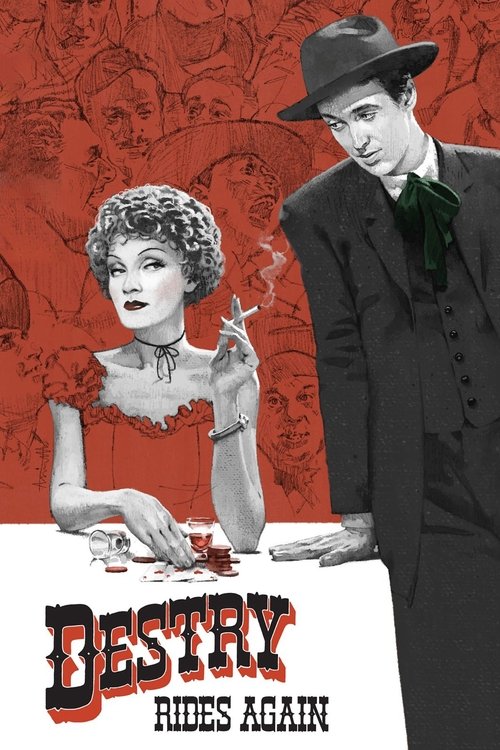
Destry Rides Again is a Western that challenges the typical violent frontier story by promoting order over individual violence. While the film breaks down traditional gender roles through Marlene Dietrich’s character, it still reflects the demographic limitations of its time. The film is progressive in its themes of governance and self-determination, yet it remains visually and socially traditional.
Category Breakdown
The film follows the social norms of the 1930s and does not include any non-traditional gender identities or same-sex relationships.
Frenchy challenges traditional gender roles by being economically independent and socially autonomous. She runs a saloon and refuses to submit to patriarchal authority.
The cast is mostly made up of white actors, reflecting the typical casting practices of the time. The story focuses on a small white community with little diversity.
The film criticizes local power structures by showing corrupt cattle barons causing trouble. It supports legal institutions over traditional frontier justice methods.
There are no visible or hidden disabilities shown in the film. Characters with disabilities are not used as central plot devices.
Present on Screen
Limited or Absent
Official Synopsis
Tom Destry, son of a legendary frontier peacekeeper, doesn’t believe in gunplay. Thus he becomes the object of widespread ridicule when he rides into the wide-open town of Bottleneck, the personal fiefdom of the crooked Kent.
1937
1972
1946
1965
1991
1970
1969
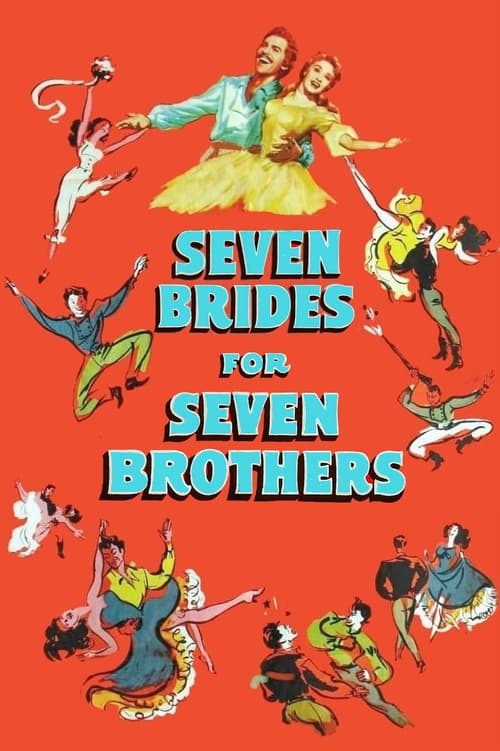
1954
No reviews yet. Be the first to share your thoughts on this movie!
Use the rating form above to leave a star rating and optional review.