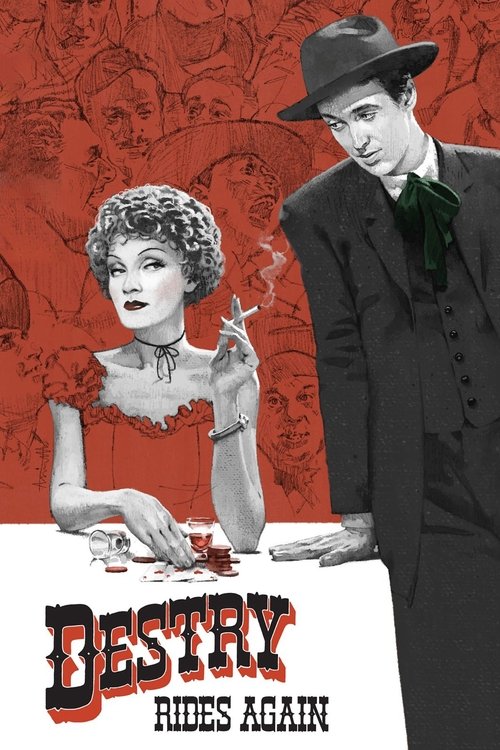
Destry Rides Again
1939
No user ratings available yet
Representation score: 2.5 out of 10
Representation Score
Minimal
1937
NRDirector
James W. Horne
Runtime
64 minutes
Average Rating
No ratings yetNew Showbiz Analysis
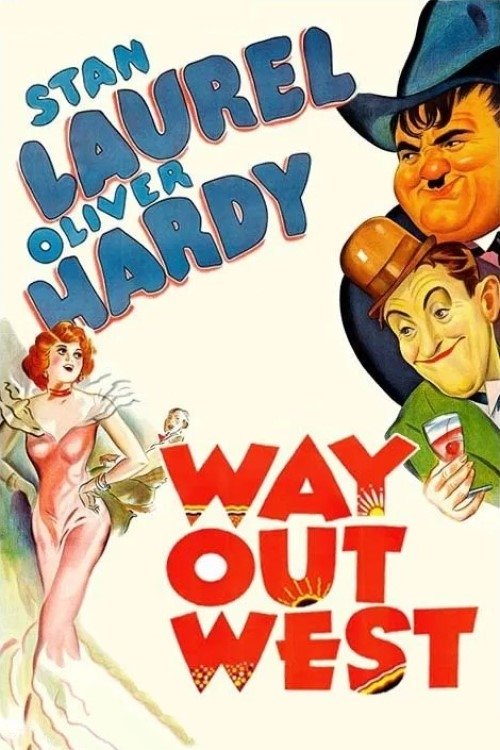
Way Out West is a quintessential product of its era, prioritizing slapstick comedy and established genre clichés over social complexity. The narrative architecture centers around the physical antics of Laurel and Hardy, reinforcing a traditional male-led dynamic. The film lacks depth in representing diverse identities, offering almost no representation for LGBTQ+ individuals or people with disabilities. Its world reflects the standard Anglo-centric Westerns of the 1930s. Ultimately, the film functions as a straightforward comedy of errors, reinforcing existing social hierarchies and traditional gender roles without challenging or expanding them.
Category Breakdown
The film follows a traditional structure typical of 1930s studio productions, with no depiction of LGBTQ+ identities or same-sex relationships.
The power dynamics in the film center heavily on the male protagonists, Stan and Ollie. Female characters primarily serve as narrative foils or objects of pursuit rather than independent agents.
The setting reflects the demographic homogeneity of the era's Westerns. The cast lacks significant racial or ethnic diversity, focusing on Anglo-centric depictions.
The story follows conventional Western clichés centered on the pursuit of material wealth. It lacks systemic critique or themes of secularism and anti-capitalism.
No visible or invisible disabilities are portrayed with real depth. While the film relies on physical slapstick, it avoids nuanced engagement with neurodivergence or chronic illness.
Present on Screen
Limited or Absent
Official Synopsis
Stan and Ollie try to deliver the deed to a valuable gold mine to the daughter of a dead prospector. Unfortunately, the daughter's evil guardian is determined to have the gold mine for himself and his saloon-singer wife.
1939
1933
1936
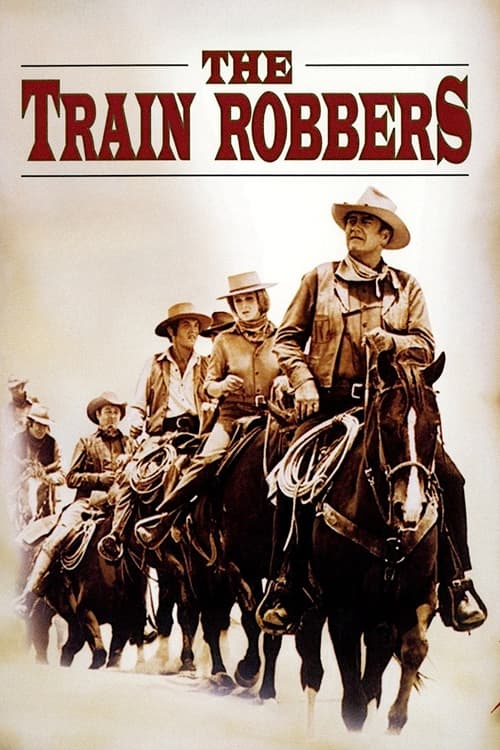
1973
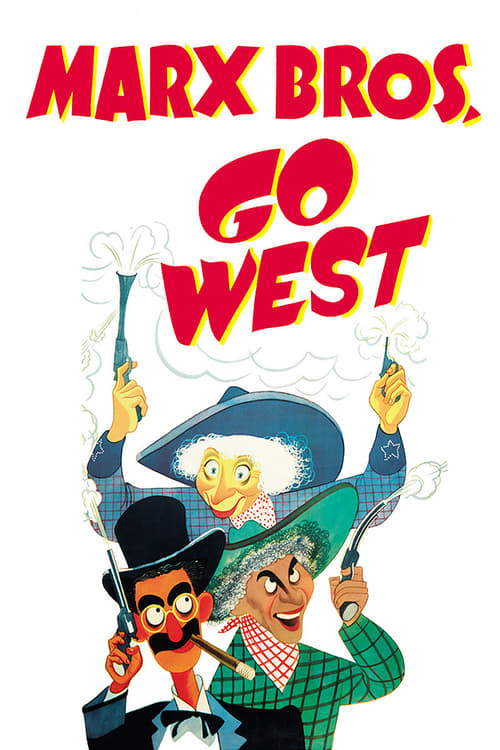
1940
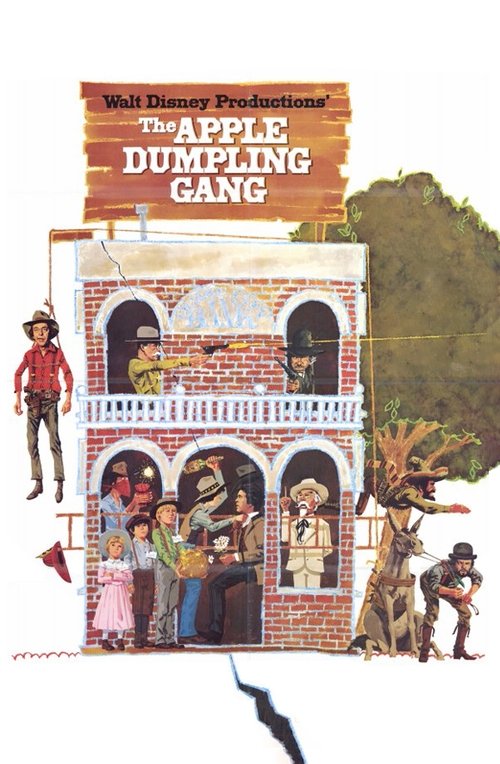
1975
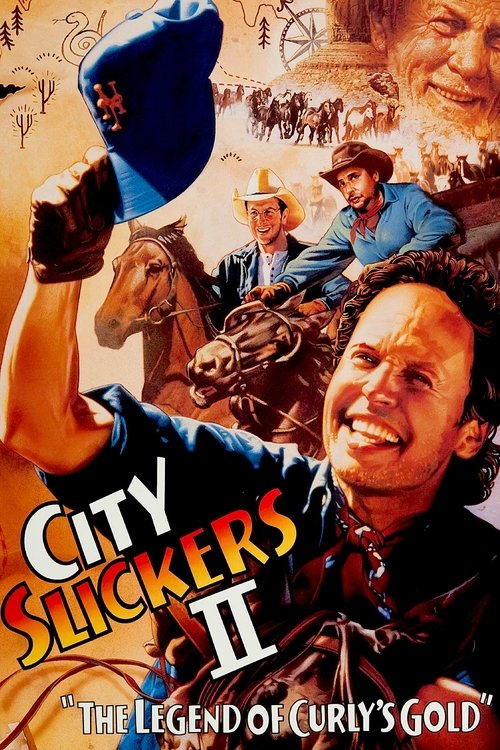
1994

1953
No reviews yet. Be the first to share your thoughts on this movie!
Use the rating form above to leave a star rating and optional review.