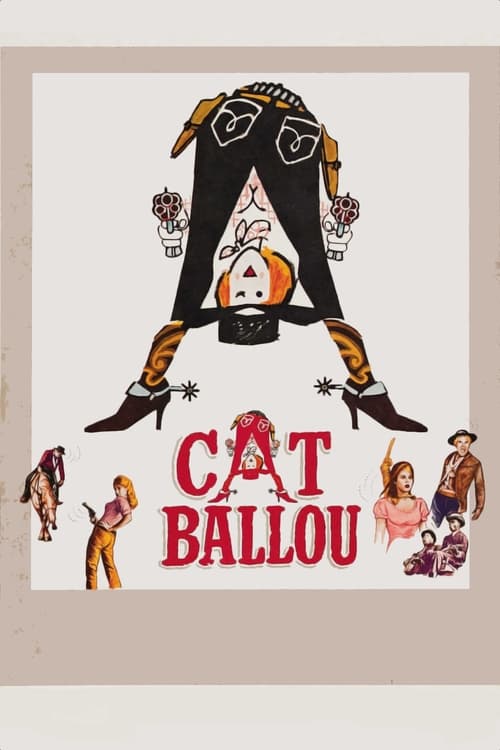
Cat Ballou
1965
No user ratings available yet
Representation score: 6.6 out of 10

Representation Score
Limited
1953
NRDirector
David Butler
Runtime
101 minutes
Average Rating
No ratings yetNew Showbiz Analysis
Calamity Jane explores mid-century gender performance. While it presents a female lead who rejects domesticity in favor of rugged, masculine aesthetics, it remains tied to the era's social expectations. The film's strength lies in its disruption of feminine norms, though it ultimately seeks to restore traditional order. However, the film is limited by the cinematic biases of its time, offering almost no racial diversity and lacking any exploration of LGBTQ+ identities.
Category Breakdown
The film follows 1950s standards where everyone is assumed to be straight or cisgender. There is no explicit depiction of LGBTQ+ identities, and the protagonist's tomboy persona is presented as a style choice rather than a queer exploration.
Doris Day's character challenges traditional gender roles by adopting masculine attire and social dominance. However, the story eventually steers her towards conventional romantic and domestic resolutions.
The cast is primarily white and Anglo-Saxon, reflecting early 1950s Western clichés. Non-white populations are not given meaningful representation or ability to act, and the story focuses solely on the settler experience.
The film celebrates the American frontier through a lighthearted musical approach. It upholds traditional mid-century values and romantic partnerships without critiquing Western hegemony or institutions.
There are no prominent depictions of physical or neurodivergent disabilities that serve as central character elements or drive the narrative.
Present on Screen
Limited or Absent
Official Synopsis
Sharpshooter Calamity Jane takes it upon herself to recruit a famous actress and bring her back to the local saloon, but jealousy soon gets in the way.
1965

1969
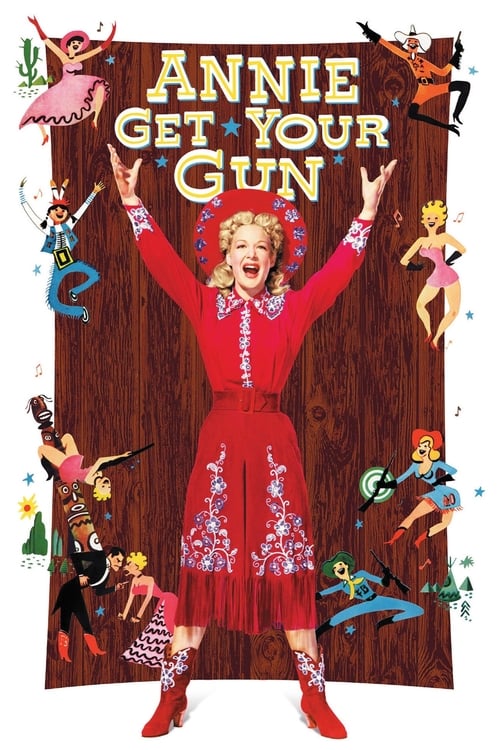
1950
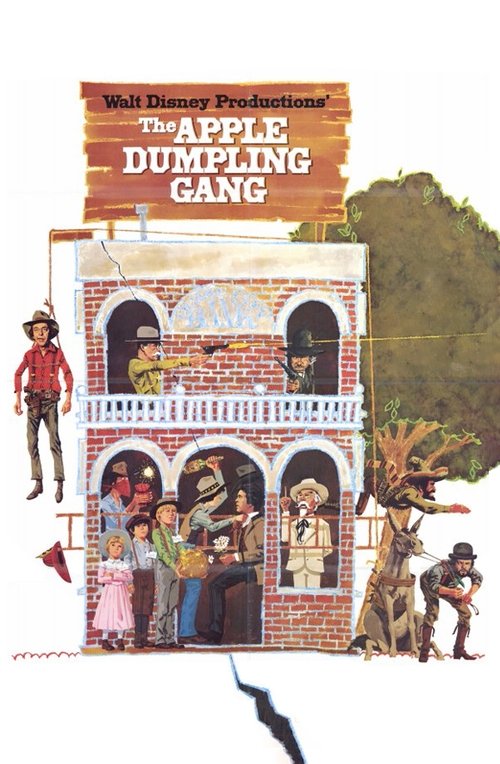
1975

1950

1955
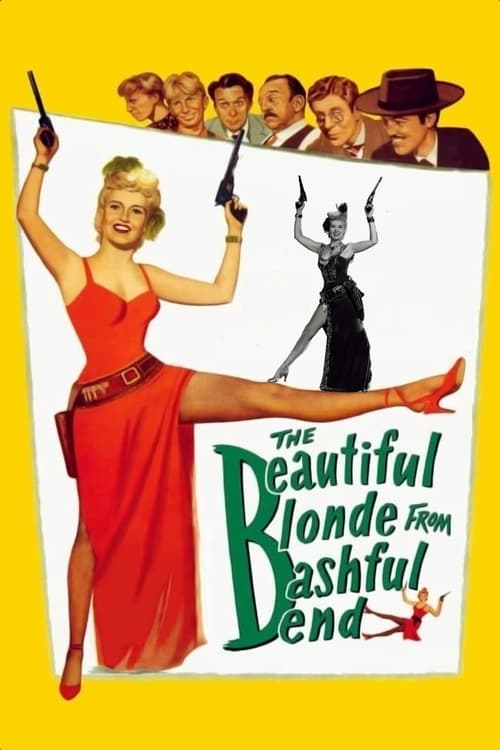
1949

1937
No reviews yet. Be the first to share your thoughts on this movie!
Use the rating form above to leave a star rating and optional review.