Blazing Saddles
1974
No user ratings available yet
Representation score: 4.8 out of 10
Representation Score
Fair
1972
PGDirector
John Huston
Runtime
120 minutes
Average Rating
No ratings yetNew Showbiz Analysis
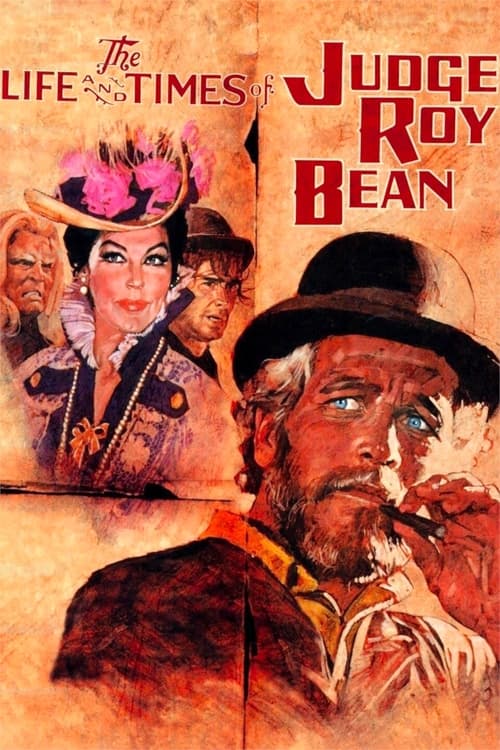
John Huston’s film deconstructs the Western mythos by focusing on the absurdity of frontier justice rather than idealized heroism. It shifts away from traditional genre clichés to highlight the performative nature of authority and law. The film’s strength lies in its critical stance towards institutionalism and the corruption inherent in imposed authority. It offers a nuanced view of the frontier that contrasts with many of its contemporaries. While the film lacks explicit modern identity markers, its narrative structure embraces moral relativism, providing a more layered depiction of the frontier than many similar works.
Category Breakdown
The film does not explicitly depict LGBTQ+ identities or romantic relationships. However, the close friendship between Bean and Fenley implies a deep, non-traditional closeness that goes beyond typical friendships.
Male characters hold most of the narrative power within the traditional 19th-century hierarchy. The film challenges the idea of stable masculine authority by portraying it as performative and absurd.
The film includes Mexican and Tejano characters, creating a socio-economically diverse setting that reflects historical borderland realities.
The film critiques Western institutions and the idea of 'civilizing.' It portrays law as a tool for personal whims, emphasizing moral relativism.
The film does not feature significant depictions of physical or neurodivergent disabilities that play a central role in the narrative.
Present on Screen
Limited or Absent
Official Synopsis
Outlaw and self-appointed lawmaker Judge Roy Bean rules over an empty stretch of the West that gradually grows, under his iron fist, into a thriving town, while dispensing his his own quirky brand of frontier justice upon strangers passing by.
1974
1969
1978

1959
1991
1939
2018
1970
No reviews yet. Be the first to share your thoughts on this movie!
Use the rating form above to leave a star rating and optional review.