
Damsel
2018
No user ratings available yet
Diversity score: 2.3 out of 10
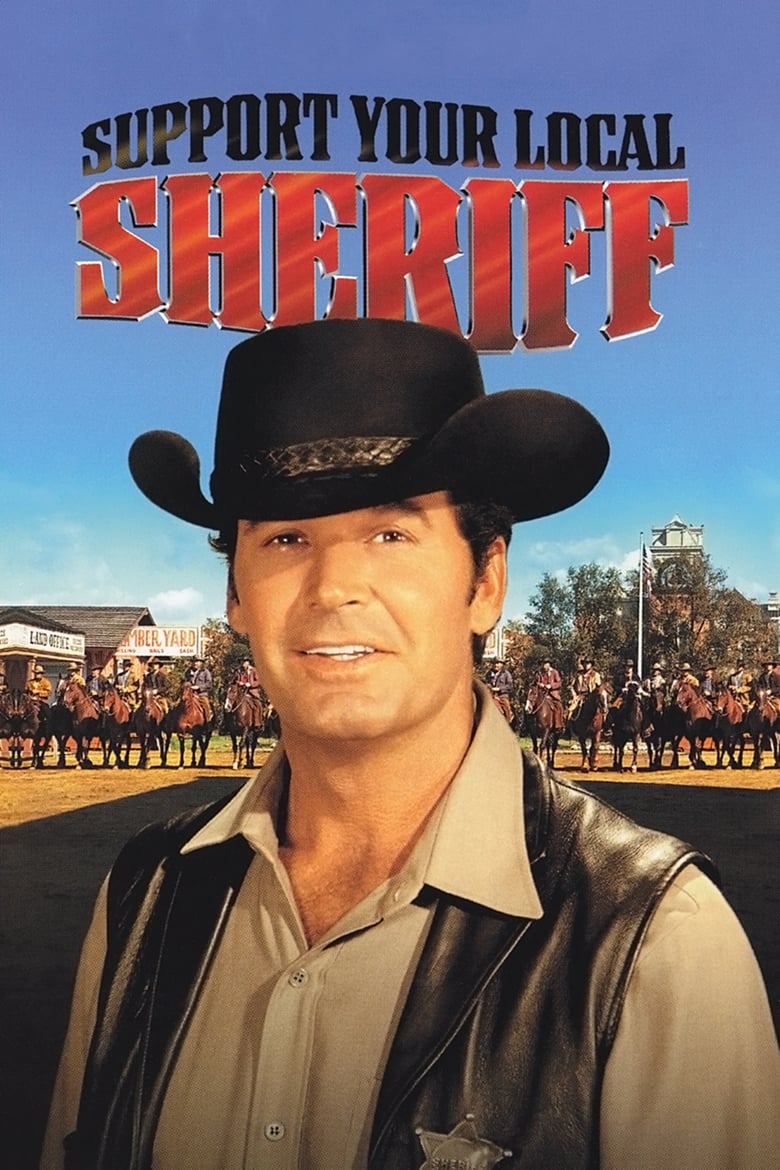
1969
GDirector
Burt Kennedy
Runtime
92 minutes
Average Rating
No ratings yetSynopsis
In the old west, a man becomes a Sheriff just for the pay, figuring he can decamp if things get tough.
Overall Score
Limited
Category Breakdown
LGBTQ+ Representation
The film contains no LGBTQ+ characters. Romantic subplots follow the traditional heteronormative conventions typical of 1960s cinema.
Gender Representation
James Garner subverts the hyper-masculine lawman archetype through a charming, indifferent persona. While Angie Dickinson serves as a narrative foil, the film adheres to established romantic tropes.
Racial & Ethnic Diversity
The cast is largely homogeneous, reflecting the era's standard approach to frontier narratives. There is no significant non-white agency integrated into the central plot.
Religious & Cultural Diversity
The film uses moral relativism to challenge the singular righteousness of classical Westerns. It deconstructs authority through comedy rather than systemic socio-political critique.
Disability Representation
No visible or invisible disabilities are portrayed as central to the character arcs or the narrative development.
Strengths
Areas for Improvement
AI Analysis
Support Your Local Sheriff! functions as a revisionist Western that uses postmodern irony to deconstruct the myth of the infallible, hyper-masculine frontier lawman. By prioritizing character eccentricity over rigid moral binaries, the film moves away from the traditional heroics of the genre. However, this subversion of masculinity does not translate into broader intersectional representation. The film remains limited by the historical constraints of 1969, offering a homogeneous cast and a lack of diverse identities. Ultimately, the film's strength lies in its comedic deconstruction of institutional authority, even as it fails to provide significant racial, cultural, or disability-based representation.
2018

1978

1991

1991
2015
1986
1979
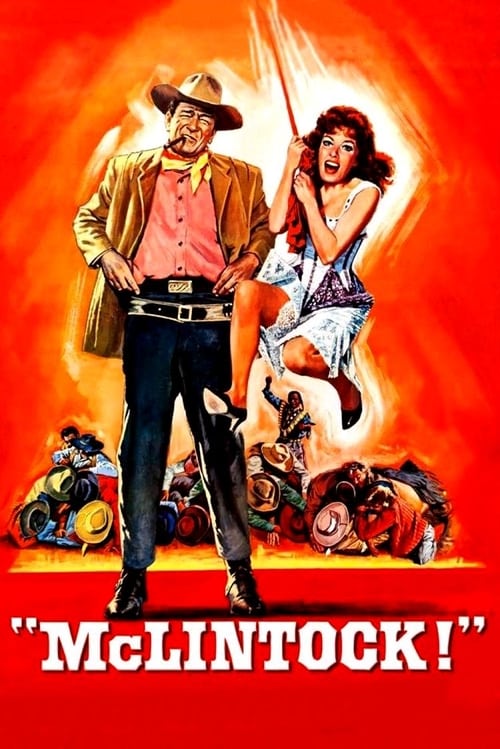
1963

2014
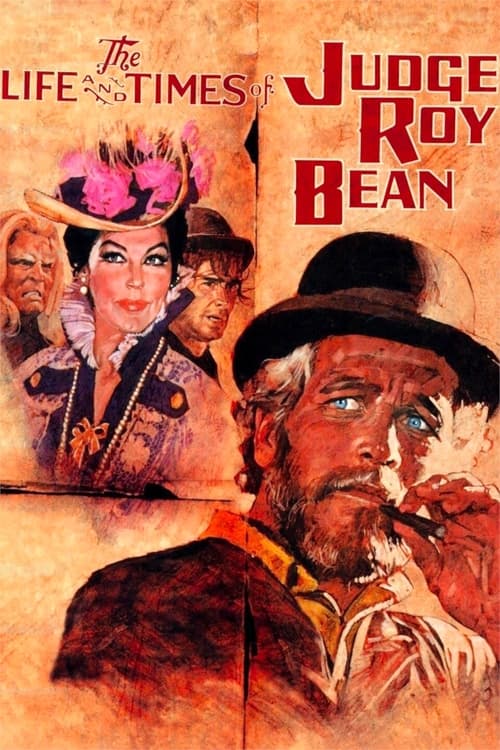
1972
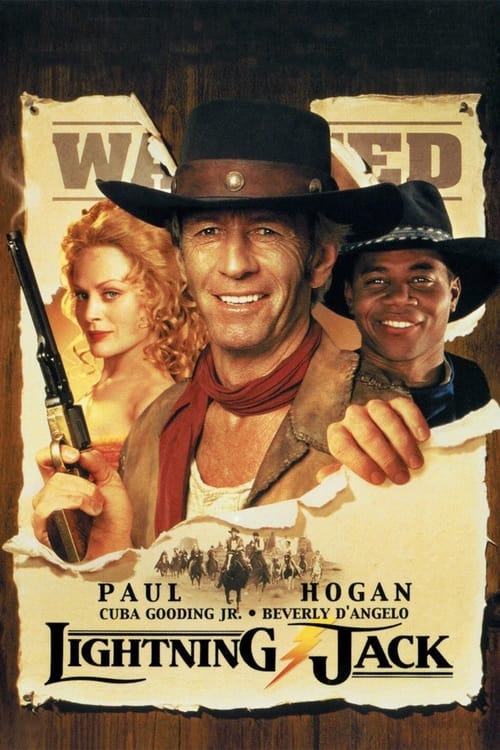
1994

1974
No reviews yet. Be the first to share your thoughts on this movie!
Use the rating form above to leave a star rating and optional review.