The Edge of Love
2008
No user ratings available yet
Representation score: 5.3 out of 10
Representation Score
Limited
2016
PG-13Director
Terry George
Runtime
133 minutes
Average Rating
No ratings yetNew Showbiz Analysis
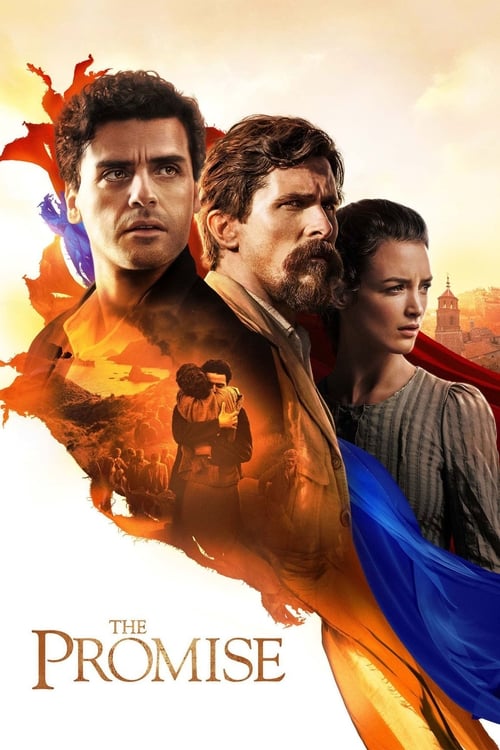
The Promise succeeds as a powerful vehicle for ethnic representation, centering the Armenian struggle against state-sponsored violence. It challenges dominant historical narratives by prioritizing the documentation of a suppressed truth. However, the film remains constrained by its period setting, resulting in a lack of LGBTQ+ visibility and a heavy reliance on male-driven plots. While female characters possess sophistication, they often lack the primary ability to act seen in their male counterparts. Ultimately, the film excels in its mission of historical reclamation and institutional critique, even while adhering to traditional gender hierarchies.
Category Breakdown
The film focuses on a traditional romantic triangle and the preservation of ethnic identity. There is no representation of non-binary gender identities or critiques of the assumption that everyone is straight.
The narrative emphasizes male-driven plots typical of its early 20th-century setting. Female characters like Ana exhibit intellectual depth but often play supporting roles defined by vulnerability to systemic violence.
The film centers the Armenian experience and the trauma of the Armenian Genocide. It challenges Western-centric storytelling by highlighting the ability to act of an Armenian protagonist resisting ethnic cleansing.
The story critiques state power and the devastating impact of nationalism. Religious identity serves as a central axis of systemic targeting and conflict within the historical context.
There is no significant focus on visible or invisible disabilities as a central narrative component.
Present on Screen
Limited or Absent
Official Synopsis
Set during the last days of the Ottoman Empire, a love triangle develops between Mikael, a brilliant medical student, the beautiful and sophisticated artist Ana, and Chris, a renowned American journalist based in Paris.
2008

1970
2017
2000
2013

2016
2013
2017
No reviews yet. Be the first to share your thoughts on this movie!
Use the rating form above to leave a star rating and optional review.