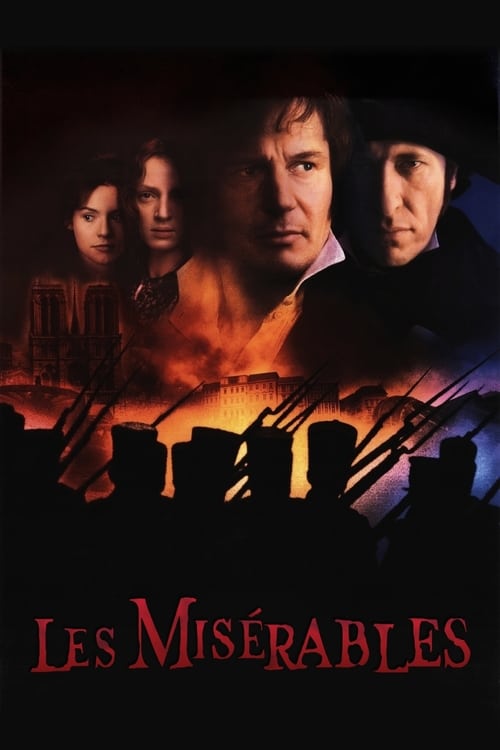
Les Misérables
1998
No user ratings available yet
Representation score: 5.0 out of 10

Representation Score
Good
2012
PG-13Director
Tom Hooper
Runtime
158 minutes
Average Rating
No ratings yetNew Showbiz Analysis
Les Misérables is a powerful exploration of class struggle and institutional corruption. It centers the suffering of the working class and critiques the predatory nature of the state and capitalist underworld. However, the film remains limited by its historical homogeneity. The lack of racial diversity and queer representation confines the narrative within traditional, conventional bounds of 19th-century European storytelling. Ultimately, the film's strength lies in its moral complexity rather than demographic variety. It prioritizes the tension between systemic law and human compassion over modern inclusive casting.
Category Breakdown
The film focuses solely on heterosexual relationships and traditional family structures. There are no queer narratives or non-binary gender identities represented.
Women play significant roles in the film, particularly through characters like Fantine and Éponine. The narrative highlights how patriarchal structures exploit female vulnerability and limit their autonomy.
The casting reflects a homogeneous European population consistent with the historical setting. The film lacks diverse ethnic representation or intentional casting that varies from traditional expectations.
The story provides a sophisticated critique of Western institutions and capitalism. It contrasts individual mercy against the oppressive, rigid systems of the state.
Physical and mental struggles are depicted through the lens of poverty and systemic trauma. These elements serve more as socioeconomic markers than specific disability explorations.
Present on Screen
Limited or Absent
Official Synopsis
An adaptation of the successful stage musical based on Victor Hugo's classic novel set in 19th-century France. Jean Valjean, a man imprisoned for stealing bread, must flee a relentless policeman named Javert. The pursuit consumes both men's lives, and soon Valjean finds himself in the midst of the student revolutions in France.
1998

1937

2008

2007
2013

1956
2012
1989
No reviews yet. Be the first to share your thoughts on this movie!
Use the rating form above to leave a star rating and optional review.