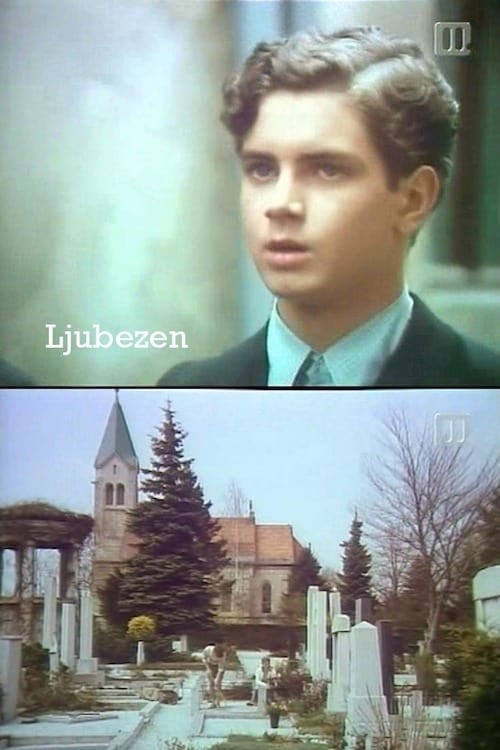
Love
1984
No user ratings available yet
Representation score: 5.2 out of 10
Representation Score
Limited
1968
Director
Mladomir 'Puriša' Đorđević
Runtime
84 minutes
Average Rating
No ratings yetNew Showbiz Analysis
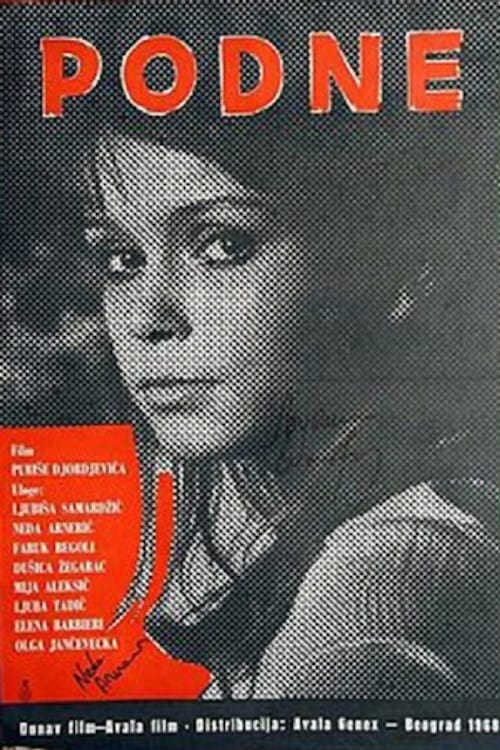
Noon (1968) serves as a sophisticated exploration of a society in transition. By framing the personal lives of a Serbian community through the lens of the Tito-Stalin split, the film examines how massive geopolitical ruptures destabilize individual ability to act and communal cohesion. The film's strength lies in its narrative structure rather than demographic variety. It challenges state-sanctioned narratives by focusing on the fragmentation of social identity and the complexities of navigating competing global powers. While the cast appears ethnically homogeneous, the film uses political realignment as a proxy to explore cultural friction and the deconstruction of monolithic loyalties.
Category Breakdown
This film does not include any verified representation of LGBTQ+ identities or queer narratives. The historical and political context does not provide evidence of LGBTQ+ characters or stories.
The film focuses on social hierarchies during a time of radical political change. Women likely play roles that reflect the tension between traditional stability and the era's uncertain new social orders.
The story centers on a Serbian town during a period of intense Balkan realignment. It explores regional identity and the friction caused by shifting political loyalties.
The narrative addresses themes of anti-authoritarianism and the critique of monolithic power. It emphasizes the lived experience of a community navigating the collapse of ideological dominance.
There is no documented evidence regarding the inclusion of characters with physical or neurodivergent disabilities. The narrative focus remains on systemic and political shifts.
Present on Screen
Limited or Absent
Official Synopsis
The lives of many people in one Serbian town are changed after Tito's breakup with Stalin.
1984
1985

1955
1980

1962
1991
1980
1969
No reviews yet. Be the first to share your thoughts on this movie!
Use the rating form above to leave a star rating and optional review.