
Don't Leave
2022
No user ratings available yet
Diversity score: 4.8 out of 10
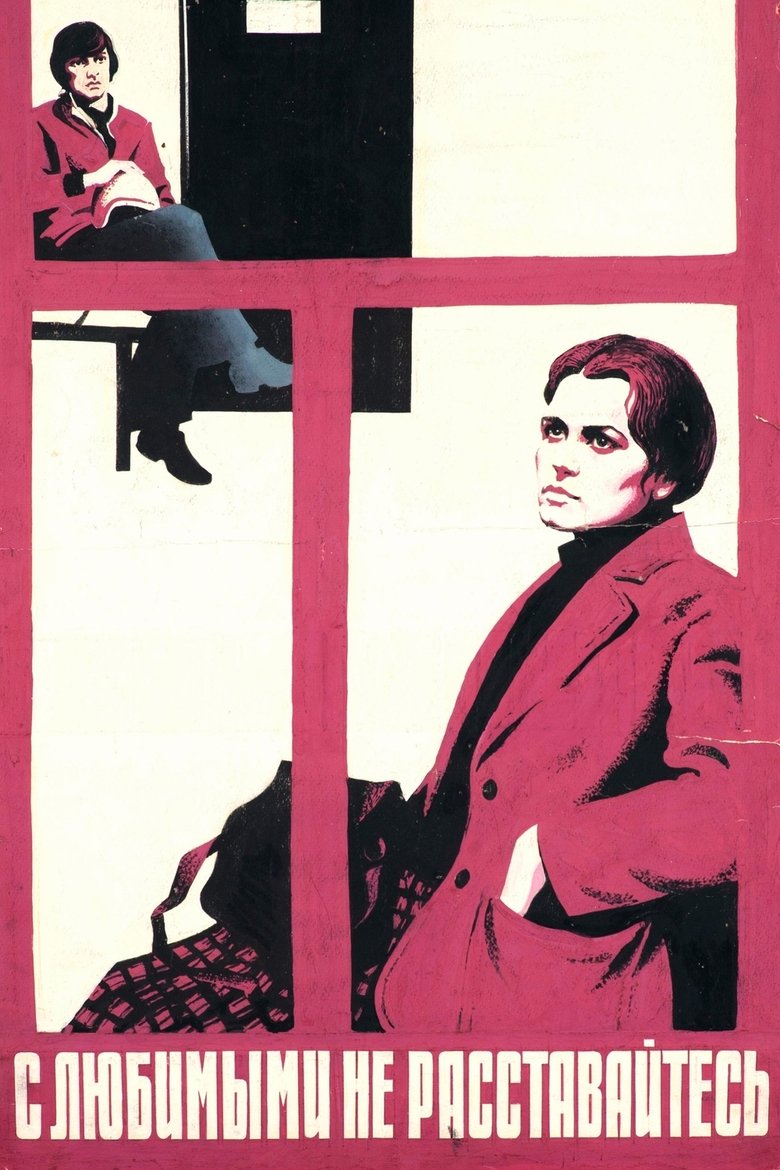
1980
Director
Pavel Arsenov
Runtime
76 minutes
Average Rating
No ratings yetSynopsis
Sometimes divorce process could be really painful. This is exactly the case for the heroes of this romantic drama.
Overall Score
Fair
Category Breakdown
LGBTQ+ Representation
The story centers on heteronormative romantic entanglements and the dissolution of a marriage. There is no evidence of queer narratives or non-cisnormative identities within the film.
Gender Representation
Katya's agency drives the plot, as her decision to seek companionship outside her marriage challenges the trope of the submissive wife. This forces the male protagonist into emotional instability.
Racial & Ethnic Diversity
The cast and setting appear largely homogeneous, reflecting the demographic realities of the Soviet era. There is no evidence of significant racial blending in the production.
Religious & Cultural Diversity
The film critiques the sanctity of the family unit by framing divorce as a painful public spectacle. It prioritizes subjective morality and situational ethics over rigid social absolutes.
Disability Representation
The narrative focuses on psychological and emotional struggles rather than physical or neurodivergent disabilities. There is no evidence of disability being used as a central device.
Strengths
Areas for Improvement
AI Analysis
Pavel Arsenov’s drama functions as a psychological study that prioritizes individual emotional truth over the preservation of traditional social structures. It moves away from state-sanctioned depictions of domestic stability to examine interpersonal friction. The film earns credit for subverting domestic tropes and deconstructing the idealized family narrative. By focusing on the ambiguity of infidelity and the complexities of human connection, it offers a more nuanced, secular worldview. However, the work lacks significant representation regarding racial or LGBTQ+ diversity. The setting and cast remain largely homogeneous, adhering to the social and demographic constraints of its 1980 Soviet context.
2022
1979
1988
1985
2000
1972

1969
1961
1978

1978

1958
1967
No reviews yet. Be the first to share your thoughts on this movie!
Use the rating form above to leave a star rating and optional review.