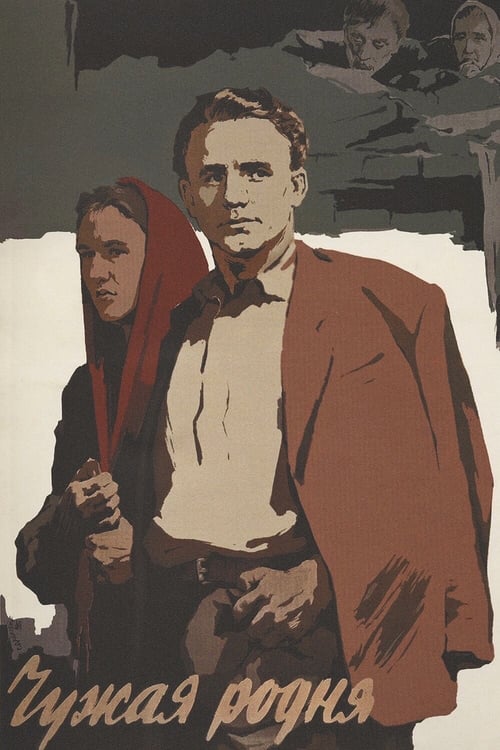
Other People's Relatives
1956
No user ratings available yet
Representation score: 3.1 out of 10
Representation Score
Minimal
1960
Director
Sergei Sidelyov
Runtime
87 minutes
Average Rating
No ratings yetNew Showbiz Analysis
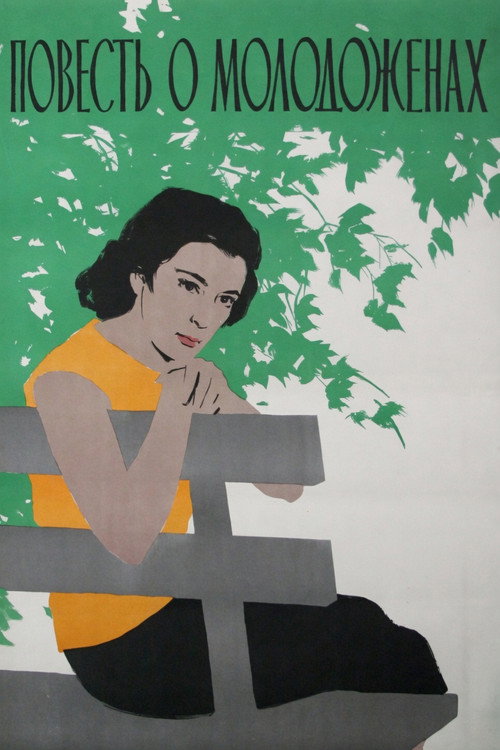
The Story about Newlyweds functions as a conventional domestic drama rooted in the social norms of 1960s Soviet cinema. It focuses on the complexities of marriage and the tension between personal desires and collective social responsibilities. While the film offers a sophisticated look at human relationships through a realist lens, it remains within the established cultural and social boundaries of its time. It does not disrupt traditional hierarchies or represent underrepresented identities.
Category Breakdown
The film does not include any characters with non-straight identities or same-sex relationships. It portrays traditional romantic structures typical of the 1960s.
The drama examines the challenges of married life, potentially offering a nuanced look at women navigating domestic expectations. However, it adheres closely to the traditional gender roles of its time.
The narrative reflects a relatively homogeneous social landscape with no indication of multi-ethnic integration or diverse casting within the main character arcs.
The film emphasizes secularism and community identity over religious frameworks. It explores domestic struggles as a result of broader societal changes within the Soviet context.
There is no documented evidence of characters with physical or neurodivergent disabilities in this production.
Present on Screen
Limited or Absent
Official Synopsis
A drama about a complications in a newlyweds life.
1956

1958
1989

1953
1969
1980
1976

1970
No reviews yet. Be the first to share your thoughts on this movie!
Use the rating form above to leave a star rating and optional review.