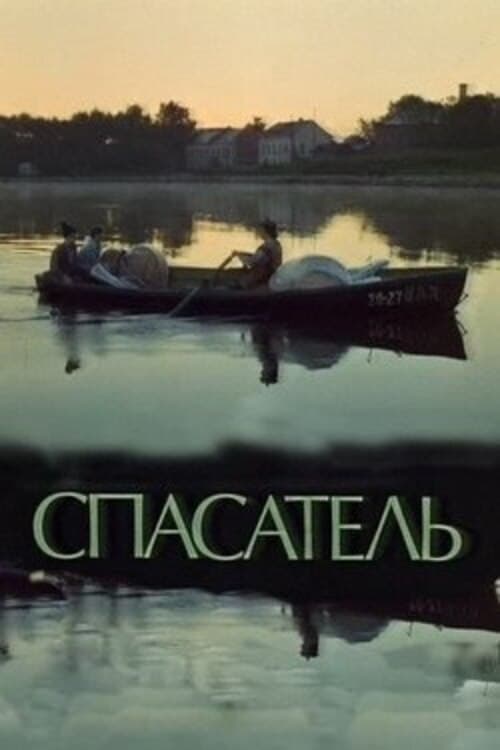
The Rescuer
1980
No user ratings available yet
Representation score: 4.9 out of 10
Representation Score
Minimal
1975
Director
Sergey Solovyov
Runtime
94 minutes
Average Rating
No ratings yetNew Showbiz Analysis
Solovyov's film is a poetic exploration of adolescence that emphasizes sensory experiences and personal perceptions. It captures the fleeting moments of memory and the emotional intricacies of youth through a unique lens of poetic realism. The narrative concentrates on character studies from a specific historical context, avoiding the deconstruction of social hierarchies seen in modern works. The film prioritizes the inner worlds of its characters over the inclusion of diverse identities or overlapping aspects of identity. Ultimately, the film stands as a lyrical coming-of-age story. It reflects the cultural and demographic uniformity of its mid-20th-century Russian setting without challenging broader social structures.
Category Breakdown
The film explores adolescent crushes within a traditional Soviet summer camp. There are no representations of same-sex relationships or non-binary gender identities.
The story revolves around a male protagonist's journey through adolescence. Female characters have emotional depth but conform to the gender roles of the time.
The cast reflects the demographic makeup of a specific Soviet provincial area. The film does not explore racial diversity or use actors from different backgrounds.
The film is set in a secular Soviet environment without any religious institutions. It focuses on the human experience rather than critiquing societal structures.
There are no significant portrayals of physical or cognitive disabilities that influence the plot or define key characters.
Present on Screen
Limited or Absent
Official Synopsis
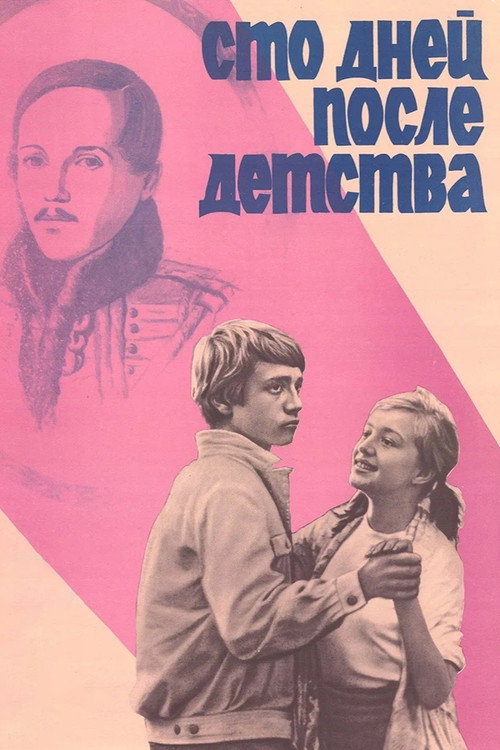
Pioneer leader Serge, a sculptor, decides to work in a new plastic material, among creatively gifted children in a camp located in an old mansion. Pioneer Lopukhin is so in love with his classmate Ergolina that he does not notice how fascinated Sonya Zagremukhina is with him. Showing their emotions and moods helps their participation in the production of the play "Masquerade" by Lermontov, and the play itself imperceptibly turns into a drama with unexpected confessions, insults, jealousy, and outbursts.
1980
1980

2004

1970
1982

1977
1960
1961
No reviews yet. Be the first to share your thoughts on this movie!
Use the rating form above to leave a star rating and optional review.