Strange Girl
1962
No user ratings available yet
Representation score: 4.7 out of 10
Representation Score
Good
2008
Director
Piro Milkani
Runtime
104 minutes
Average Rating
No ratings yetNew Showbiz Analysis
The film effectively uses a cross-cultural lens to explore the tensions between different European social structures. By focusing on an Albanian student in a Czech setting, it offers a unique perspective on ethnic displacement and cultural integration. However, the narrative does not address LGBTQ+ identities or disabilities, leaving these dimensions of diversity unexplored. The film's strength lies in its subversion of traditional gender roles and its examination of how individual desires clash with institutional authority and social hierarchies.
Category Breakdown
The film centers on an extramarital affair rather than exploring LGBTQ+ identities. It does not delve into non-straight relationship structures or character arcs based on sexual orientation.
The story challenges traditional gender roles by focusing on a married woman's significant role in driving the plot. Her actions and decisions subvert the stereotype of the submissive wife.
The film highlights a cross-cultural interaction by featuring an Albanian student in a Czech environment. This setting explores themes of ethnic displacement and integration.
The film examines the conflict between personal freedom and institutional constraints. It contrasts Czech youth culture with the protagonist's isolated homeland, critiquing societal norms and restrictions.
There are no visible or invisible disabilities portrayed that impact the narrative arc of the film.
Present on Screen
Limited or Absent
Official Synopsis
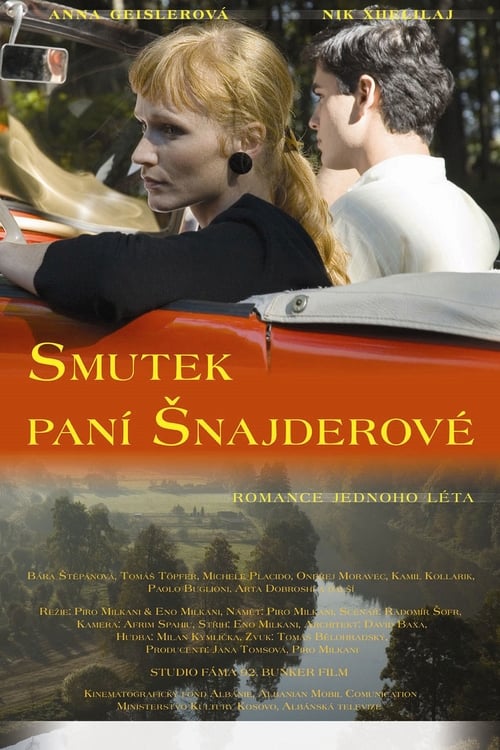
It is 1961 and an Albanian student (Nik Xhelilaj) of the Academy of Performing Arts in Prague, together with a group of Czech students, is shooting his graduate movie on a motorcycle factory, in the small market-town of Český Šternberk, in then Czechoslovakia. Coming from a country that is completely isolated from the rest of Europe, he is fascinated by the lifestyle, society and "erotic exuberance" of the Czech golden youth, yet feeling strong links with his family in his homeland. He falls in love with a married woman (Anna Geislerová), the wife of a police superintendent (Paolo Buglioni) and is insecure about his future.
1962
1965

1983
1988
1969
1996
1987

1977
No reviews yet. Be the first to share your thoughts on this movie!
Use the rating form above to leave a star rating and optional review.