
Boogie Man: The Lee Atwater Story
2008
No user ratings available yet
Diversity score: 6.4 out of 10
2015
TV-PGDirector
Callie T. Wiser
Runtime
60 minutes
Average Rating
No ratings yetSynopsis
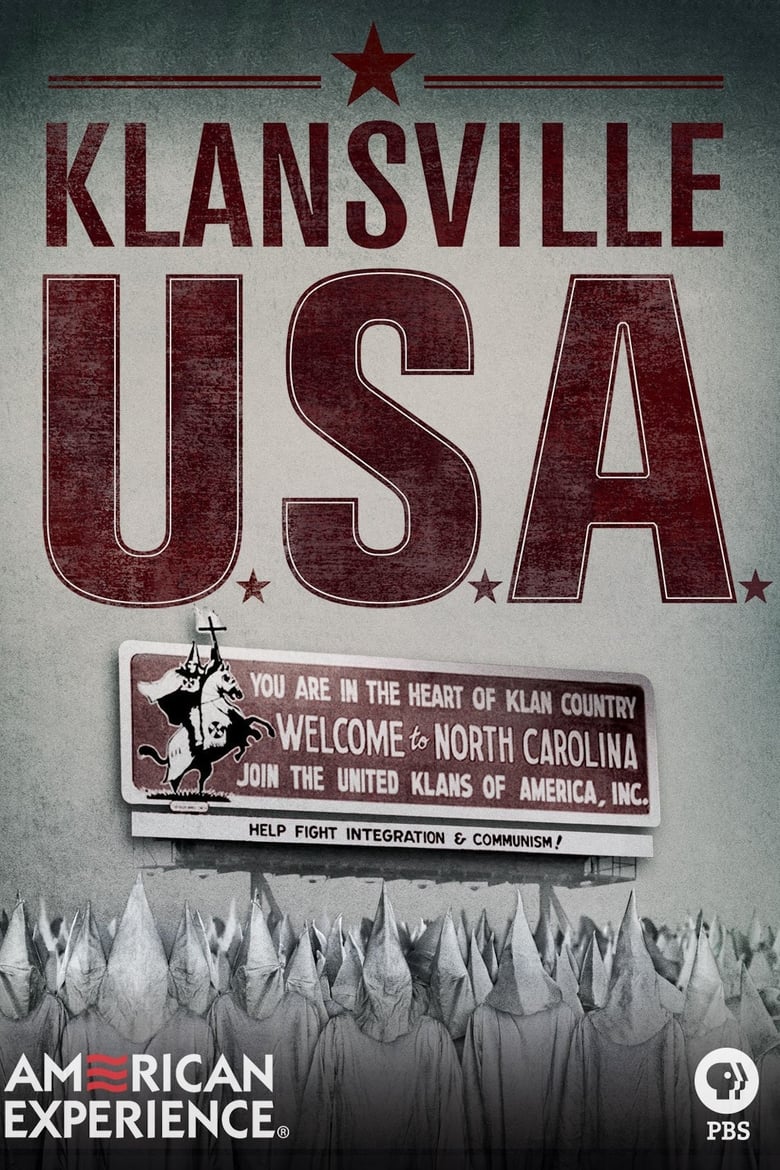
Investigates the reasons North Carolina, long seen as the most progressive state in the South, became home to the largest Klan organization in the country, with more members than all the other Southern states combined, during the 1960s.
Overall Score
Good
Category Breakdown
LGBTQ+ Representation
The documentary focuses on 1960s racial politics and Klan structures. There is no evidence regarding the inclusion or depiction of LGBTQ+ identities.
Gender Representation
The narrative centers on racial organization and political history. While it likely examines patriarchal structures within extremist groups, specific female character arcs are not confirmed.
Racial & Ethnic Diversity
The film investigates racial hegemony and the impact of white supremacy. It prioritizes the study of racial dynamics and the experiences of people of color navigating oppressive structures.
Religious & Cultural Diversity
The work critiques traditional Southern social structures and institutions. It engages in historical revisionism by deconstructing the regional identity of a supposedly progressive state.
Disability Representation
There is no information available regarding the depiction of neurodivergence or physical disabilities within this historical context.
Strengths
Areas for Improvement
AI Analysis
Klansville U.S.A. is a historical investigation into the systemic presence of the Ku Klux Klan in North Carolina during the 1960s. The film functions as a critique of institutionalized prejudice, challenging the myth of the South as a progressive region by exposing the scale of white supremacist organizations. The documentary's strength lies in its focus on racial dynamics and the dismantling of historical hierarchies. By centering the narrative on the struggle against racial oppression, it provides a deep look at how systemic exclusion functioned within regional politics. However, the film's narrow historical focus limits its scope regarding other identities. While it addresses systemic power, it lacks specific evidence regarding gendered character arcs or the representation of LGBTQ+ and disabled individuals.
2008
1968
2014
1964
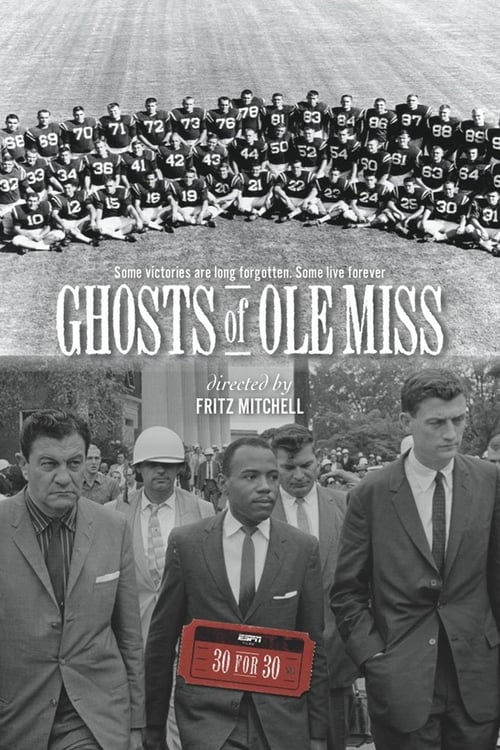
2012
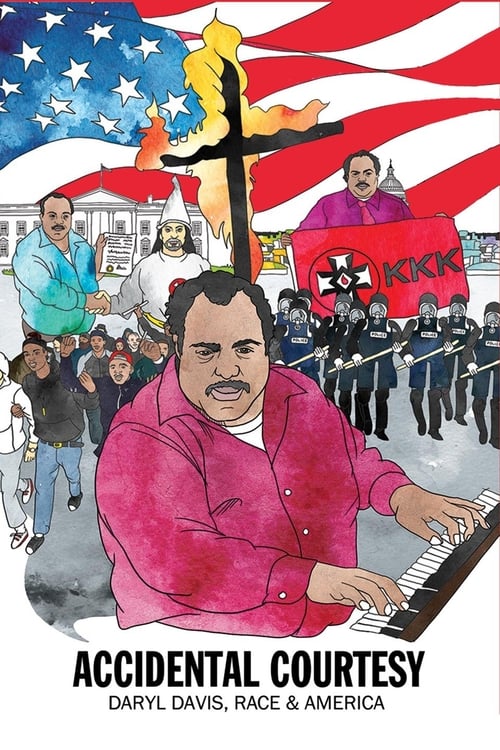
2016
2021

2013
1969
2016
1971
2012
No reviews yet. Be the first to share your thoughts on this movie!
Use the rating form above to leave a star rating and optional review.