
40 Years a Prisoner
2020
No user ratings available yet
Representation score: 6.0 out of 10
Representation Score
Limited
2013
Not RatedDirector
Jason Osder
Runtime
95 minutes
Average Rating
No ratings yetNew Showbiz Analysis
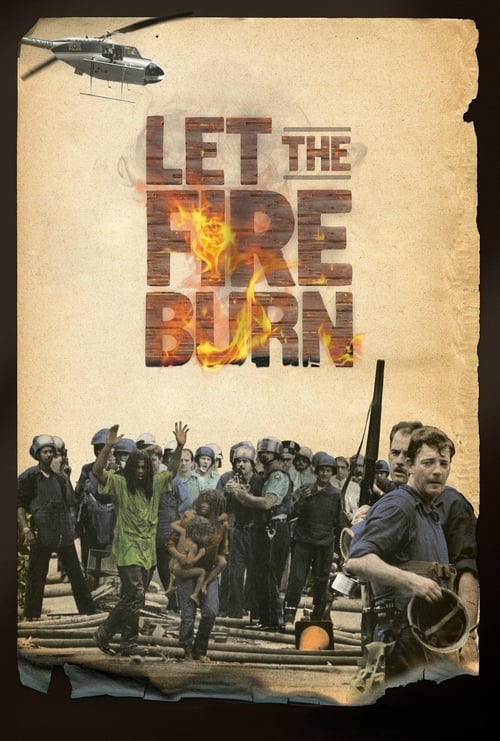
Let the Fire Burn is a powerful historical examination that centers the political ability to act of Black individuals. By focusing on the MOVE organization, the film challenges standard institutional narratives and offers a platform for voices often overlooked in mainstream accounts of urban conflict. The documentary excels in its critique of systemic power and its refusal to portray the state as a benevolent actor. It successfully shifts the focus from state-centric accounts to the lived realities of underrepresented political movements. However, the film does not represent or address LGBTQ+ identities, gender-based power dynamics, or disability issues.
Category Breakdown
The film does not include any LGBTQ+ characters or narratives. It focuses solely on the political and racial tensions surrounding the 1985 Philadelphia conflict.
The documentary maintains a traditional observational approach. It includes various voices but does not emphasize gender-based power dynamics or challenge traditional hierarchies.
The film highlights the ability to act of Black protagonists and MOVE members. It counters Anglo-centric historical records by prioritizing the lived experiences and political motivations of a Black radical organization.
The narrative examines the breakdown of trust between a community and Western institutions. It depicts state actions as a source of systemic trauma rather than a stabilizing force.
There is no significant focus on visible or invisible disabilities within the central narrative components of this documentary.
Present on Screen
Limited or Absent
Official Synopsis
Jason Osder delivers an account of the incidents leading up to and during the 1985 standoff between the extremist African-American organization MOVE and Philadelphia authorities. The dramatic clash would claim eleven lives and devastate an entire community.
2020
2012

2017

2017
2017
2015

2021
2002
No reviews yet. Be the first to share your thoughts on this movie!
Use the rating form above to leave a star rating and optional review.