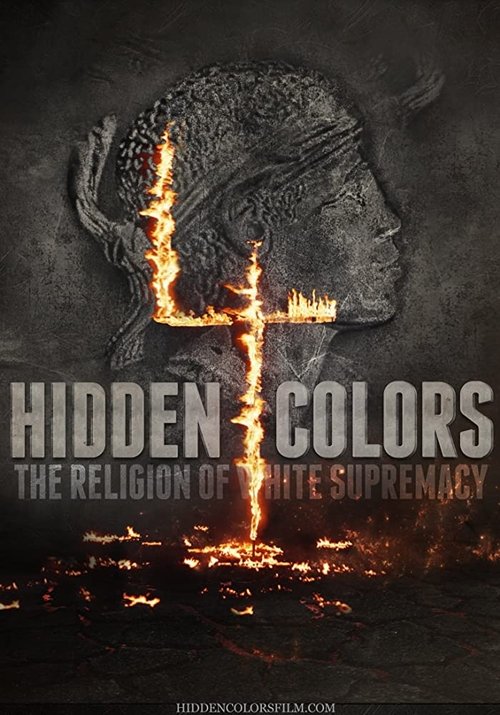
Hidden Colors 4: The Religion of White Supremacy
2016
No user ratings available yet
Representation score: 4.5 out of 10
Representation Score
Fair
2014
Director
Tariq Nasheed
Runtime
144 minutes
Average Rating
No ratings yetNew Showbiz Analysis
Tariq Nasheed’s documentary serves as a deliberate disruption of conventional historical perspectives. By centering on the institutionalization of prejudice, the film moves beyond passive inclusion to provide an active, identity-driven analysis of power dynamics. The film excels in its commitment to racial and cultural discourse. It successfully reframes historical narratives by prioritizing underrepresented perspectives and deconstructing the systemic structures of Western social orders. While the film is highly specialized in its sociological focus, it lacks representation for LGBTQ+ and disability identities. Its impact is concentrated on the intersection of race, history, and systemic oppression.
Category Breakdown
The documentary focuses on sociological studies of race and racism. There is no evidence of LGBTQ+ narratives or specific identity-based character arcs included in the film.
The film benefits from the director's role as a female filmmaker in a male-dominated genre. Her intellectual authority provides a nuanced perspective on leadership and sociological inquiry.
This work centers the lived experiences and historical realities of non-Anglo-Saxon populations. It prioritizes the control of people of color to define their own historical context and disrupt Western-centric monopolies.
The narrative critiques traditional Western institutions by examining the systemic rules of racism. It uses these themes to challenge established social hierarchies and the official historical record.
There is no specific evidence indicating the inclusion of subjects or characters addressing physical or neurodivergent disabilities within this documentary.
Present on Screen
Limited or Absent
Official Synopsis
Filmmaker Tariq Nasheed explores the topics of race, racism, and history within the United States.
2016

2009
2022
2012
2018
2017
1994

2024
No reviews yet. Be the first to share your thoughts on this movie!
Use the rating form above to leave a star rating and optional review.