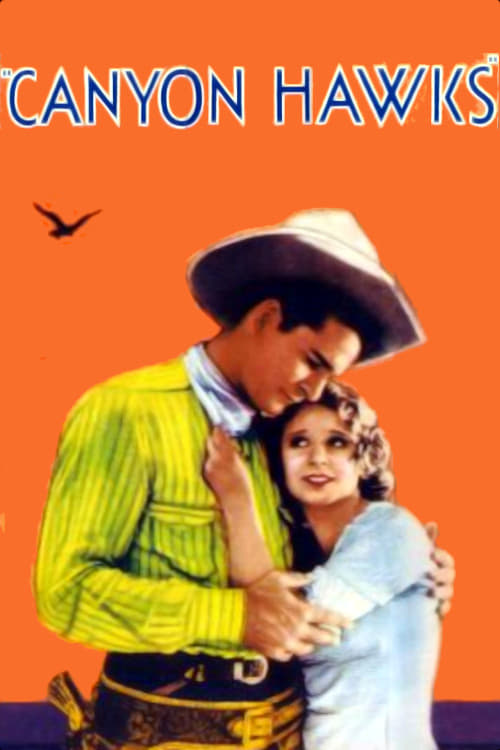
Canyon Hawks
1930
No user ratings available yet
Representation score: 1.8 out of 10
Representation Score
Minimal
1931
PassedDirector
D. Ross Lederman
Runtime
61 minutes
Average Rating
No ratings yetNew Showbiz Analysis
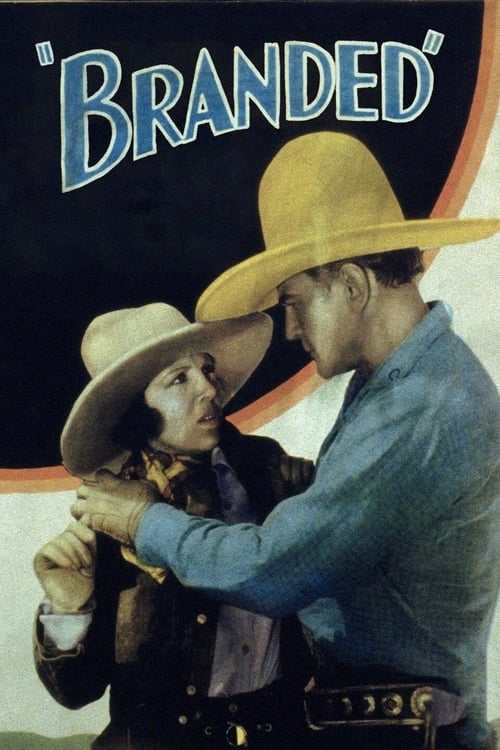
Branded is a standard genre piece that reinforces the social and narrative hierarchies of the early 1930s. The film relies on established studio formulas, prioritizing commercial genre conventions over any attempt to disrupt traditional clichés. The narrative structure is heavily centered on male-driven plots and conventional gender dynamics. Culturally, the film presents a homogeneous landscape, lacking racial diversity and focusing on the preservation of traditional Western institutions like property rights and social standing.
Category Breakdown
The film does not include any LGBTQ+ characters or stories. It follows the assumption that everyone is straight or cisgender, which is typical of early sound-era cinema.
The male protagonist drives the plot through his decisions about property. The female neighbor serves as a catalyst for the story rather than being an independent driver.
The production reflects the homogeneous casting practices of 1931. There is no indication of non-white actors or characters with diverse backgrounds.
The story operates within traditional Western values, focusing on property ownership and individual justice. It reinforces existing social orders rather than challenging them.
There is no documented evidence regarding the portrayal of physical or neurodivergent disabilities in this production.
Present on Screen
Limited or Absent
Official Synopsis
A cowboy looking to sell an inherited ranch changes his mind after a female neighbour arrives on the scene.
1930
1939
1935
1940
1926
1928
1931
1941
No reviews yet. Be the first to share your thoughts on this movie!
Use the rating form above to leave a star rating and optional review.