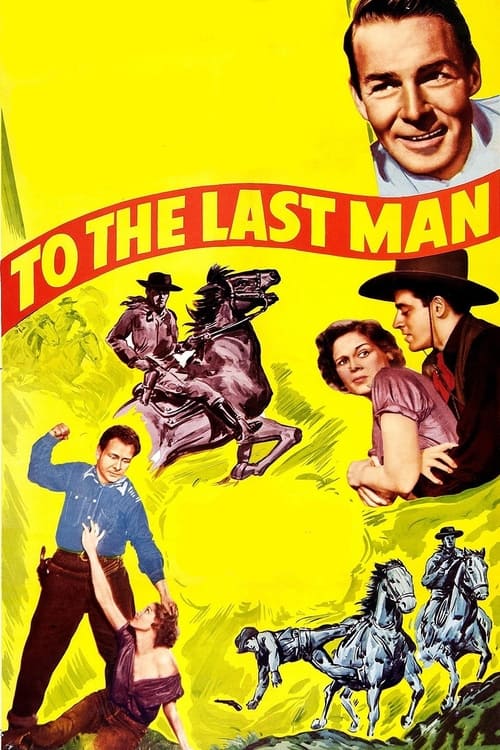
To the Last Man
1933
No user ratings available yet
Diversity score: 2.6 out of 10

1932
NRDirector
D. Ross Lederman
Runtime
64 minutes
Average Rating
No ratings yetSynopsis
Rancher Tim Clark borrows money from Bob Russell, who then rustles Clark's cattle so he will be unable to repay the money. Thus Russell is able to cheat Clark out of his ranch. Clark becomes a prospector for silver and ultimately comes to settle accounts with Russell and crooked deputy Bendix.
Overall Score
Minimal
Category Breakdown
LGBTQ+ Representation
The film follows a conventional Western romance structure. There is no evidence of non-cisnormative identities or same-sex intimacy, adhering to the heteronormative constraints of early 1930s cinema.
Gender Representation
Narrative agency is concentrated in male figures like Tim Clark and Bob Russell. The plot reinforces traditional masculine hierarchies through themes of physical confrontation and property ownership.
Racial & Ethnic Diversity
The story focuses on conflicts between white ranchers and settlers. It reflects the era's tendency toward Anglo-centric storytelling and the exclusion of non-white perspectives in frontier narratives.
Religious & Cultural Diversity
The narrative emphasizes traditional Western values like individual property rights and debt. It reinforces the importance of land ownership through a lens of personal justice.
Disability Representation
There is no discernible mention of characters with visible or invisible disabilities. The focus remains on physical capability and ruggedness typical of the B-Western genre.
Strengths
Areas for Improvement
AI Analysis
Two-Fisted Law is a quintessential 1932 B-Western that functions as a straightforward morality play. The film relies heavily on traditional genre tropes, focusing on a male protagonist's struggle against economic hardship and corruption. The narrative reinforces established social hierarchies rather than challenging them. It centers on masculine agency, land ownership, and Anglo-centric frontier conflicts, offering little room for intersectional or diverse perspectives. Ultimately, the film serves as a product of its era, adhering to the systemic cinematic norms of early sound-era studio productions.
1933

1937
1930
1956
1926
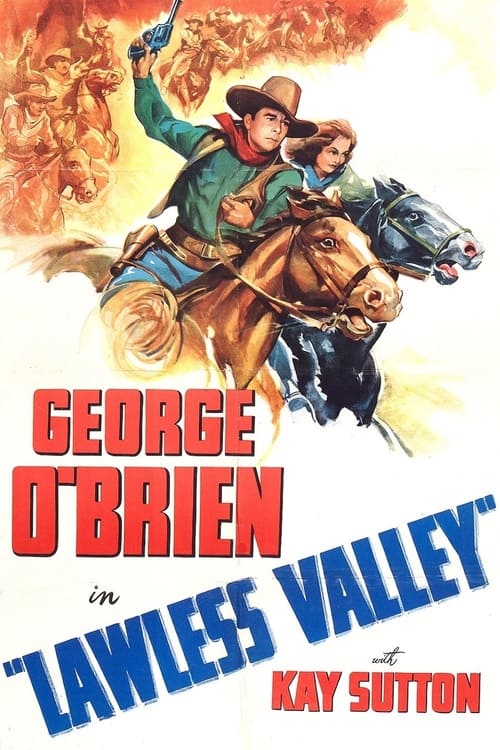
1938
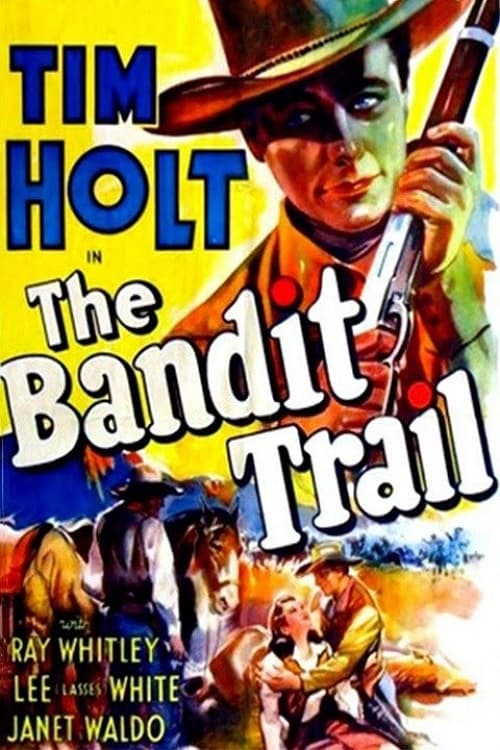
1941

1938
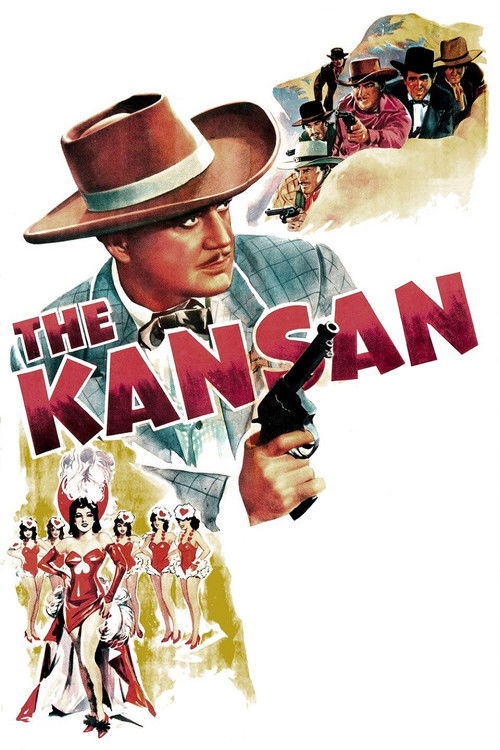
1943
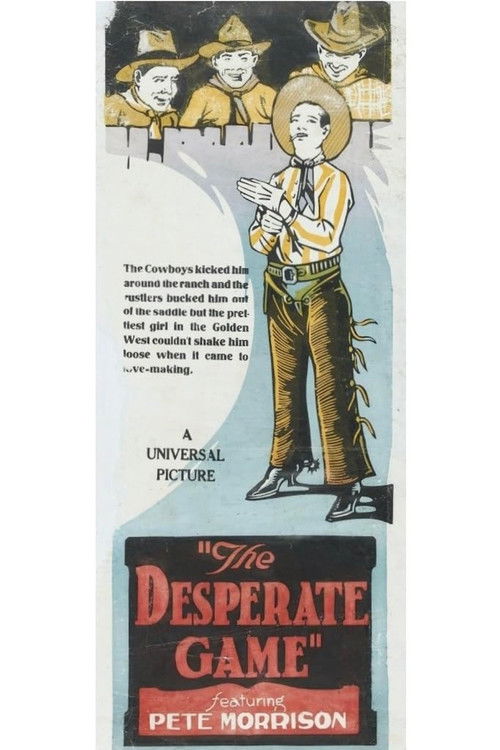
1926
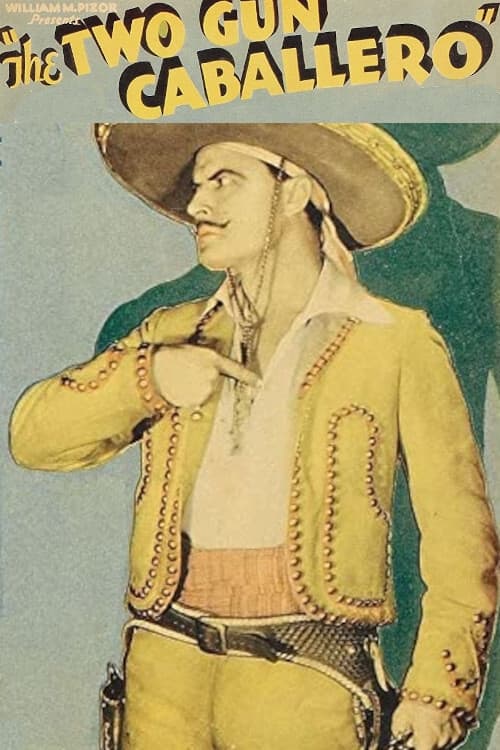
1931

1924
No reviews yet. Be the first to share your thoughts on this movie!
Use the rating form above to leave a star rating and optional review.