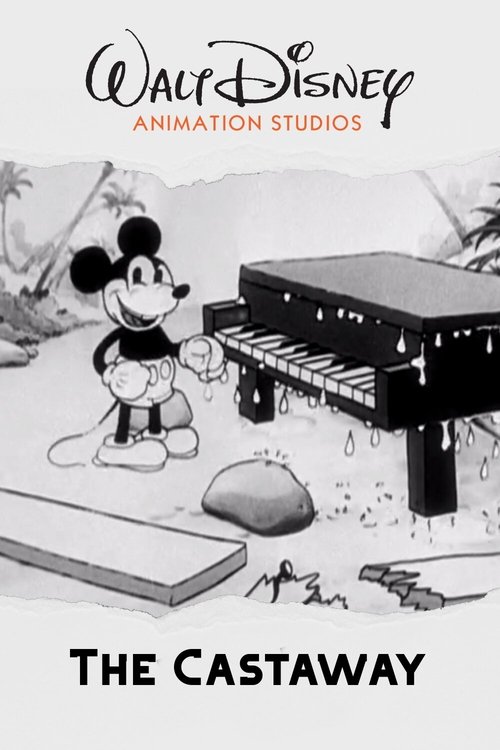
The Castaway
1931
No user ratings available yet
Diversity score: 2.3 out of 10
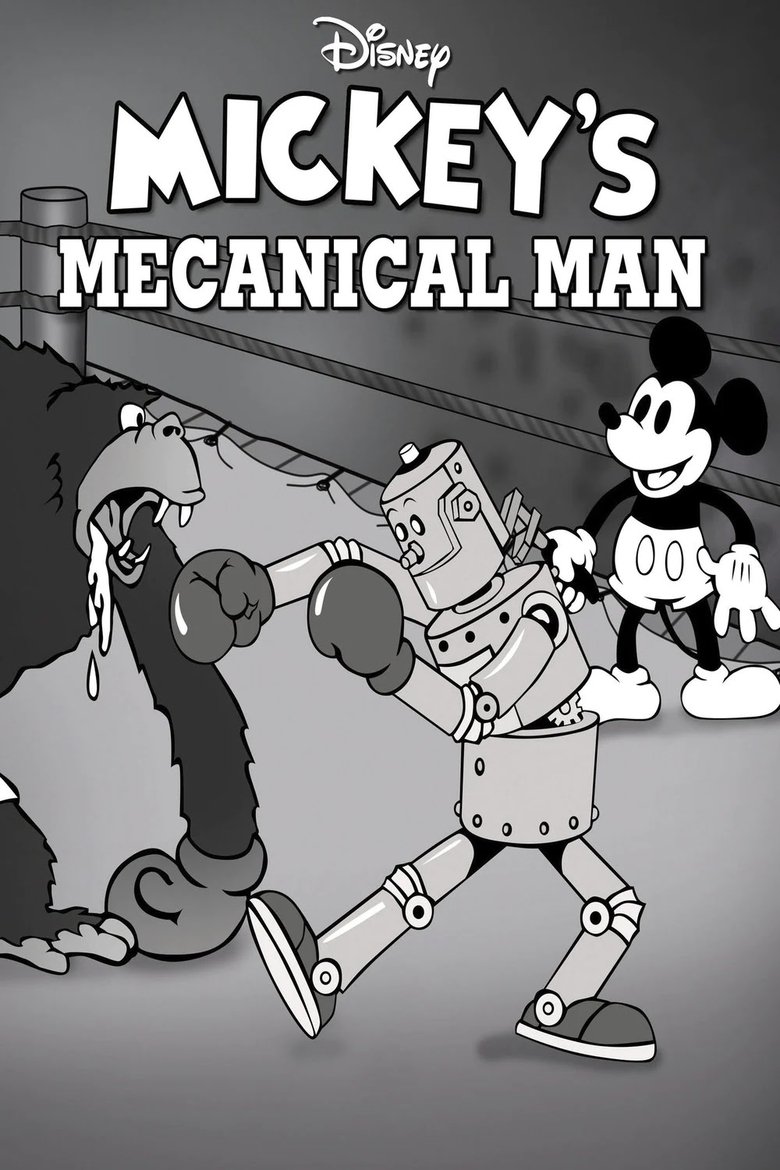
1933
NRDirector
Wilfred Jackson
Runtime
7 minutes
Average Rating
No ratings yetSynopsis
Mickey has built a robot to compete in the boxing ring against the giant gorilla, the Kongo Killer. Whenever it hears Minnie's car horn, it goes crazy and starts punching any picture of Killer that it sees, even if it's on a brick wall, thus hurting itself. Mickey manages to barely patch his robot together to take on Killer, but after some early success, it gets pummeled by the ape. Minnie fetches the car horn, which brings it back, and it trounces Killer, then flies apart.
Overall Score
Minimal
Category Breakdown
LGBTQ+ Representation
The film contains no visible LGBTQ+ characters or explorations of queer intimacy. The narrative focuses entirely on the physical conflict between the protagonist and the antagonist.
Gender Representation
Minnie Mouse serves as a peripheral motivator through her car horn rather than an active agent. The story centers on Mickey’s masculine roles of invention and combat.
Racial & Ethnic Diversity
The use of anthropomorphic animals avoids racialized casting. However, the homogeneous cast reflects the era's standard production norms without subverting traditional character tropes.
Religious & Cultural Diversity
The setting utilizes a standard early 20th-century industrial framework. It presents comedic technical malfunctions rather than offering a critique of systemic structures or Western institutions.
Disability Representation
The robot's erratic behavior is framed as slapstick comedy rather than a nuanced portrayal of disability. Mechanical failure serves as a plot device rather than a character study.
Strengths
Areas for Improvement
AI Analysis
Mickey's Mechanical Man is a product of its 1930s historical context, prioritizing slapstick physical comedy over intersectional depth. The narrative relies on traditional tropes that reinforce existing social and gendered hierarchies. While the use of anthropomorphic characters avoids direct racialized casting, the film lacks diverse archetypes. The character dynamics are limited, with Minnie Mouse relegated to a secondary role that triggers the robot's behavior. Ultimately, the short functions as a standard comedic piece. It lacks the intentionality required to challenge or represent complex identities, focusing instead on the 'man vs. machine' conflict.
1931
1933
1933
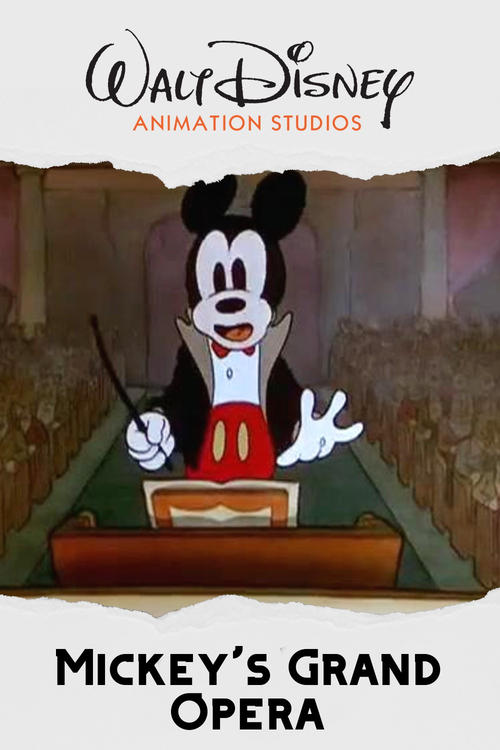
1936
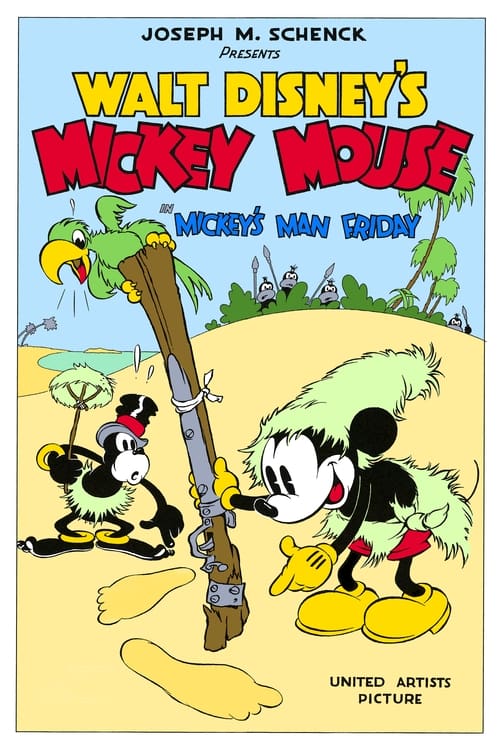
1935

1929
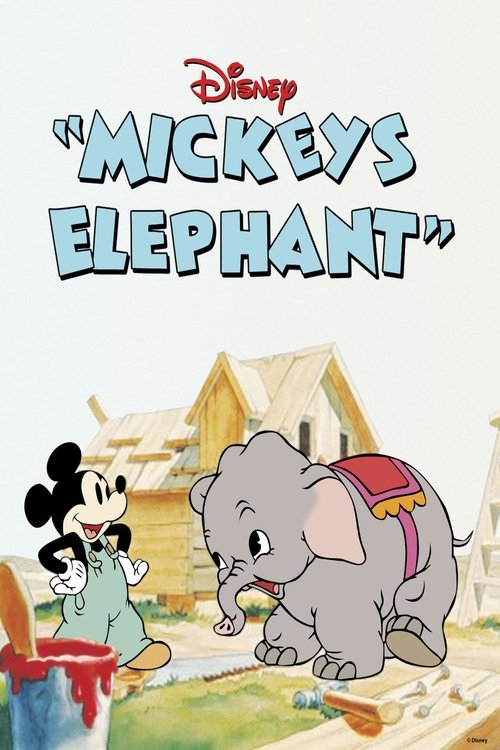
1936
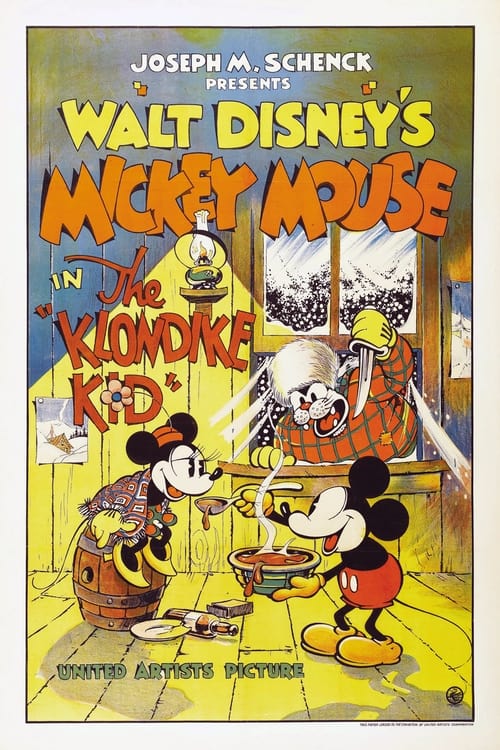
1932
1952
1935
1943
1933
No reviews yet. Be the first to share your thoughts on this movie!
Use the rating form above to leave a star rating and optional review.