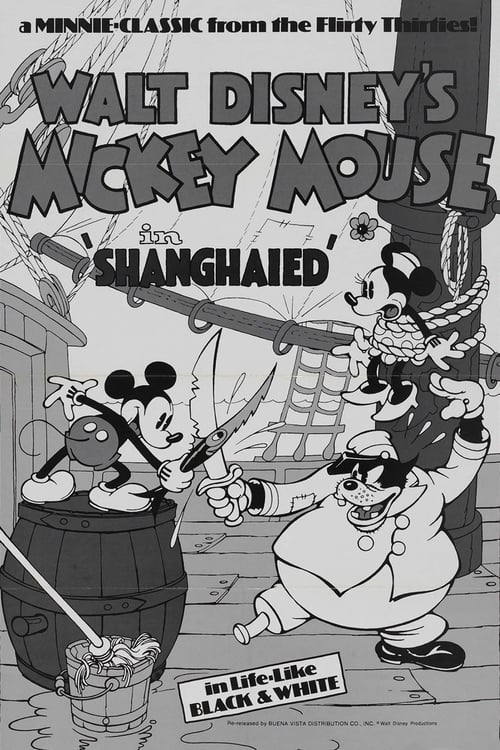
Shanghaied
1934
No user ratings available yet
Diversity score: 1.4 out of 10
1933
NRDirector
Burt Gillett
Runtime
8 minutes
Average Rating
No ratings yetSynopsis
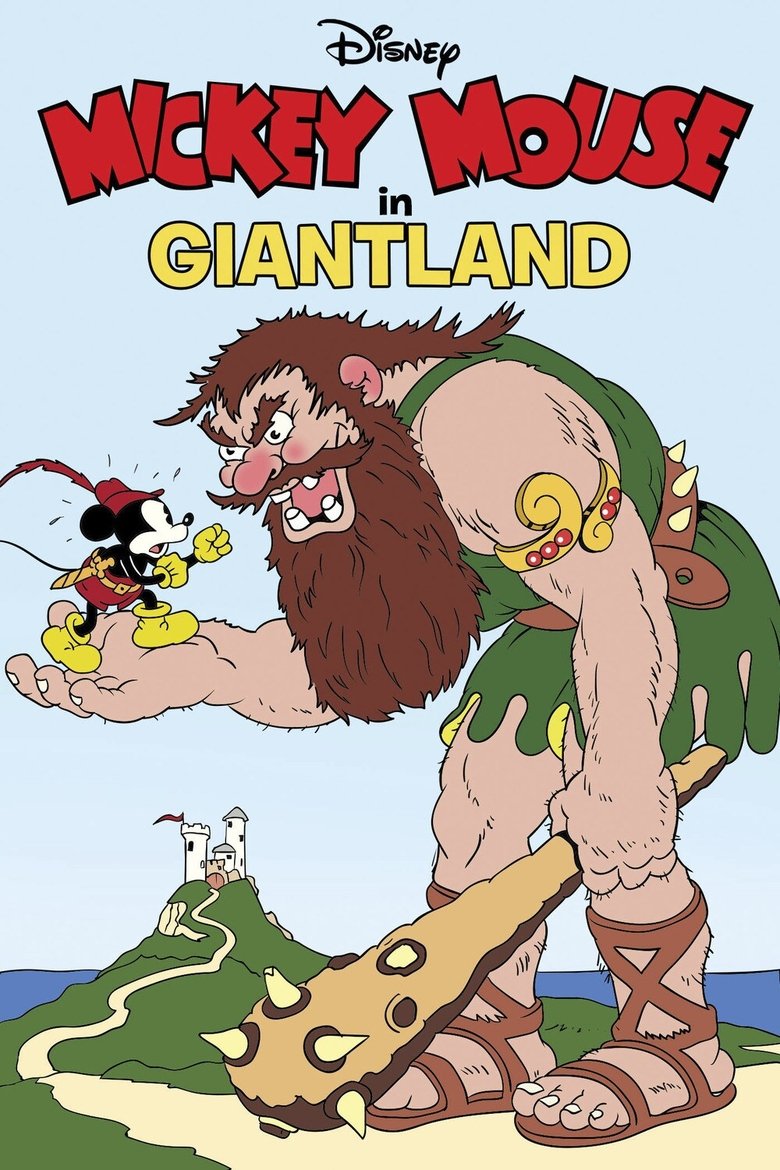
Mickey's orphans ask for a story; Mickey casts himself as Jack in Jack and the Beanstalk. He starts with the climbing of the beanstalk; after evading the giant a few times, he ends up inside a cheese sandwich, and then in the giant's mouth, where he ultimately grabs onto a pipe and gets pulled out by the giant. In the ensuing chase, Mickey launches a pepper bomb to slow the giant down, then outruns him coming down the beanstalk and sets the stalk on fire.
Overall Score
Minimal
Category Breakdown
LGBTQ+ Representation
The film follows a traditional fairy tale structure centered on a singular protagonist. There are no depictions of non-cisnormative identities or same-sex intimacy.
Gender Representation
The story focuses on a male protagonist engaging in a physical struggle for survival. It lacks female agency, reinforcing masculine archetypes of the era.
Racial & Ethnic Diversity
The narrative utilizes anthropomorphic characters within a classic folklore setting. There is no evidence of race-bent casting or a diverse, non-Anglo-Saxon cast.
Religious & Cultural Diversity
The plot relies on a Western folk tale emphasizing individual triumph. It presents a straightforward, traditional good-versus-evil dynamic without systemic critique.
Disability Representation
The film does not feature characters with visible or invisible disabilities. Conflict is driven entirely by physical agility and slapstick comedy.
Strengths
Areas for Improvement
AI Analysis
Giantland is a product of the early 1930s, prioritizing technical animation innovation and slapstick comedy over social complexity. The narrative adheres strictly to the era's established storytelling hierarchies and traditional archetypes. The film lacks intersectional depth, focusing instead on a singular hero's struggle against an externalized threat. This results in a homogeneous world that does not engage with marginalized identities or diverse social perspectives. Ultimately, the work functions as a straightforward adventure, reinforcing conventional Western folklore tropes rather than subverting or expanding upon them.
1934
1932
1933

1931

1933
1932
1933
1936
1930
1930
1930
1939
No reviews yet. Be the first to share your thoughts on this movie!
Use the rating form above to leave a star rating and optional review.