Mickey's Kangaroo
1935
No user ratings available yet
Representation score: 2.5 out of 10
Representation Score
Minimal
1936
NRDirector
Hamilton Luske, David Hand
Runtime
8 minutes
Average Rating
No ratings yetNew Showbiz Analysis
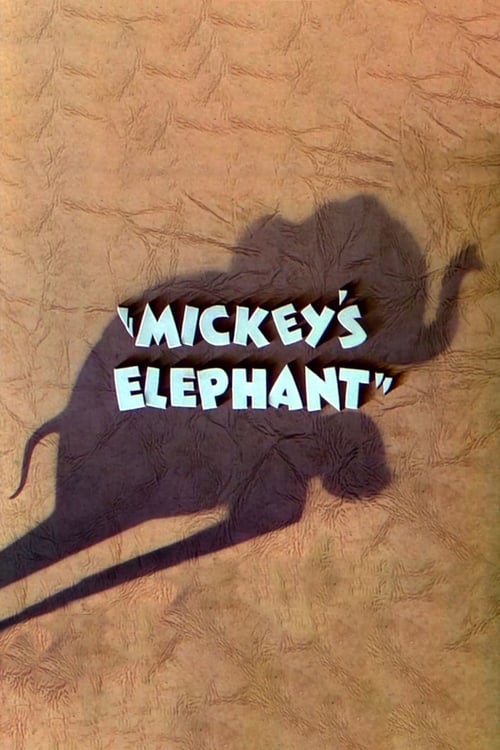
Mickey's Elephant is a classic example of mid-1930s slapstick animation that emphasizes physical humor over social commentary. The plot revolves around Pluto's jealousy towards his new playmate, Bobo the elephant, creating a straightforward, character-driven conflict. Since the characters are anthropomorphic animals, the film sidesteps human social complexities. This absence of human characters leads to a culturally and socially neutral narrative, focusing on universal entertainment without political undertones. Ultimately, the film serves as a singular character study of playfulness and impulse, avoiding engagement with specific social identities or diverse human experiences.
Category Breakdown
The film doesn't include any LGBTQ+ characters or stories that question the assumption that everyone is straight. Instead, it focuses on the interactions between animal characters using traditional comedy setups.
The story centers on Pluto and a baby elephant, avoiding typical gender roles and power dynamics. It doesn't offer diverse gender representations or challenge social hierarchies.
The characters are anthropomorphic animals, so there's no depiction of human diversity or racial mixing. The story doesn't disrupt Anglo-centric norms.
The themes follow a traditional storyline focused on jealousy and self-control. The narrative doesn't challenge Western cultural or religious norms.
There are no characters with visible or invisible disabilities. The story doesn't address neurodivergence or physical impairments.
Present on Screen
Limited or Absent
Official Synopsis
A friend shipped Mickey a baby elephant named Bobo as a playmate for Pluto. Pluto's first introduction is to Bobo's trunk, through a fence. He's not thrilled, and marches away. The playful Bobo grabs Pluto's tail and follows. Pluto's devil self tells him he's being replaced, and tells him to attack with red pepper.
1935

1929
1934
1951
1933
1947
1943
1937
No reviews yet. Be the first to share your thoughts on this movie!
Use the rating form above to leave a star rating and optional review.