Film
1967
No user ratings available yet
Representation score: 5.2 out of 10
Representation Score
Fair
1969
Director
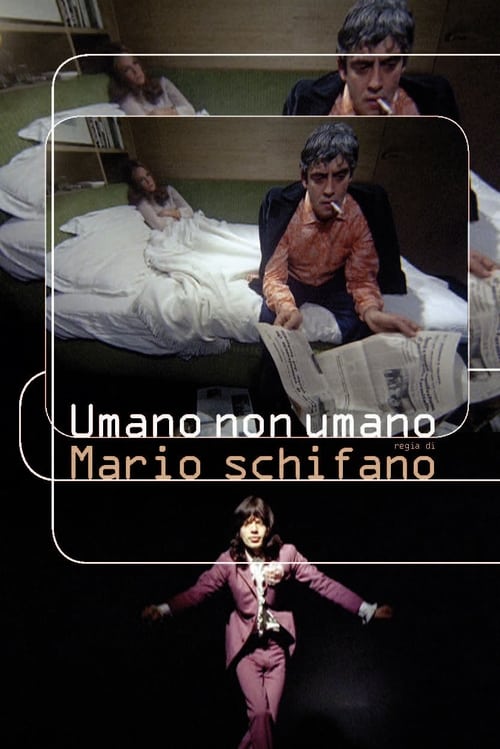
Mario Schifano
Runtime
95 minutes
Average Rating
No ratings yetNew Showbiz Analysis
Mario Schifano’s documentary captures a fluid, non-linear intersection of artists and poets. While the film lacks explicit character arcs, its avant-garde framework provides a space for social liberation and the subversion of traditional hierarchies. The work is limited by the Eurocentric demographic realities of 1969 Italy. However, it succeeds in moving away from rigid social roles, instead focusing on a dreamlike, subjective experience of human identity. Ultimately, the film functions as a critique of institutional order, favoring artistic merit and postmodern fluidity over conventional narrative clichés.
Category Breakdown
The film's dreamlike setting for poets and artists aligns with the 1960s avant-garde movement, which served as a sanctuary for non-traditional expressions. Its lack of rigid structure allows for a fluidity that challenges traditional storytelling.
By focusing on the meeting of creators, the documentary potentially disrupts traditional gender hierarchies. In these avant-garde circles, intellectual and artistic merit often took precedence over patriarchal roles.
The cast likely reflects the Eurocentric demographic of the late 1960s Italian art scene. The work focuses on a universalist concept of the 'human' rather than specific ethnic identifiers.
The film prioritizes secular, artistic expression over religious or institutional frameworks. It critiques traditional Western institutions of order by favoring a fluid, postmodern understanding of reality through performance.
There is no evidence available to evaluate the portrayal of physical or neurodivergent ability to act within this work.
Present on Screen
Limited or Absent
Official Synopsis
Artists and poets meet in a dreamlike space between walks and performances.
1967
1968
1992
1969
2011
1986
1985
2022
No reviews yet. Be the first to share your thoughts on this movie!
Use the rating form above to leave a star rating and optional review.