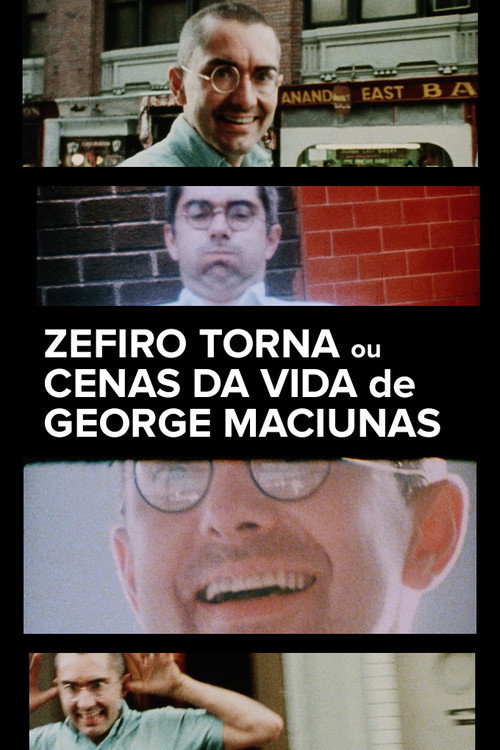
Zefiro Torna or Scenes from the Life of George Maciunas (Fluxus)
1992
No user ratings available yet
Representation score: 8.6 out of 10

Representation Score
Excellent
1968
Not RatedDirector
Jonas Mekas
Runtime
180 minutes
Average Rating
No ratings yetNew Showbiz Analysis
Jonas Mekas’s documentary serves as a vital rejection of mainstream cinematic hierarchies. By documenting the unscripted lives of the avant-garde, the film replaces rigid narrative authority with a communal, horizontal social structure. The work excels at presenting women as creative equals and capturing the fluid social textures of the 1960s New York underground. It avoids the era's typical clichés by focusing on lived experience rather than scripted archetypes. However, the film is limited by the specific demographic boundaries of the artistic milieu it captures. The lack of a multi-ethnic majority and the absence of explicit systemic critiques prevent a higher diversity rating.
Category Breakdown
The film captures the natural presence of LGBTQ individuals within 1960s New York's bohemian underground. While it doesn't directly critique heteronormativity, it offers a genuine look at non-traditional social circles.
Women are portrayed as intellectual and creative peers rather than domestic figures. By avoiding the traditional hero's journey, the film presents a horizontal social structure that challenges patriarchal norms.
The film reflects the specific demographic realities of the 1960s New York art subculture. It avoids whitewashing through unvarnished observation, although the social circles lack a multi-ethnic majority.
The work emphasizes personal truth and communal morality over religious doctrine. It celebrates a decentralized, community-focused existence that rejects traditional Western narrative structures and capitalist pacing.
Disability is not used as a plot device or spectacle. The film's fragmented, sensory-heavy aesthetic reflects a non-standard way of perceiving the world, suggesting an acceptance of diverse cognitive experiences.
Present on Screen
Limited or Absent
Official Synopsis
Also known as Walden, Jonas Mekas’s first diary film is a six-reel chronicle of his life in 1960s New York, interweaving moments with family, friends, lovers, and artistic idols. Blending everyday encounters with portraits of the avant-garde art scene, it forms an epic, personal meditation on community, creativity, and the passage of time.
1992
1986
1978
1976
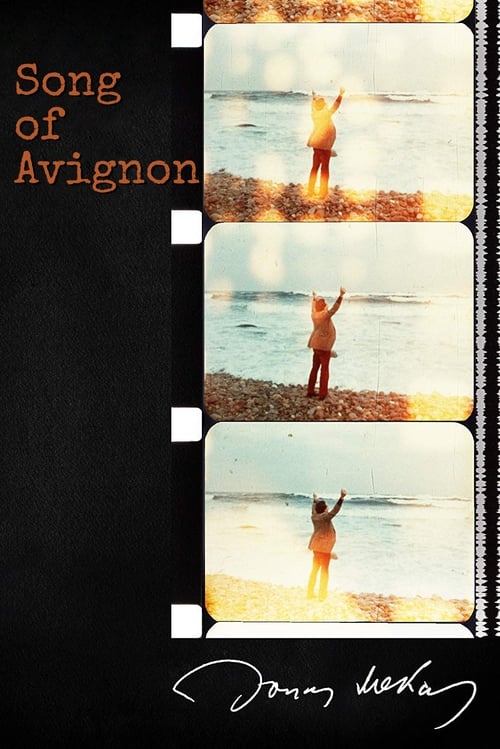
1998
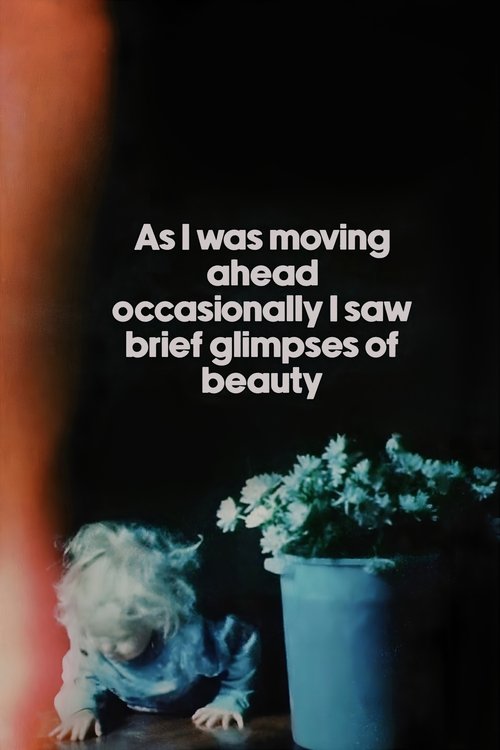
2000
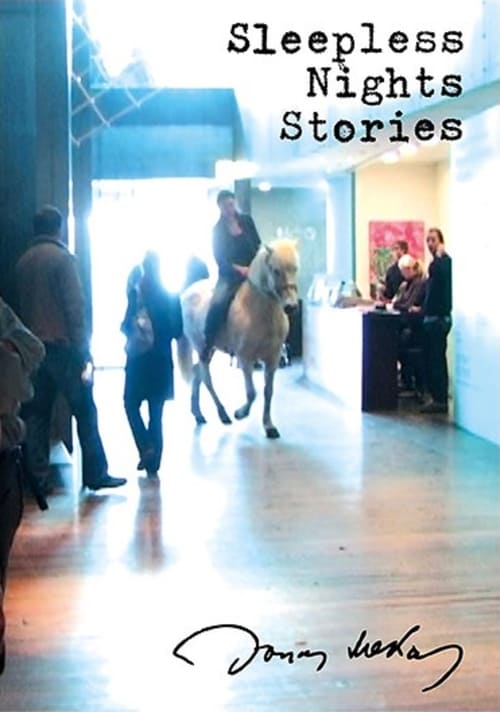
2011
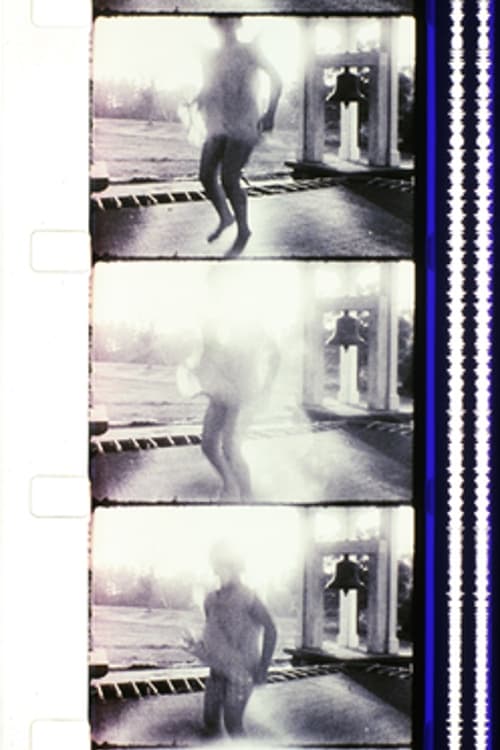
1966
No reviews yet. Be the first to share your thoughts on this movie!
Use the rating form above to leave a star rating and optional review.