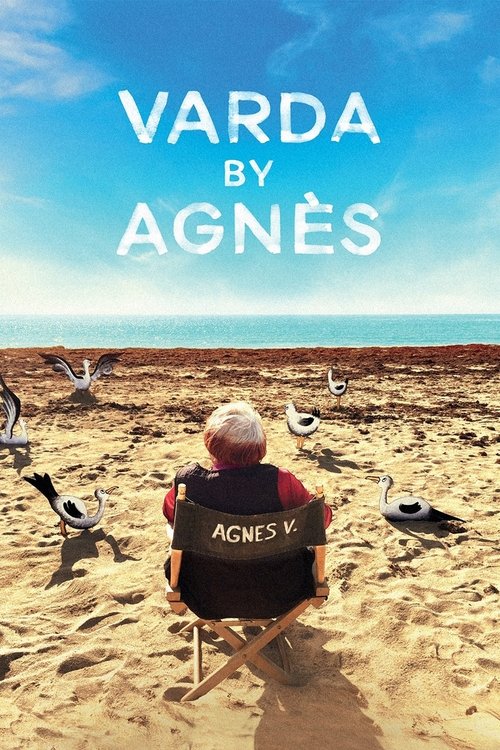
Varda by Agnès
2019
No user ratings available yet
Representation score: 6.6 out of 10
Representation Score
Good
2022
Director
Agnès Varda
Runtime
4 minutes
Average Rating
No ratings yetNew Showbiz Analysis
This archival documentary serves as a visual essay, blending the perspectives of two influential filmmakers. By combining Varda’s observational technique with Pasolini’s presence, the film creates a dialogue that challenges conventional historical documentation. The work stands out in its disruption of societal norms. It replaces typical narratives with a layered exploration of identity, using the dynamic energy of 1967 New York to question mid-century standards. However, the film’s observational nature works both ways. While it captures a diverse urban environment, it lacks the depth needed to give significant character development to the individuals being filmed.
Category Breakdown
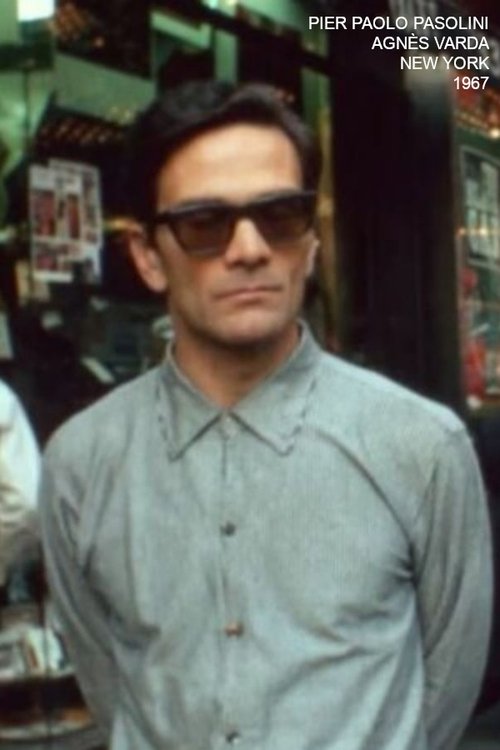
The film focuses on Pier Paolo Pasolini, a figure closely associated with queer identity and unconventional desires. His presence challenges traditional assumptions about sexuality and relationships.
Agnès Varda’s perspective shapes the film, positioning her as the primary creator of the experience. Her active role subverts the typically male-dominated viewpoint of 1960s street photography.
The footage captures the authentic, unscripted ethnic diversity of 1967 New York City. While it showcases a variety of people, the observational approach limits the depth of individual stories for people of color.
The documentary emphasizes sensory and avant-garde experiences over traditional teaching methods. Pasolini’s presence brings an intellectual rebellion against middle-class morality and established norms.
The film does not provide any specific depiction of characters with visible or invisible disabilities.
Present on Screen
Limited or Absent
Official Synopsis
Holding her 16mm camera, an optical prosthesis for a 20th-century stroller, Agnès Varda filmed 42nd Street in NYC in 1967, filming crowds of passers-by to the beat of the Doors. Recovered from the French director's boxes, with images of Varda, Pasolini and New York. Pasolini is shown walking in the Big Apple (where he went to present 'Hawks and Sparrows').
2019
1961

1986
2008
1974

1968
2020
1969
No reviews yet. Be the first to share your thoughts on this movie!
Use the rating form above to leave a star rating and optional review.