
Diaries, Notes, and Sketches
1968
No user ratings available yet
Representation score: 8.0 out of 10
Representation Score
Excellent
1992
Director
Jonas Mekas
Runtime
35 minutes
Average Rating
No ratings yetNew Showbiz Analysis
Jonas Mekas provides a vital document of cultural subversion through this survey of the Fluxus movement. The film's strength lies in its rejection of traditional cinematic and institutional hierarchies, favoring a transnational, multi-ethnic creative collective. While the documentary lacks explicit, identity-driven narratives common in modern cinema, it succeeds in deconstructing patriarchal and capitalist structures. It presents a globalized community that challenges Western-centric art histories. Ultimately, the film is a celebration of non-conformist social structures. It prioritizes subjective, communal experiences over the rigid authority of the traditional art establishment.
Category Breakdown
The film serves as a historical survey of the Fluxus movement rather than a character-driven narrative. While it captures diverse social circles, it lacks explicit, centralized stories focusing on LGBTQ+ intimacy or identity politics.
The documentary disrupts conventional hierarchies by centering women like Yoko Ono as essential architects of the avant-garde. It portrays these women as intellectual contributors rather than figures in traditional domestic roles.
The film documents a globalized, multi-ethnic coalition of creators, moving beyond Anglo-Saxon centricity. By featuring artists like Nam June Paik, it challenges the dominance of Western-centric art histories.
The work excels in its critique of traditional Western institutions and the commercialized art object. Its postmodern structure prioritizes communal, non-hierarchical living over capitalist or religious frameworks.
The archival footage provides insufficient evidence to make a definitive assessment of disability representation. The film focuses on intellectual and performative aspects rather than disability as a narrative driver.
Present on Screen
Limited or Absent
Official Synopsis
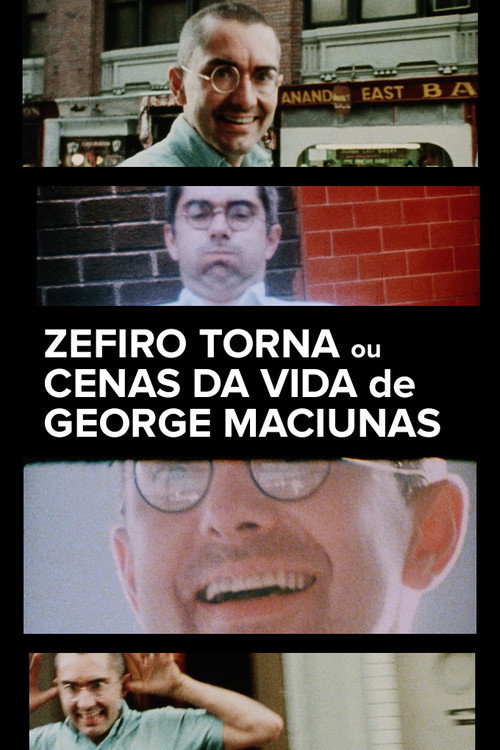
The life and work of Fluxus artist George Maciunas as seen in clips filmed between 1952 and 1978.
1968

2012
1986
2003

2000

1995
2016
1997
No reviews yet. Be the first to share your thoughts on this movie!
Use the rating form above to leave a star rating and optional review.