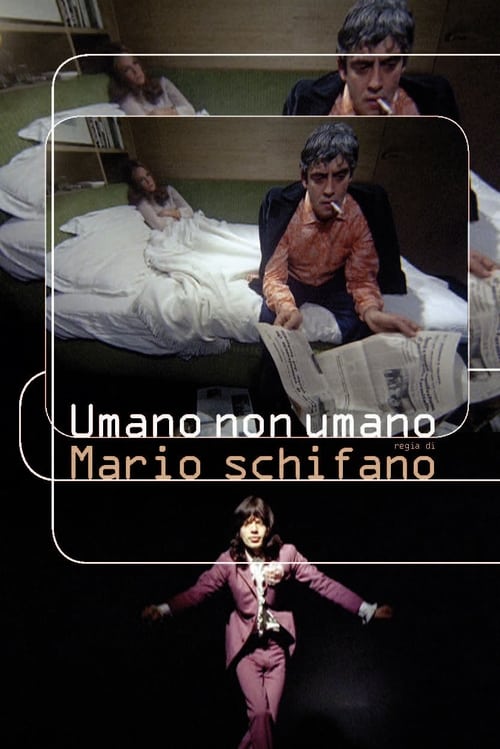
Umano Non Umano
1969
No user ratings available yet
Representation score: 5.4 out of 10
Representation Score
Fair
1969
Director
Serge Bard
Runtime
53 minutes
Average Rating
No ratings yetNew Showbiz Analysis
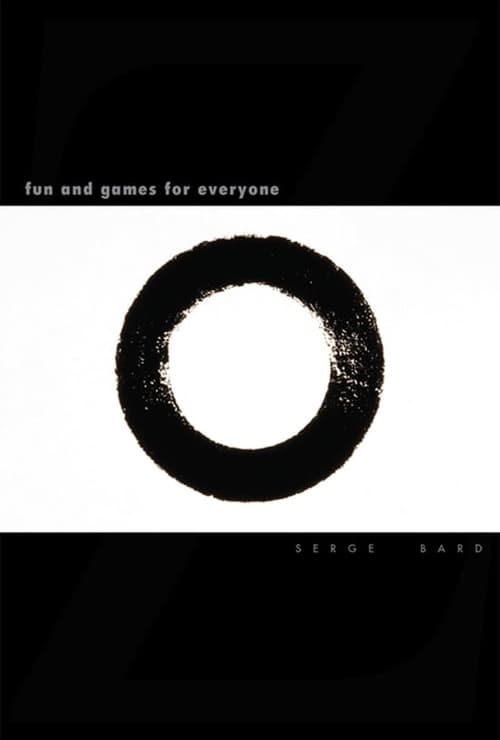
Fun and Games for Everyone functions as a visual study of social interaction rather than a structured narrative. Its strength lies in its ability to document cultural fluidity through a psychedelic, non-linear lens. By prioritizing improvisation over factual reporting, the film mirrors the shifting social landscapes of 1969. However, the experimental and solarized nature of the documentary makes it difficult to verify specific identity markers. The lack of clear character arcs means that representation is often felt through atmosphere rather than explicit depiction. Ultimately, the film succeeds as an anti-institutional piece that challenges the objective authority of the documentary genre, though it offers little concrete data on specific demographic representation.
Category Breakdown
The film's avant-garde setting suggests a space where diverse LGBTQ dynamics could thrive. However, specific depictions of queer identity are not clearly shown in the improvisational social scenes.
The improvisational format likely disrupts traditional social hierarchies among the gathered intellectuals. Without specific data on gender roles, the representation remains moderate and era-specific.
The presence of the Zanzibar group alongside European figures indicates a cross-cultural mix. This integration moves the film away from a purely Western-centric viewpoint.
The film rejects structured, pedagogical documentary styles in favor of aesthetic relativism. This approach aligns with the anti-institutional sentiments of the late 1960s avant-garde.
There is no evidence regarding the portrayal of disability. No characters or plot devices related to neurodivergence or physical disability are identified in the work.
Present on Screen
Limited or Absent
Official Synopsis
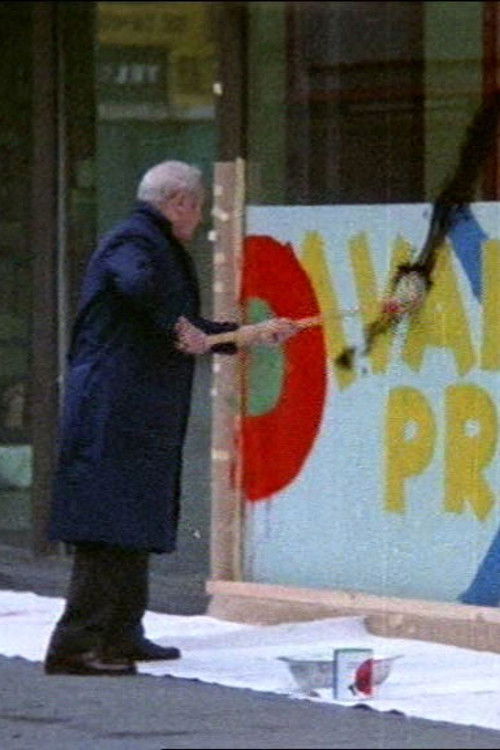
“FUN AND GAMES (FOR EVERYONE): a pitch black and milky white film shot during one of Olivier Mosset's exhibition openings. A psychedelic game of improvisation joins the Zanzibar group with Salvador Dalí, Barbet Schroeder and Jean Mascolo... the solarized image reminiscent of thick strokes of a paintbrush.” - Philippe Azoury
1969
1969
1965
1985
1968
1968
1992
1978
No reviews yet. Be the first to share your thoughts on this movie!
Use the rating form above to leave a star rating and optional review.