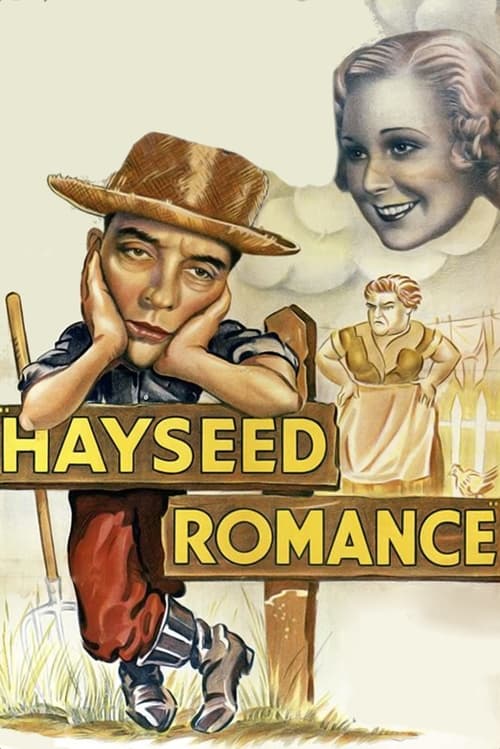
Hayseed Romance
1935
No user ratings available yet
Representation score: 1.4 out of 10
Representation Score
Minimal
1935
ApprovedDirector
Charles Lamont
Runtime
69 minutes
Average Rating
No ratings yetNew Showbiz Analysis
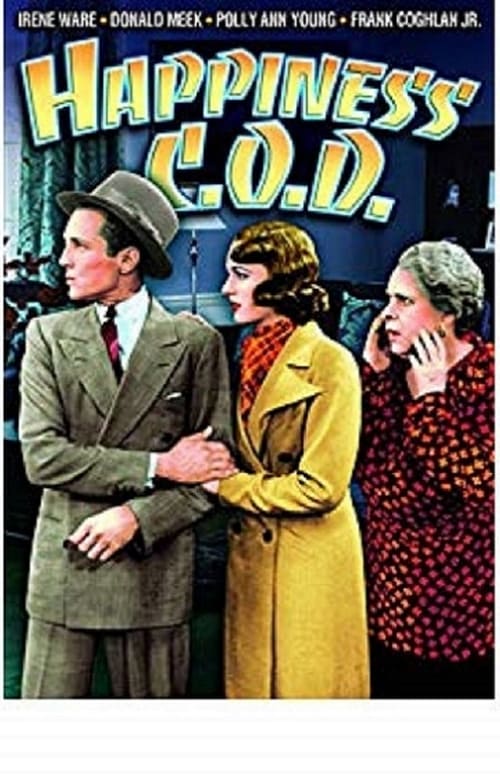
Happiness C.O.D. is a typical Depression-era domestic comedy that adheres to conventional genre formulas. The narrative centers on the economic hardships of the 1930s, particularly a young man's struggle to pay off a mortgage and support his family. The film emphasizes traditional gender roles and a male-centric perspective on economic stability. Its themes revolve around maintaining established social structures rather than challenging them. Overall, the film lacks depth in representing diverse identities and experiences. It seems to follow the homogeneous casting and narrative norms of its time, offering limited subversive storytelling.
Category Breakdown
The film does not include any characters with non-traditional gender identities or sexual orientations. The storyline emphasizes traditional family life and economic survival.
The plot revolves around a male protagonist dealing with financial difficulties. This setup reinforces traditional gender roles where the male figure is the main driver of economic stability.
The film does not feature a diverse cast. Considering its 1935 production date, it likely follows the homogeneous casting practices of the time.
The story examines the pressures of the Great Depression, focusing on the preservation of traditional Western institutions such as the nuclear family. It highlights the systemic challenges faced during that era.
There are no characters with visible or invisible disabilities mentioned in the film. The documentation does not indicate any representation of individuals with disabilities.
Present on Screen
Limited or Absent
Official Synopsis
A young man, hard-pressed to pay off his mortgage and support his family, decides that he'll get money any way he can--honestly or otherwise.
1935

1928

1935

1940

1929

1941
1935

1937
No reviews yet. Be the first to share your thoughts on this movie!
Use the rating form above to leave a star rating and optional review.