
The Battle of Stalingrad
1949
No user ratings available yet
Representation score: 3.5 out of 10

Representation Score
Limited
1943
Director
Vsevolod Pudovkin, Dmitriy Vasilev
Runtime
94 minutes
Average Rating
No ratings yetNew Showbiz Analysis
In the Name of the Motherland serves as a historical document of wartime mobilization rather than a study in diverse identities. It replaces the traditional Western 'lone hero' cliché with a narrative of distributed ability to act among a collective battalion. While the film lacks modern markers of LGBTQ+ or disability representation, its strength lies in its systemic approach to storytelling. It frames the struggle as a communal defense against an external force, prioritizing the group over the individual. However, the film's adherence to wartime propaganda limits its diversity. The emphasis on a singular national identity and traditional martial roles results in a narrow focus on collective survival at the expense of individual or ethnic nuance.
Category Breakdown
The film does not include any characters with non-binary or transgender identities. The 1943 setting emphasizes traditional roles and national unity.
The story focuses on a male-dominated military unit. Women play supporting roles but are not central to the plot.
The film highlights a unified 'Motherland' identity to defend against German forces. This focus on a cohesive national front likely downplays specific ethnic distinctions.
The film prioritizes communal survival and systemic resistance over individualist frameworks. It centers on the collective as the main driver of morality and action.
There are no characters with visible or invisible disabilities in the film. Wartime dramas of this era typically prioritize images of physical strength and combat readiness.
Present on Screen
Limited or Absent
Official Synopsis
The film deals with a Russian battalion under siege by the Germans during the Second World War.
1949

1938
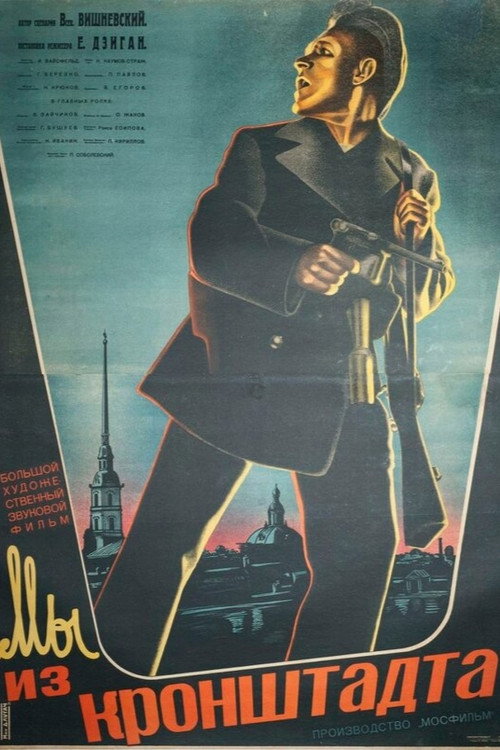
1936
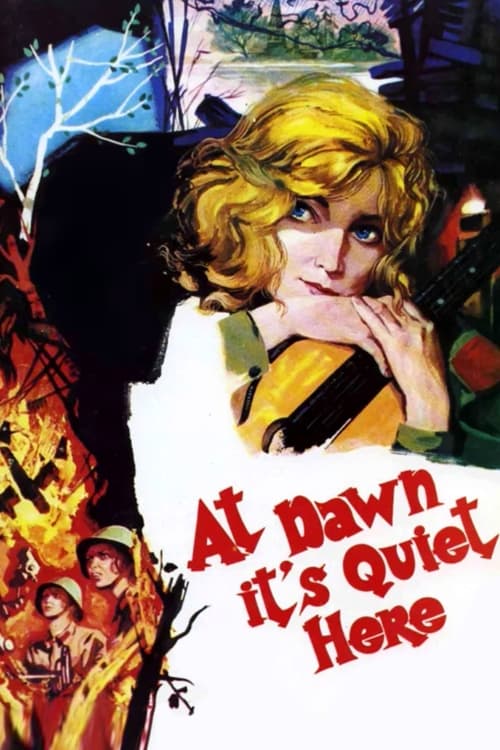
1972

2007
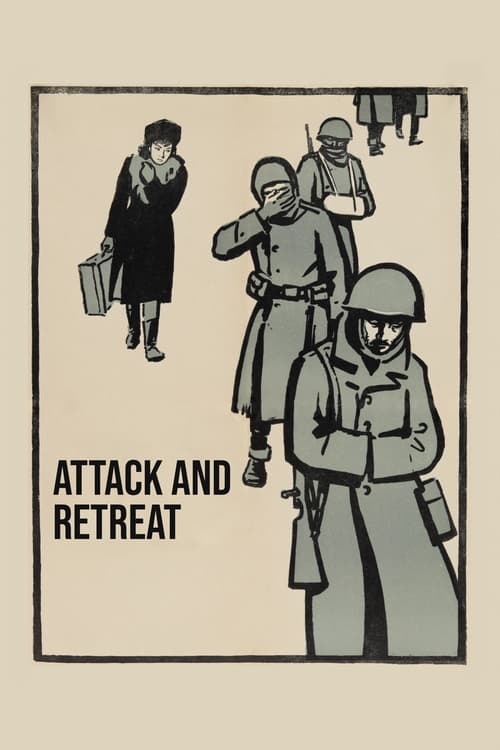
1964
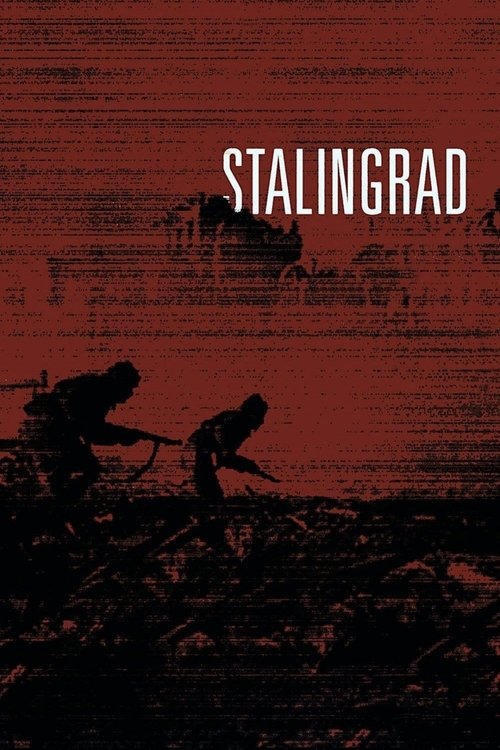
1993
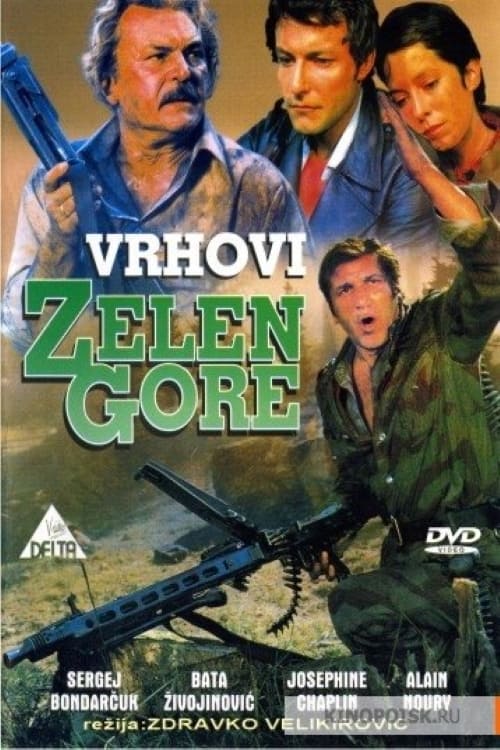
1976
No reviews yet. Be the first to share your thoughts on this movie!
Use the rating form above to leave a star rating and optional review.