Downfall
2004
No user ratings available yet
Representation score: 1.8 out of 10
Representation Score
Limited
1993
NRDirector
Joseph Vilsmaier
Runtime
134 minutes
Average Rating
No ratings yetNew Showbiz Analysis
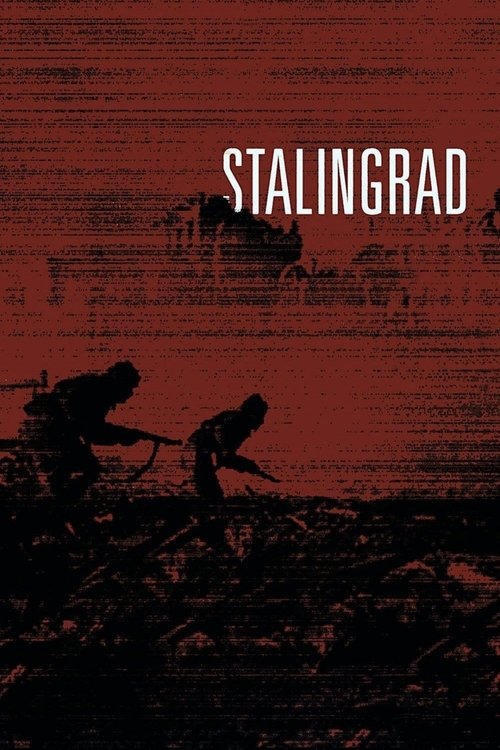
Stalingrad is a historically focused war drama that prioritizes realism over demographic diversity. The film centers on a homogenous group of German soldiers, resulting in limited representation of gender, racial, and LGBTQ+ identities. Despite this, the film offers a progressive perspective through its thematic content. By questioning the myth of the heroic soldier and criticizing the Nazi military command, it provides a powerful critique of authoritarian systems.
Category Breakdown
The film focuses on a hyper-masculine military environment without any representation of LGBTQ+ identities or queer narratives. It does not include any characters with non-traditional gender identities.
The film emphasizes a homogenous group of male soldiers, with very little focus on women. Female characters play minimal roles, if any.
The cast is overwhelmingly made up of actors representing the same ethnic background, focusing solely on the German military experience during World War II. There is no attempt to include diverse casting or explore multi-layered identities.
The film challenges the idea of the heroic soldier by portraying military command as corrupt and incompetent. It highlights the importance of individual survival over nationalistic ideals, subverting the typical portrayal of war heroes.
The film uses physical trauma and psychological breakdowns as plot devices to highlight the dehumanizing effects of war. However, these elements serve primarily as narrative tools rather than exploring disability as a lived experience.
Present on Screen
Limited or Absent
Official Synopsis
A German Platoon is explored through the brutal fighting of the Battle of Stalingrad. After half of their number is wiped out and they're placed under the command of a sadistic captain, the platoon lieutenant leads his men to desert. The platoon members attempt escape from the city, now surrounded by the Soviet Army.
2004
1959
2008

1937
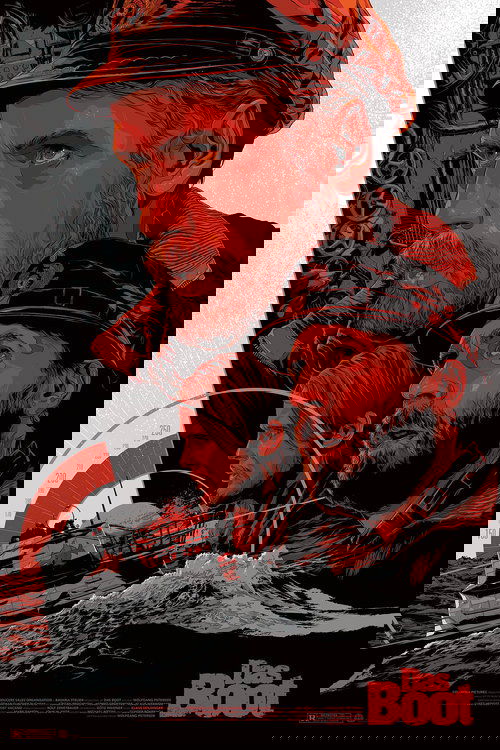
1981
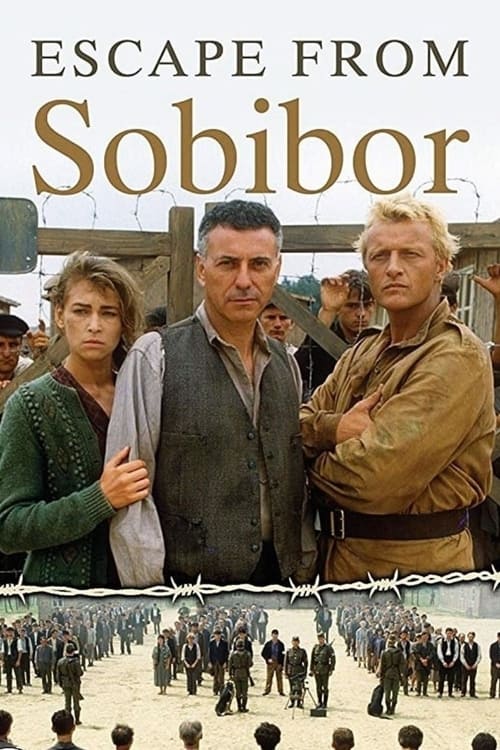
1987
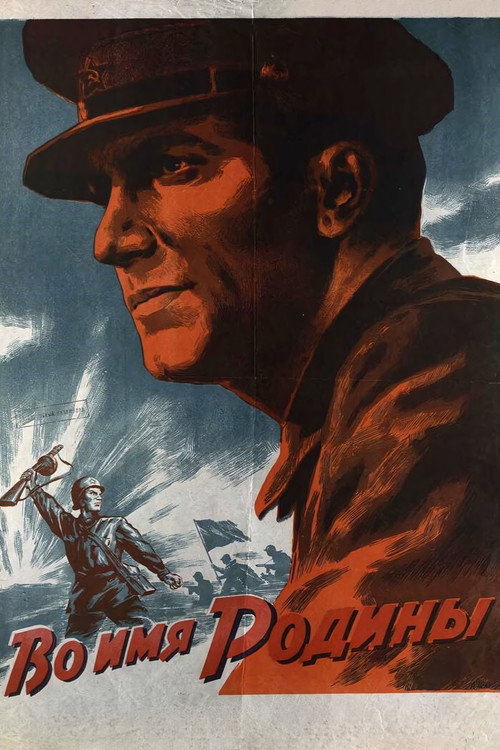
1943
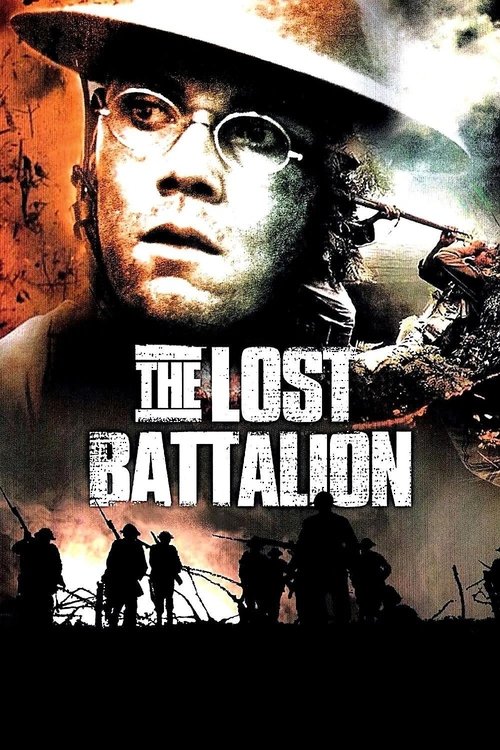
2001
No reviews yet. Be the first to share your thoughts on this movie!
Use the rating form above to leave a star rating and optional review.