
Warsaw 44
2014
No user ratings available yet
Representation score: 6.4 out of 10
Representation Score
Minimal
2013
Not RatedDirector
Paweł Chochlew
Runtime
118 minutes
Average Rating
No ratings yetNew Showbiz Analysis
The film serves as a traditional historical reconstruction that prioritizes national memory and classical heroism. It aims to preserve established historical truths rather than challenging social hierarchies or systemic power dynamics. Given the specific setting of a 1939 military event, the cast and social structures are intentionally limited. The film reinforces conventional gender roles and ethnic homogeneity to maintain historical accuracy. Ultimately, the work avoids progressive narrative experimentation, focusing instead on preserving national identity and celebrating resilience against external threats.
Category Breakdown
The film follows the social norms of 1939 and does not depict any non-straight identities or same-sex relationships among the soldiers.
The story centers on the male military experience, reinforcing traditional masculine traits of duty and competence while excluding female characters from significant roles.
The cast is made up of actors representing the specific Polish population of the time. Despite being historically accurate, the film lacks diverse representation.
The story emphasizes patriotism and national sovereignty, presenting the defense of the state as a clear moral duty through traditional narrative structures.
There are no prominent depictions of physical disabilities or neurodivergence. Characters are shown primarily through their military roles.
Present on Screen
Limited or Absent
Official Synopsis
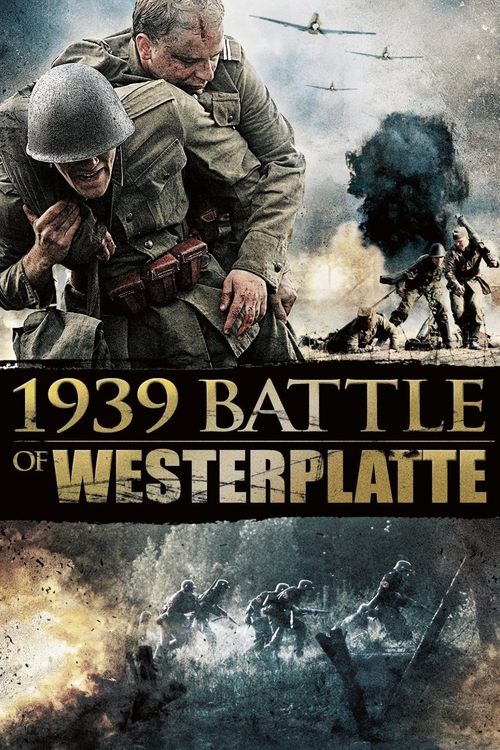
September 1st, 1939. German battleship Schleswig-Holstein marks the start of World War II by firing on the garrison stationed at the Westerplatte peninsula in Poland.
2014
1938
1979

2019
2024
2004

2007
2011
No reviews yet. Be the first to share your thoughts on this movie!
Use the rating form above to leave a star rating and optional review.