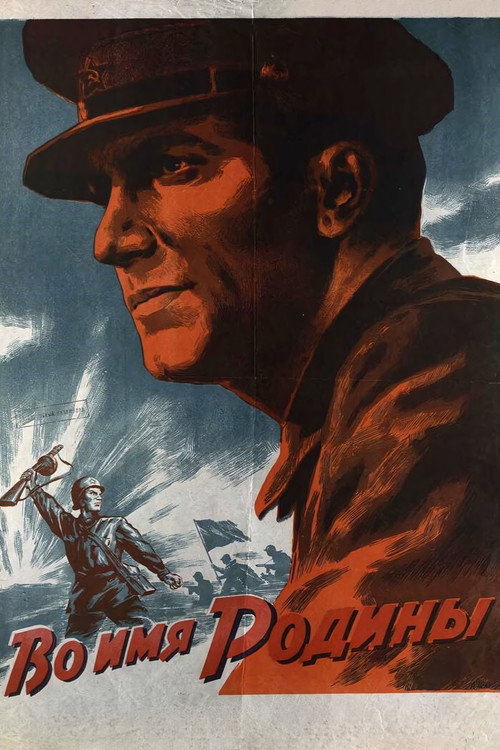
In the Name of the Motherland
1943
No user ratings available yet
Representation score: 2.8 out of 10
Representation Score
Fair
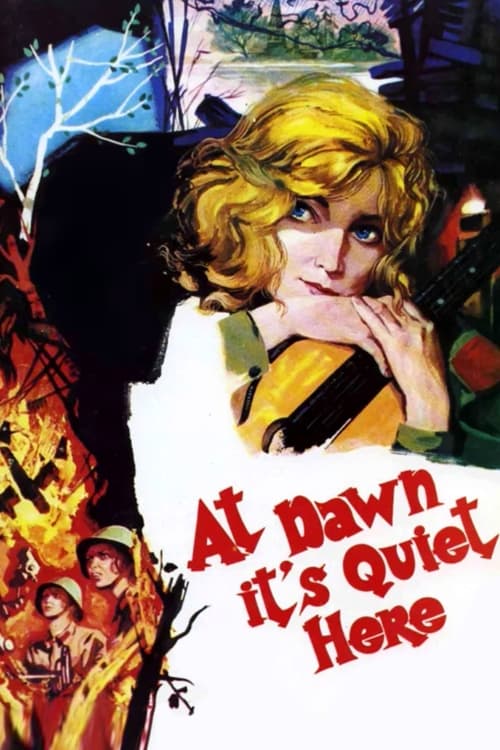
1972
PG-13Director
Stanislav Rostotsky
Runtime
188 minutes
Average Rating
No ratings yetNew Showbiz Analysis
The film stands out by shifting the focus from male-driven strategies to women's ability to drive the story and competence in high-stakes combat roles. This provides a sophisticated look at psychological depth and competence under pressure. However, the film remains limited by the era's demographic realities, offering little in the way of LGBTQ+ or racial diversity. The narrative primarily addresses the immediate, tragic realities of wartime survival and the collective human experience. Ultimately, the work succeeds as a lyrical character study. It replaces traditional patriotic triumphalism with a focus on the vulnerability of the human condition and the heavy cost of service.
Category Breakdown
The film centers on a female unit during wartime, emphasizing their survival and interpersonal bonds. It does not include any non-assuming gender matches what was assigned at birth identities or narratives that question the assumption that everyone is straight or cisgender.
The narrative breaks genre expectations by putting women in high-stakes combat roles such as machine gunners. It highlights the ability to act, intelligence, and physical endurance of female soldiers, rather than portraying them as passive victims.
The cast reflects the demographic realities of the Soviet Union during World War II. While ethnically homogeneous, the story blends characters from various class backgrounds.
The film frames heroism through shared sacrifice and the human cost of conflict, avoiding state glorification. It challenges individualistic narratives by focusing on the collective struggle and moral gravity of war.
The story vividly depicts the physical and psychological trauma of combat. It treats the characters' physical suffering with dignity rather than using it solely as a plot device.
Present on Screen
Limited or Absent
Official Synopsis
In a remote village in Karelia, Sergeant Vaskov commands an anti-aircraft unit that protects a rail depot. While his men are transferred to the front line, he is reprimanded for their unruly behavior. He retorts that he wants replacements that aren't drunks or womanizers. In response, he is assigned a unit made up entirely of young women, fresh from training.
1943
1959

1975

1938

2022
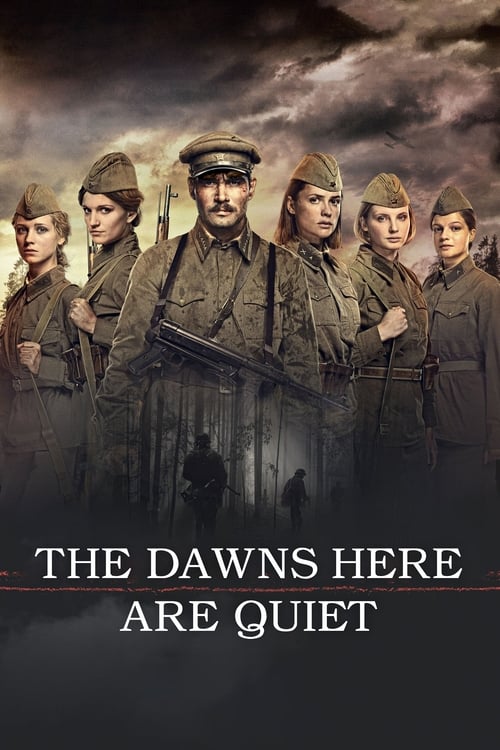
2015

1959

2012
No reviews yet. Be the first to share your thoughts on this movie!
Use the rating form above to leave a star rating and optional review.