The Master
1992
No user ratings available yet
Diversity score: 5.0 out of 10
1993
RDirector
Tsui Hark
Runtime
112 minutes
Average Rating
No ratings yetSynopsis
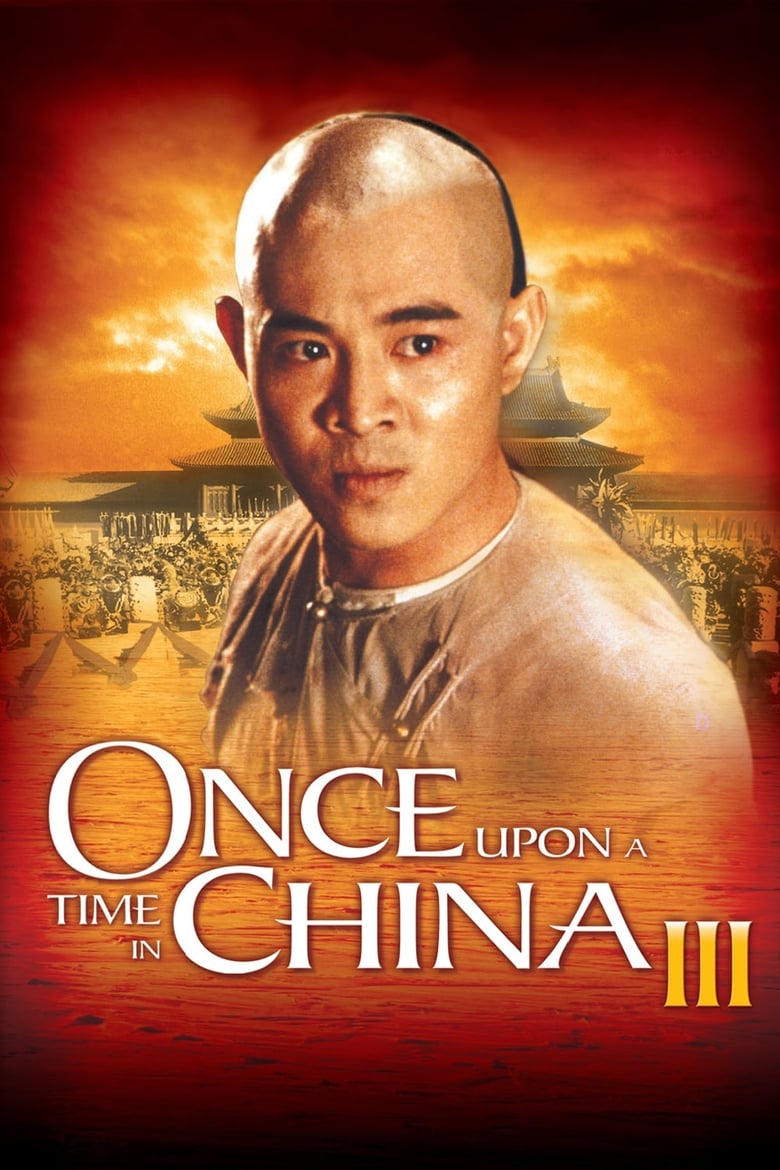
Master Wong and his disciples enroll in the 'Dancing Lion Competition' to stop an assassination plot and to battle an arrogant, deceitful opponent.
Overall Score
Fair
Category Breakdown
LGBTQ+ Representation
The film lacks LGBTQ+ characters or non-heteronormative romantic arcs. The social framework remains centered on traditional familial and social structures typical of the period setting.
Gender Representation
The narrative operates within a patriarchal framework centered on Wong Fei-hung's masculine authority. While capable female martial artists appear, they often function within roles supporting the male protagonist.
Racial & Ethnic Diversity
The cast is ethnically homogeneous, focusing on internal Chinese social stratification. Conflict is driven by the tension between indigenous values and encroaching Western colonial influence.
Religious & Cultural Diversity
The film excels in critiquing established institutions, portraying the Qing bureaucracy as corrupt. It also presents a clear critique of Western imperialism as a disruptive force.
Disability Representation
No significant portrayals of visible or invisible disabilities are present in the film.
Strengths
Areas for Improvement
AI Analysis
Tsui Hark delivers a sophisticated historical drama that uses the martial arts genre to explore systemic friction. The film's primary strength is its post-colonial subtext, which frames Western modernization as a threat to cultural integrity and challenges the inevitability of colonial influence. However, the film remains tethered to traditional social hierarchies. It lacks LGBTQ+ visibility and adheres to a patriarchal structure where female agency is often secondary to the central male authority. Ultimately, the work finds its progressive value through its critique of power. By portraying both the imperial bureaucracy and Western-aligned institutions as corrupt, the narrative shifts the moral center toward individual agency and community ethics.
1992
1992
1991
1994
2005

1984
1974

2016

2020
2000

1983
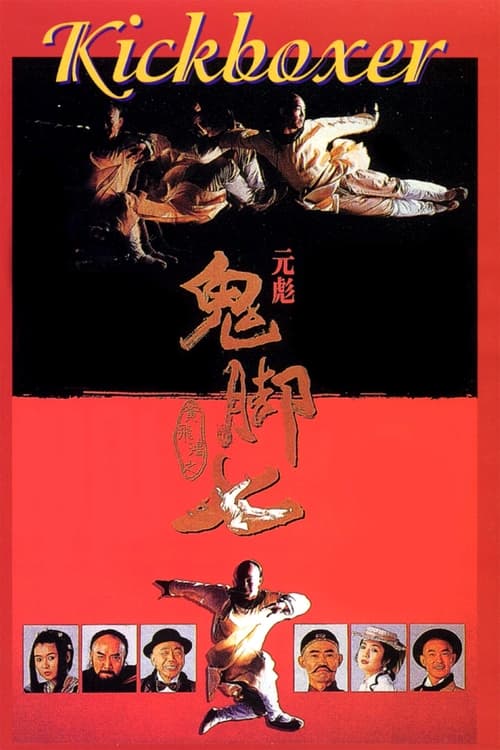
1993
No reviews yet. Be the first to share your thoughts on this movie!
Use the rating form above to leave a star rating and optional review.