
Drunken Master III
1994
No user ratings available yet
Representation score: 1.9 out of 10
Representation Score
Fair
1992
RDirector
Tsui Hark
Runtime
113 minutes
Average Rating
No ratings yetNew Showbiz Analysis
Tsui Hark’s direction elevates this film into a sophisticated critique of colonial power dynamics. By framing the struggle for cultural preservation as a heroic arc, the film challenges the 'civilizing mission' cliché of Western expansionism. The narrative's strength lies in its post-colonial structure, focusing on the ability to act of the colonized against foreign technological and military imposition. It successfully deconstructs imperialist hegemony through a lens of cultural reclamation. While the film excels in racial and cultural themes, it remains rooted in traditional social hierarchies. It lacks engagement with modern identity politics or queer narratives, focusing instead on historical and systemic struggles.
Category Breakdown
The film follows a traditional 19th-century historical framework and does not include any non-straight relationships or narratives that question the assumption that everyone is straight.
Female characters play significant roles in the action and avoid being passive observers. However, the film maintains traditional social structures that limit greater gender diversity.
The film focuses on the Chinese population reclaiming their ability to act against Western imperialism. It explores themes of cultural sovereignty and identity effectively.
The film critiques the intersection of foreign capitalism, militarism, and local corruption. It portrays colonialist powers as destabilizing forces.
There are no prominent depictions of visible or invisible disabilities that drive the narrative or serve as central character arcs.
Present on Screen
Limited or Absent
Official Synopsis
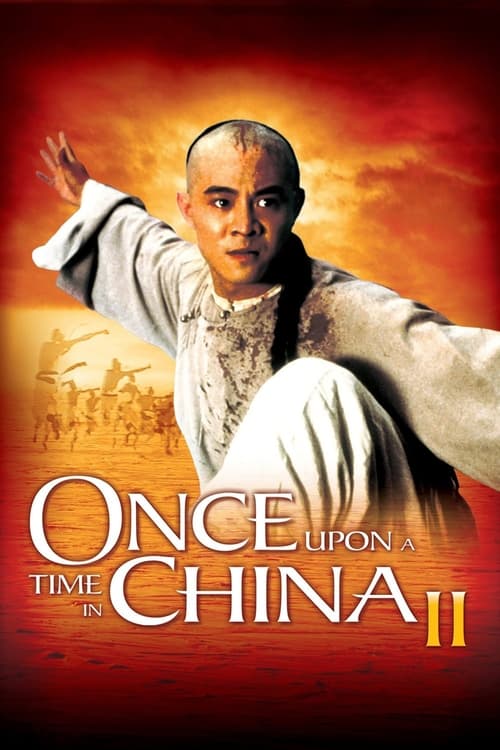
Wong Fei-Hung faces the White Lotus Society, a fanatical cult seeking to drive the Europeans out of China through violence, even attacking Chinese who follow Western ways. Wong must also defend revolutionary Dr. Sun Yat Sen from the military.
1994
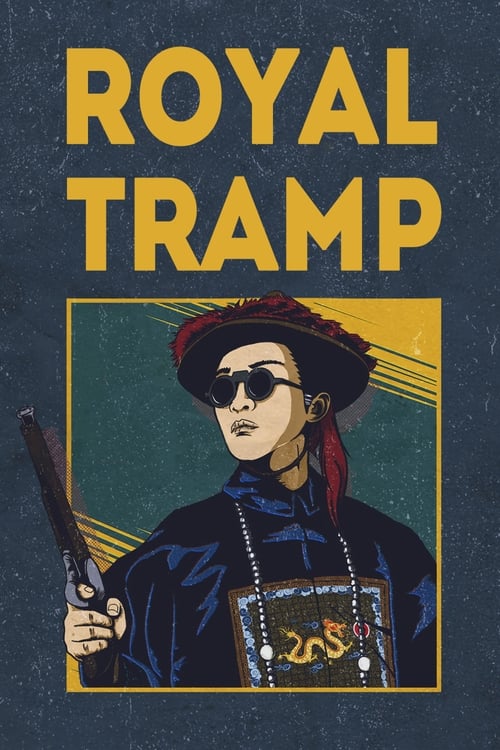
1992
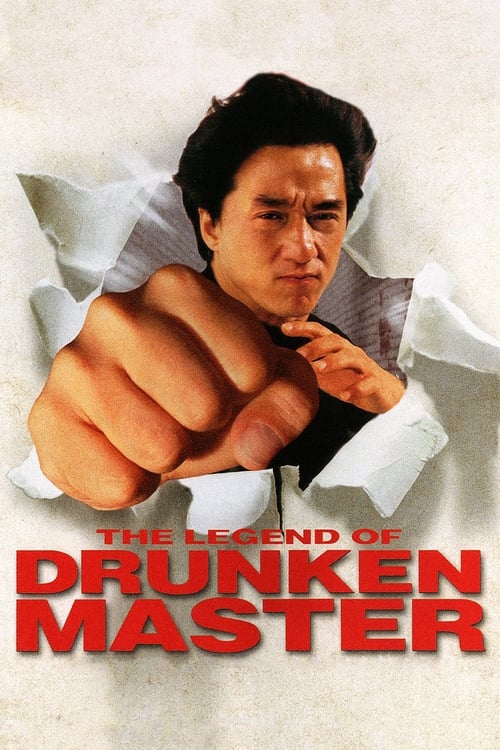
1994
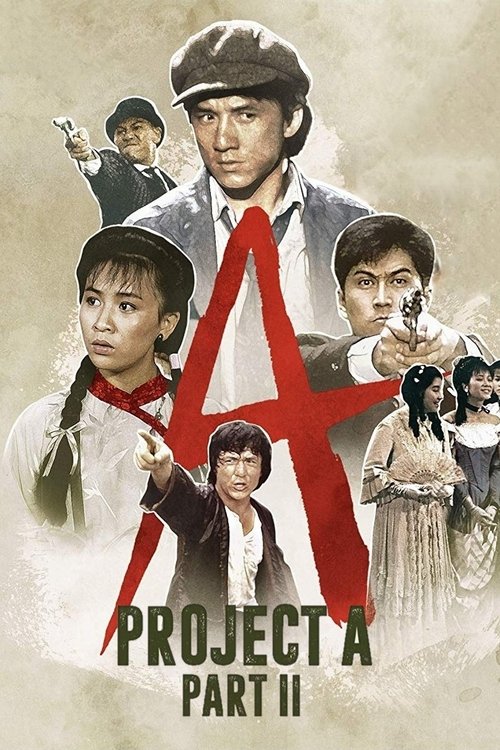
1987
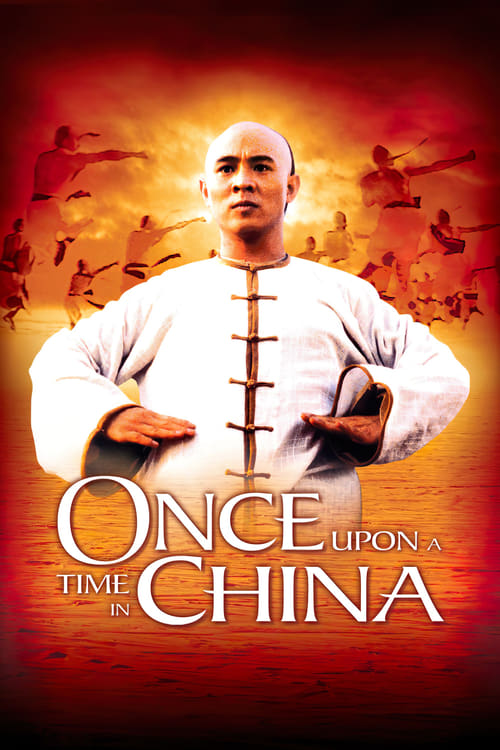
1991
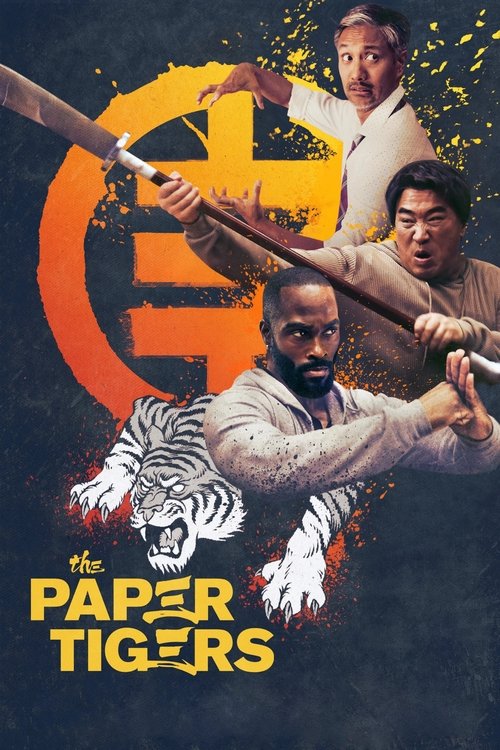
2020
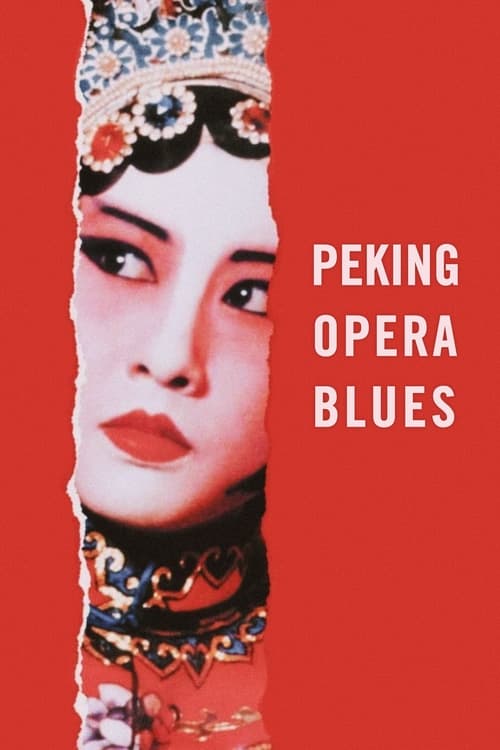
1986
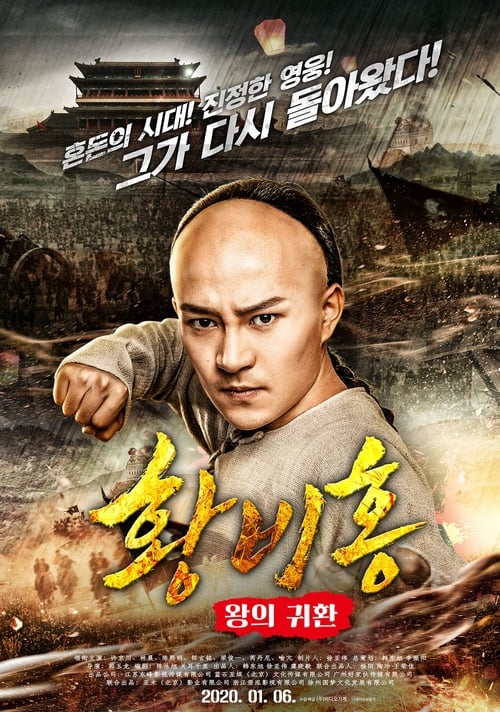
2018
No reviews yet. Be the first to share your thoughts on this movie!
Use the rating form above to leave a star rating and optional review.