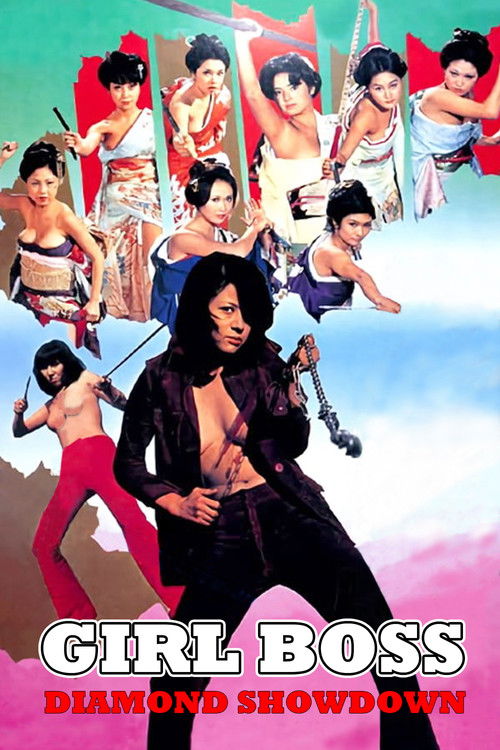
Girl Boss: Diamond Showdown
1974
No user ratings available yet
Representation score: 5.3 out of 10
Representation Score
Limited
1972
Director
Kazuhiko Yamaguchi
Runtime
86 minutes
Average Rating
No ratings yetNew Showbiz Analysis
The film is a culturally specific period piece that prioritizes gender subversion over broad demographic variety. While it lacks LGBTQ+ or disability representation, it excels in centering women's ability to drive the story through Meiko Kaji's commanding performance. Nami operates as a powerful authority figure in a patriarchal setting, disrupting expectations of female passivity. The dynamic between Nami and her companion, Ryuji, further reinforces her central role rather than relegating her to a secondary position. Ultimately, the work functions as a genre-driven exploration of individual survival, trading multi-layered diversity for a focused, progressive disruption of traditional gendered power structures.
Category Breakdown
The film focuses on a revenge-driven plot centered on familial loss and loyalty. There are no characters with non-straight or non-cisgender identities.
Nami subverts traditional hierarchies by acting as a gang leader and high-stakes gambler. She maintains high ability to act and physical competence within male-dominated environments.
Set in Edo-period Japan, the cast is ethnically homogeneous. The film reflects the specific demographic realities of its historical setting.
The story explores subjective morality through a protagonist living on the fringes of society. It prioritizes individual justice over traditional social stability.
There is no visible representation of physical or neurodivergent disabilities within the character arcs.
Present on Screen
Limited or Absent
Official Synopsis
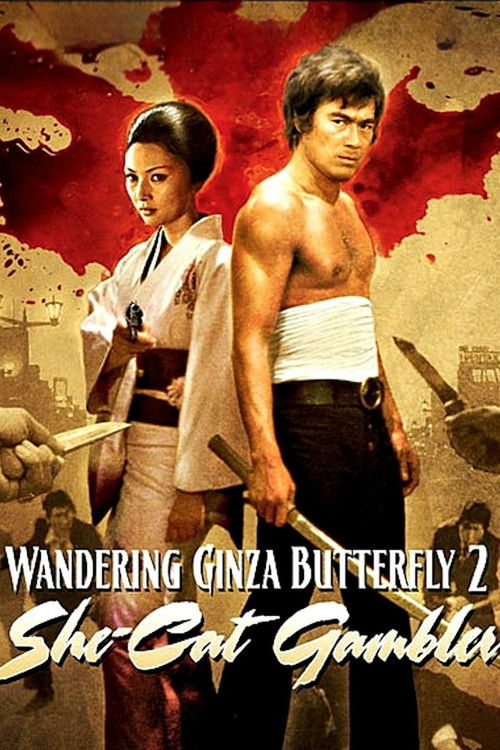
Meiko Kaji reprises her role as Nami, a vengeful female gang leader, in the second installment of this high-action series that casts a new actor -- martial arts legend Sonny Chiba -- in the role of Nami's loyal friend Ryuji. This time around, Nami is looking for Hoshiden, the man who murdered her father and shattered her once-hopeful childhood. But living under an assumed name, Hoshiden could stay hidden forever.
1974

1972
1972

1974
1969
1972
1970
1971
No reviews yet. Be the first to share your thoughts on this movie!
Use the rating form above to leave a star rating and optional review.