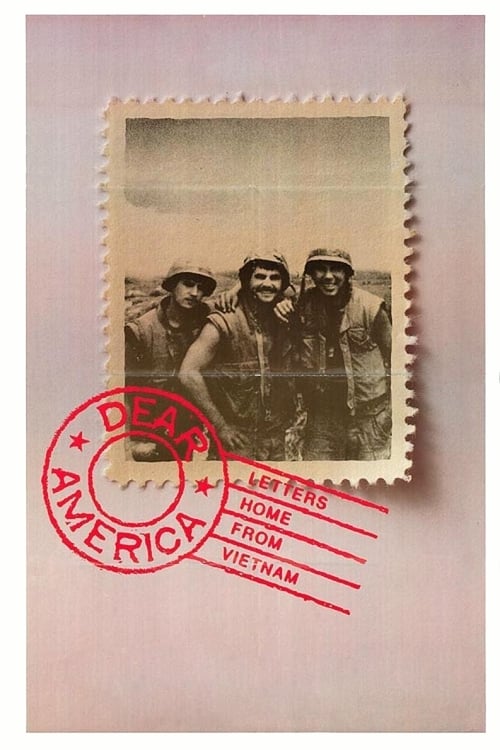
Dear America: Letters Home from Vietnam
1987
No user ratings available yet
Representation score: 7.2 out of 10

Representation Score
Limited
1971
Director
Joseph Strick
Runtime
22 minutes
Average Rating
No ratings yetNew Showbiz Analysis
Joseph Strick’s documentary focuses on a historical deconstruction rather than identity-based representation. Low scores in gender, race, and LGBTQ+ categories reflect the specific demographic of American soldiers being interviewed. The film stands out in its cultural critique by challenging the sanctity of Western military institutions. It uses the My Lai massacre to dismantle patriotic myths and critique systemic failures of state power. Overall, the film operates as a post-colonial critique, emphasizing intellectual inquiry into moral collapse over a diverse range of subjects.
Category Breakdown
The film does not feature any visible LGBTQ+ characters or non-cisgender identities. Its focus is solely on the testimonies of combat veterans from the Vietnam War era.
The narrative is centered around male soldiers, reflecting a hyper-masculine environment without offering female perspectives or ability to act to challenge gendered power structures.
The interview subjects are predominantly white American males. Despite critiquing Western imperialism, the film lacks racial diversity among its participants.
The film challenges the sanctity of Western military institutions by documenting the breakdown of military discipline during the My Lai massacre. It questions the infallibility of state-sanctioned authority and explores the moral failures of imperialist policies.
There are no depictions of physical, sensory, or neurodivergent disabilities in the film. The interview framework does not include characters portrayed through the lens of mental health or chronic illness.
Present on Screen
Limited or Absent
Official Synopsis
Interviews with five former American soldiers who were present at the March 16, 1968 attack on the village of My Lai during the Vietnam War; they discuss the orders that were issued leading up to the attack, their expectations of what they would find there, and the subsequent massacre of the inhabitants and destruction of the village, as well as possible motivations for the killings and rapes which took place. Preserved by the Academy Film Archive in 2002.
1987

2023
2019
1974
1967
1979

1969
2001
No reviews yet. Be the first to share your thoughts on this movie!
Use the rating form above to leave a star rating and optional review.