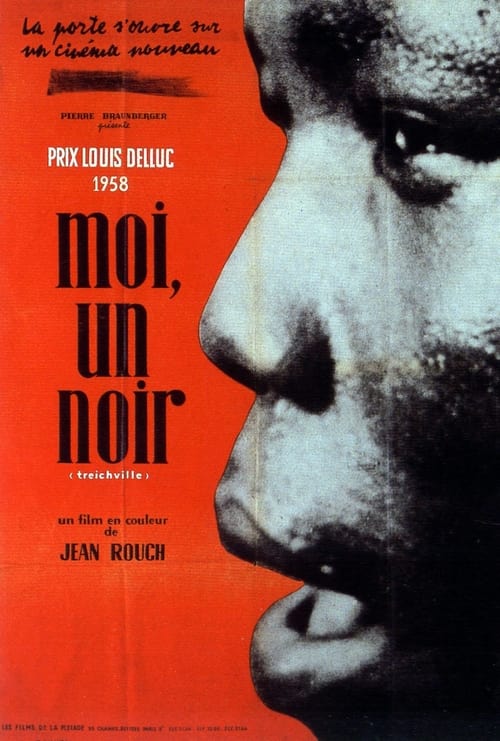
I, a Negro
1959
No user ratings available yet
Representation score: 4.9 out of 10

Representation Score
Good
1955
Director
Paulin Soumanou Vieyra, Mamadou Sarr
Runtime
22 minutes
Average Rating
No ratings yetNew Showbiz Analysis
Afrique sur Seine stands as a groundbreaking film that challenges the Eurocentric viewpoint. By reclaiming the lens, the directors provide a platform for African ability to act within a Western metropolitan setting. The film serves as a crucial precursor to modern storytelling that highlights diverse identities. It successfully shifts the African immigrant from being studied to becoming the protagonist of their own social reality. While the film excels in racial and cultural representation, it remains neutral on LGBTQ+ identities and lacks information on disability representation.
Category Breakdown
The documentary focuses on the socio-cultural realities of African immigrants in 1950s Paris. There is no explicit depiction of non-straight relationships or gender identities that don't match the sex assigned at birth.
The film portrays African women as active participants in the Parisian urban landscape. This approach moves away from traditional colonial stereotypes that often relegated them to the background.
As an 'ethnographic documentary in reverse,' the film centers Black African identities. It challenges the white-centric perspective by allowing subjects to take control of their own portrayal.
The narrative offers a sophisticated critique of colonial power structures. It prioritizes the lived experiences of those who have been sidelined by colonial institutions.
There is no documented evidence regarding the portrayal of physical or neurodivergent disabilities in this work.
Present on Screen
Limited or Absent
Official Synopsis
This film is widely regarded as the first film made by an African south of the Sahara. Labelled an “ethnological documentary in reverse,” it shows 1950s Paris from the cinematic perspective of a group of African immigrants. (Mubi)
1959

1973

1969

1961

1950

1996
1975

1953
No reviews yet. Be the first to share your thoughts on this movie!
Use the rating form above to leave a star rating and optional review.