Cairo as Told by Youssef Chahine
1991
No user ratings available yet
Representation score: 5.3 out of 10
Representation Score
Good
1969
Director
Djibril Diop Mambéty
Runtime
22 minutes
Average Rating
No ratings yetNew Showbiz Analysis
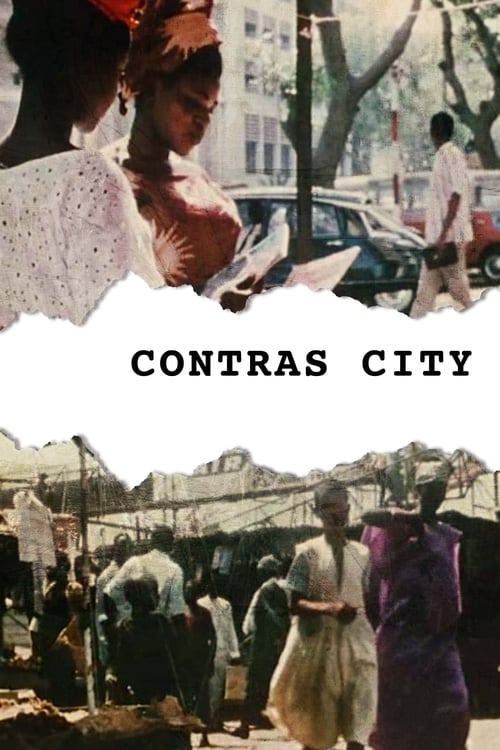
Mambéty’s work is a masterful example of post-colonial cinema, using a fragmented narrative to challenge Western hierarchies. It excels by centering Black identity and offering a nuanced critique of cultural imposition. The film stands out in its racial and cultural representation, using the city of Dakar to explore the tensions between indigenous identity and Western influence. It avoids the typical 'developing world' clichés by focusing on systemic disillusionment. However, the film lacks explicit LGBTQ+ visibility or specific disability representation. While it explores social flux, these specific identity categories remain largely unaddressed within the narrative.
Category Breakdown
The film does not include explicit LGBTQ+ characters or stories focused on non-straight identities. However, it explores identity fluidity in a post-colonial setting without highlighting queer themes.
Women are shown navigating the tension between traditional community structures and modern pressures. This portrayal avoids depicting women as passive and instead highlights their active roles in an urban context.
The film centers Black identity by featuring a predominantly Black cast and showcasing the realities of Senegal. It challenges Eurocentric norms through an authentic, localized depiction of African urban life.
The narrative critiques Western dominance by presenting global capitalism as a disruptive force. It depicts religious and traditional institutions in conflict with modernizing, Western-influenced systems.
The film does not prominently feature physical or neurodivergent disabilities.
Present on Screen
Limited or Absent
Official Synopsis
A fictional documentary that portrays the city of Dakar, Senegal, as we hear the conversation between a Senegalese man (the director, Djibril Diop Mambéty) and a French woman, Inge Hirschnitz. As we travel through the city in a picturesque horse drawn wagon, we chaotically rush into this and that popular neighborhood of the capital, discovering contrast after contrast: A small African community waiting at the Church's door, Muslims praying on the sidewalk, the Rococo architecture of the Government buildings, the modest stores of the craftsmen near the main market.
1991

1927
1955
1929
1959

2017
1996
1964
No reviews yet. Be the first to share your thoughts on this movie!
Use the rating form above to leave a star rating and optional review.