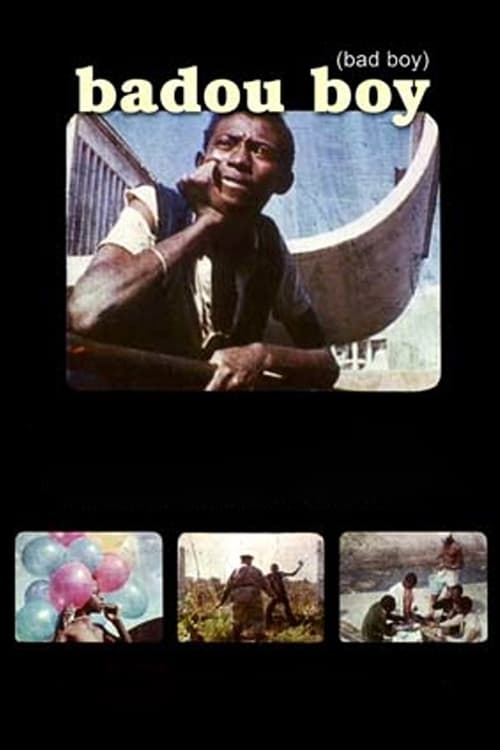
Badou Boy
1970
No user ratings available yet
Representation score: 6.1 out of 10
Representation Score
Fair
1973
Not RatedDirector
Djibril Diop Mambéty
Runtime
91 minutes
Average Rating
No ratings yetNew Showbiz Analysis
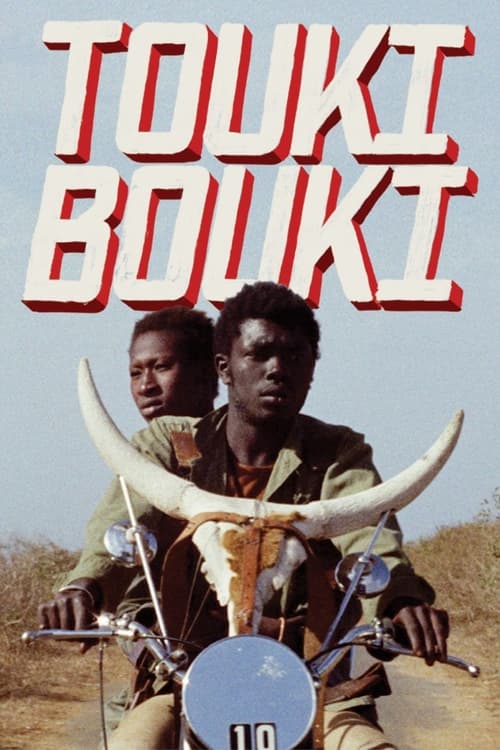
Touki Bouki stands out as a groundbreaking piece of African cinema that dismantles colonial influence. By focusing on a non-Western perspective, it challenges Eurocentric storytelling through an impressionistic, non-linear style. The film excels in its depiction of racial and cultural identity, presenting the dream of Paris as a complex, potentially harmful illusion. It effectively highlights the tension between indigenous roots and Western consumerism. While the film does not explicitly address LGBTQ+ issues or disabilities, its critique of capitalism and post-colonialism positions it as a progressive work that challenges conventional narratives.
Category Breakdown
The film focuses on the romantic relationship between Mory and Anta. It does not include any non-traditional gender identities or same-sex relationships.
Anta challenges traditional gender roles by taking a leading role in driving the plot. She uses her intellect to shape the future of her relationship.
This Senegalese film centers Black African identity as the norm. It avoids the white perspective by offering an authentic, local view of Dakar.
The film critiques Western dominance and the appeal of capitalism. It examines the conflict between traditional community structures and the spread of Western consumer culture.
There are no prominent portrayals of physical or neurodivergent disabilities that serve as central narrative drivers.
Present on Screen
Limited or Absent
Official Synopsis
Mory, a cowherd, and Anta, a university student, try to make money in order to go to Paris and leave their boring past behind.
1970
1974
1975
1972

1991
1968

1993

2003
No reviews yet. Be the first to share your thoughts on this movie!
Use the rating form above to leave a star rating and optional review.