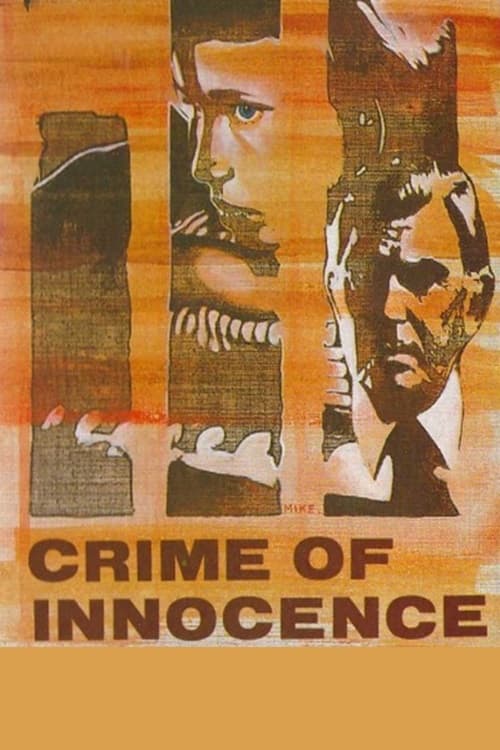
Crime of Innocence
1985
No user ratings available yet
Representation score: 3.6 out of 10
Representation Score
Minimal
1956
Director
Sidney Lumet
Runtime
56 minutes
Average Rating
No ratings yetNew Showbiz Analysis
Sidney Lumet’s direction provides a foundation of social realism, using drama to dissect communal tension and systemic pressures. The film effectively highlights the dangers of mob mentality and racial profiling through the character of Raphael Infante. However, the narrative is heavily constrained by the era's social hierarchies. Traditional gender roles limit the scope of the social critique, and the lack of multi-layered complexity further restricts its impact. Ultimately, the film serves as a study of social fragility. It examines how systemic biases are used by a community, even if it does not fully deconstruct the broader social structures of the time.
Category Breakdown
The film does not include any LGBTQ+ characters or identities outside of traditional heterosexual relationships. The social framework adheres strictly to mid-century norms.
Women's roles are largely reactive, focusing on the victimhood of Dotty Fisher. The main drivers of the plot are predominantly male, reinforcing traditional masculine control.
Racial tension is introduced through Raphael Infante, a Puerto Rican man targeted by the community. While his character highlights the injustice of profiling, he lacks significant personal ability to act.
The film explores the tension between institutional law and chaotic citizens, rooted in mid-century Western values without a broader critique of those institutions.
There are no prominent depictions of visible or invisible disabilities that drive the narrative or provide character depth.
Present on Screen
Limited or Absent
Official Synopsis
Fifteen-year-old girl Dotty Fisher is assaulted at a construction camp. In the wake of this incident, the construction workers form a vigilante group led by the hot-headed Frank Doran in order to find the person responsible for the attack. After the group erroneously assume that innocent Puerto Rican Raphael Infante is guilty of the crime, only one lone man named Alec Beggs dares to stand up to the angry mob.
1985
1950
1996

1989

1998
1981

1975
1958
No reviews yet. Be the first to share your thoughts on this movie!
Use the rating form above to leave a star rating and optional review.