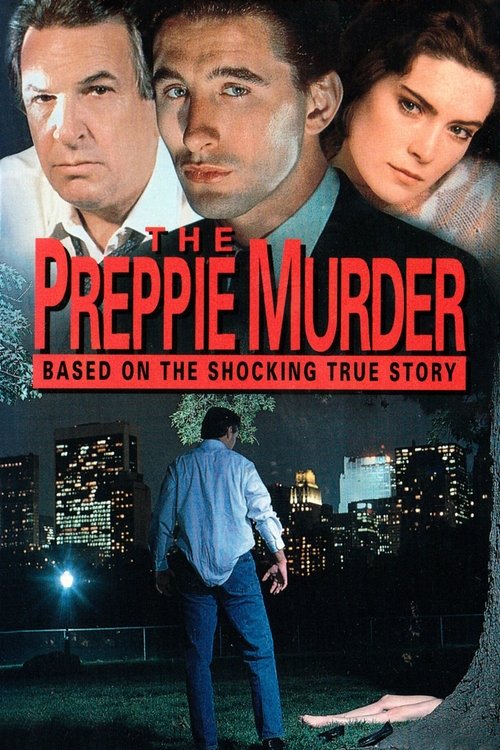
The Preppie Murder
1989
No user ratings available yet
Diversity score: 2.5 out of 10

1986
Not RatedDirector
Jud Taylor
Runtime
96 minutes
Average Rating
No ratings yetSynopsis
A grieving family whose daughter was killed in a car crash with a drunken driver is outraged and frustrated as they encounter the inevitable bureaucratic delays in bringing the case to trial. Once in the courtroom, they are horror-stricken as the young, hard-pressed district attorney seems unable to overcome the technicalities and maneuverings that the driver's attorney uses to keep his client out of jail and still on the streets as a legal driver. When the judge is forced to rule time and again in favor of the defense, it appears that the driver might escape punishment altogether.
Overall Score
Limited
Category Breakdown
LGBTQ+ Representation
The film focuses on a traditional nuclear family unit reacting to tragedy. There is no evidence of non-cisnormative identities or narratives that critique heteronormativity.
Gender Representation
A young district attorney struggles against systemic legal maneuverings. The narrative relies on traditional emotional archetypes regarding family loss and professional frustration.
Racial & Ethnic Diversity
The story appears to be a domestic legal drama centered on Western judicial structures. There is no mention of a diverse or non-Anglo-Saxon majority cast.
Religious & Cultural Diversity
The plot critiques the failure of Western institutions and the rule of law. It emphasizes conventional moral structures and the sanctity of family grief.
Disability Representation
The narrative does not include depictions of physical, neurodivergent, or sensory disabilities. The central conflict is driven by a vehicular accident and legal technicalities.
Strengths
Areas for Improvement
AI Analysis
License to Kill functions as a conventional social drama centered on a grieving family and a legal battle. The narrative architecture is built around standard Western themes of justice and institutional failure, offering little in the way of intersectional representation. The film lacks intentional subversion of social hierarchies, focusing instead on the struggle for individual justice within a traditional framework. The characters and conflicts follow established archetypes of loss and bureaucratic frustration. Ultimately, the work remains within a narrow demographic scope, prioritizing a traditional domestic perspective over a diverse or globalized worldview.
1989
1993

2013
1996
1999

1999
1984
2002
1988

2018
1995
1994
No reviews yet. Be the first to share your thoughts on this movie!
Use the rating form above to leave a star rating and optional review.