
The Defenders: Taking the First
1998
No user ratings available yet
Representation score: 3.6 out of 10
Representation Score
Fair
1998
RDirector
Ernest R. Dickerson
Runtime
122 minutes
Average Rating
No ratings yetNew Showbiz Analysis
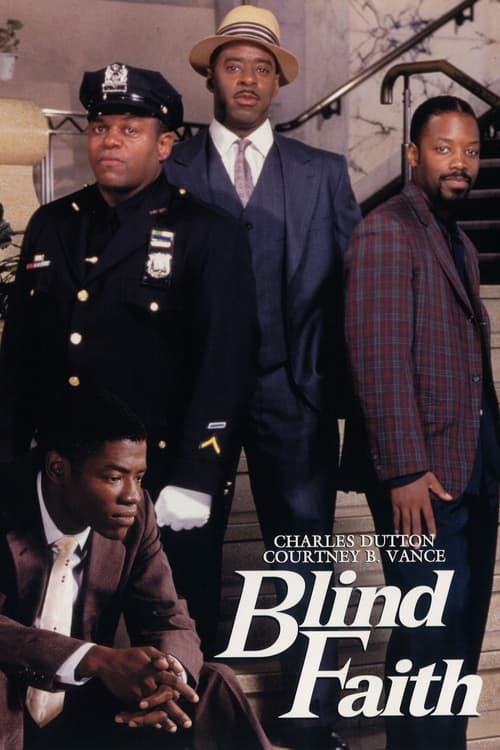
Blind Faith disrupts historical clichés by placing a Black man in a actively leading, intellectual role during a period of intense systemic oppression. By centering the legal battle on a Black protagonist, the film directly challenges the racial hierarchies of 1957. However, the film's scope is narrow, focusing almost exclusively on male-driven conflict. This results in a lack of gender diversity and leaves little room for women's ability to drive the story or LGBTQ+ representation within the established period setting. Ultimately, the film is a powerful study of racial ability to act and institutional critique, even if its character demographics remain largely limited to a specific male-centric legal drama.
Category Breakdown
The film lacks explicit LGBTQ+ characters or narratives that challenge heterosexuality. The 1957 setting emphasizes the social structures of the time that assume everyone is straight.
The plot centers around male characters, particularly a lawyer and his nephew. There is little evidence of women playing a significant role in the main conflict.
The film highlights the ability to act of a Black lawyer by placing him in a position of professional authority. It challenges the racial hierarchies of 1957 by making a Black man the primary investigator of truth.
The narrative critiques Western legal and social institutions through the lens of systemic corruption. It examines how established institutions failed to provide justice for Black citizens.
There are no characters with visible or invisible disabilities in the narrative.
Present on Screen
Limited or Absent
Official Synopsis
In 1957, black lawyer John Williams has to defend his nephew Charlie, who is accused of strangling a white boy to death. John doesn't believe Charlie did it, and although Charlie confesses, John wants to find out the real truth.
1998

1989
1991

1989

2003
1996
1986
1997
No reviews yet. Be the first to share your thoughts on this movie!
Use the rating form above to leave a star rating and optional review.