
Paid
1930
No user ratings available yet
Representation score: 1.8 out of 10
Representation Score
Minimal
1936
ApprovedDirector
Nick Grindé
Runtime
69 minutes
Average Rating
No ratings yetNew Showbiz Analysis
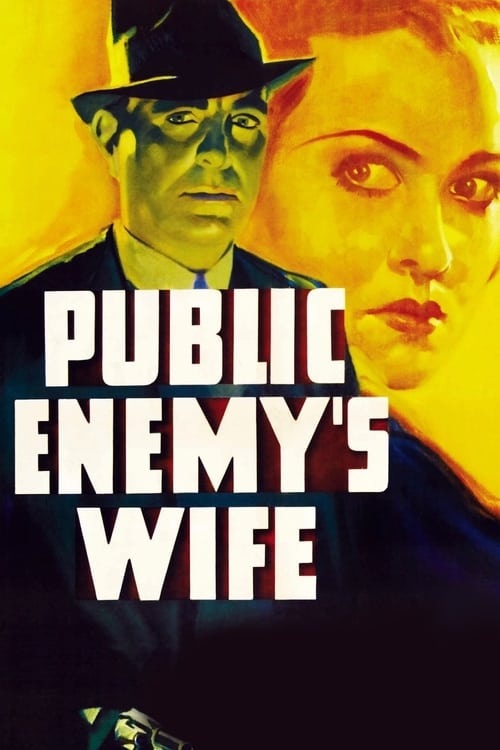
Public Enemy's Wife is a typical 1930s crime drama that adheres closely to the era's social and cinematic norms. The narrative relies on traditional genre clichés, focusing on domestic instability and the tension between individuals and legal institutions. The film lacks complexity in reflecting multiple aspects of identity, prioritizing a conventional story of a woman fighting false accusations. It reinforces mid-century social hierarchies and institutional authority.
Category Breakdown
The film centers on a heterosexual marriage conflict between Judith and Gene. There is no depiction of non-cisgender identities or critiques of heteronormativity.
Judith plays a significant role in defending herself against the FBI, but the plot is largely driven by her husband's violent and vindictive actions.
The narrative reflects the predominantly white social structures typical of 1930s crime dramas. There is no indication of diverse casting or ethnic representation.
The story emphasizes individual morality and legal accountability within the FBI and parole systems. It reinforces law and order without critiquing systemic structures.
The synopsis provides no information regarding characters with visible or invisible disabilities.
Present on Screen
Limited or Absent
Official Synopsis
Judith has just been paroled for a crime which her vindictive, jealous, violent husband, Gene, fingered her for. Gene is in prison for life. She claims that she had no knowledge of Gene's criminal activity, but FBI agent Lee Laird doesn't buy it.
1930
1958
1932

1941
1939

1937
1932
1953
No reviews yet. Be the first to share your thoughts on this movie!
Use the rating form above to leave a star rating and optional review.