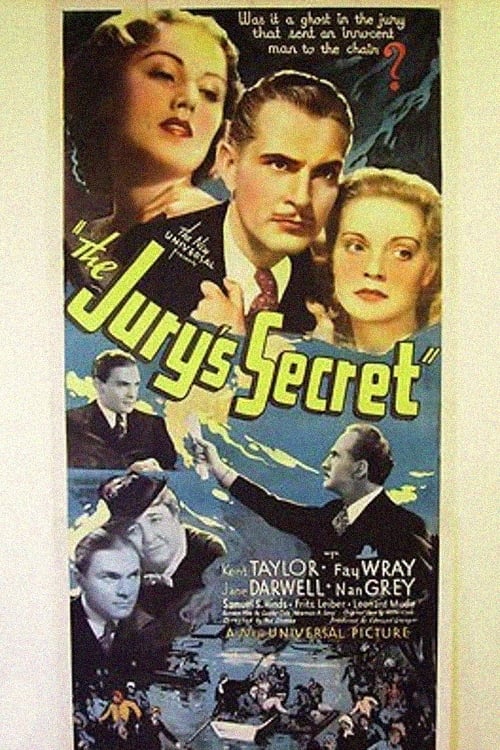
The Jury's Secret
1938
No user ratings available yet
Representation score: 0.6 out of 10
Representation Score
Minimal
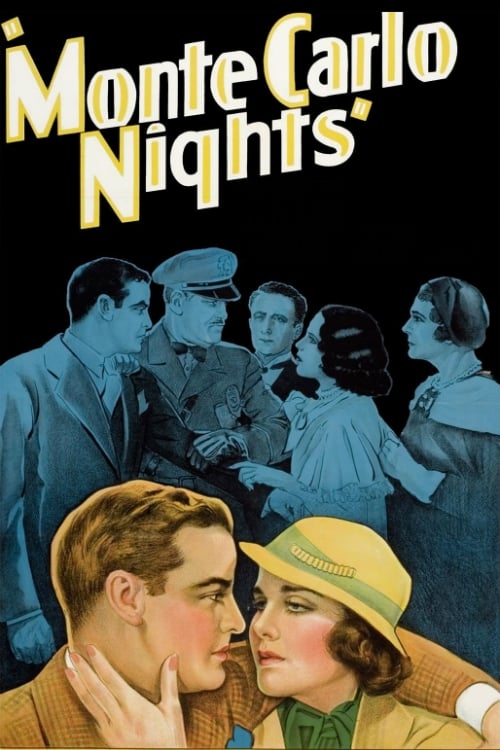
1934
ApprovedDirector
William Nigh
Runtime
62 minutes
Average Rating
No ratings yetNew Showbiz Analysis
Monte Carlo Nights is a product of the 1930s studio era, operating within the rigid moral constraints of the Hays Code. The narrative structure prioritizes traditional masculine control and a restorative justice arc that upholds existing social hierarchies. The film lacks meaningful diversity, focusing instead on conventional clichés of the mystery and romance genres. It presents a world defined by Eurocentric norms and straight-centered relationships. Ultimately, the film serves as a standard example of early sound-era filmmaking, offering little disruption to the established cultural status quo of its time.
Category Breakdown
The film adheres to the strict conventions of 1934 cinema, focusing exclusively on cisgender, heterosexual relationships without any queer subtext.
Female characters appear primarily as romantic interests or objects of pursuit. The central role and plot progression belong to the male protagonist.
The production likely features a Eurocentric cast typical of the era. It relies on homogeneous white ensembles to represent Western sophistication.
The story reinforces the stability of legal and social institutions through a restorative justice arc. It follows a binary moral framework of innocence versus guilt.
There is no information regarding the inclusion of characters with physical or neurodivergent disabilities.
Present on Screen
Limited or Absent
Official Synopsis
A man wrongfully convicted of murder escapes custody and goes in search of the real killer. The problem is that he only has one clue to go on.
1938
1947
1931
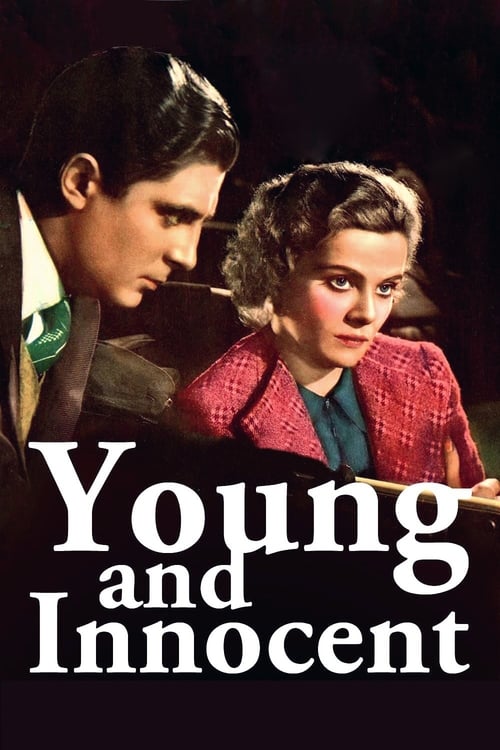
1937
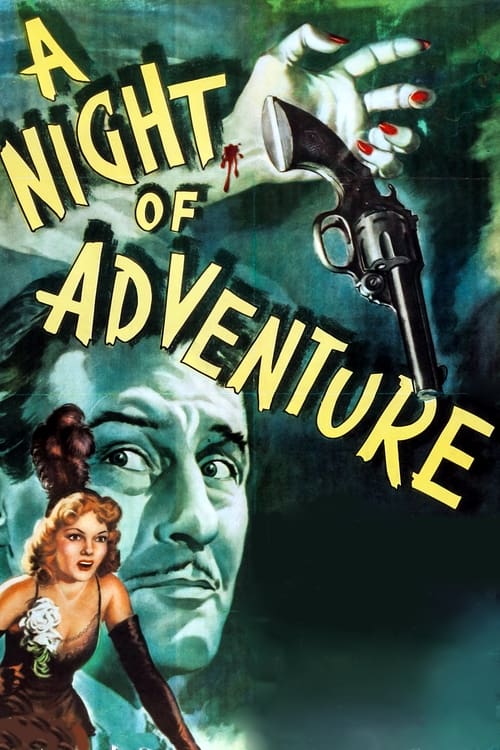
1944

1930
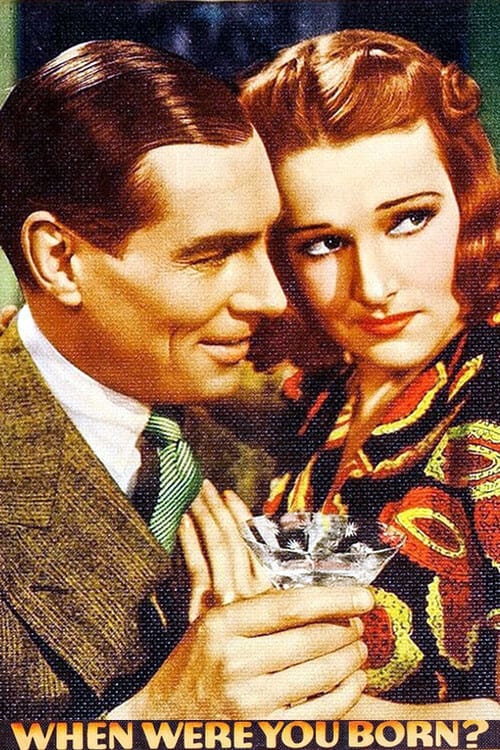
1938
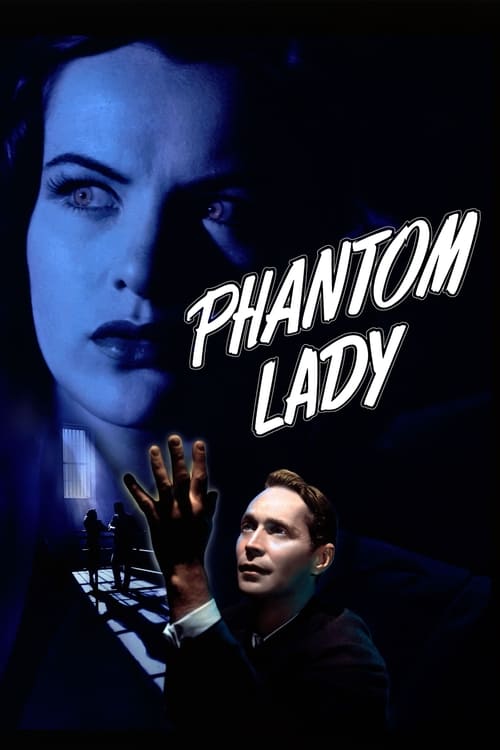
1944
No reviews yet. Be the first to share your thoughts on this movie!
Use the rating form above to leave a star rating and optional review.