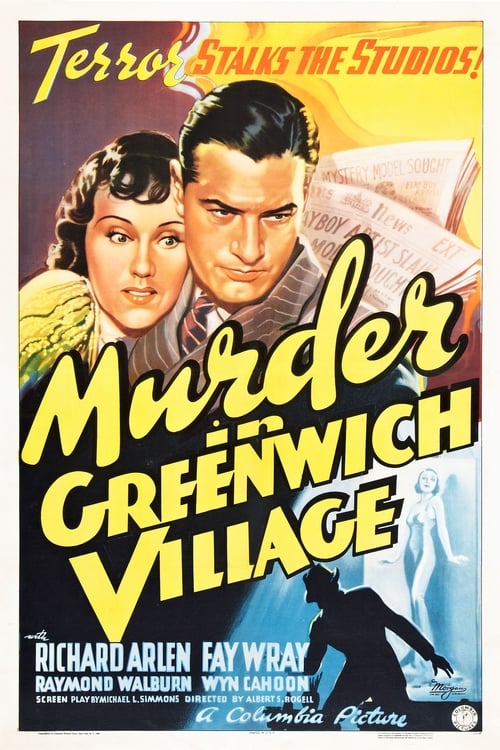
Murder in Greenwich Village
1937
No user ratings available yet
Representation score: 1.8 out of 10
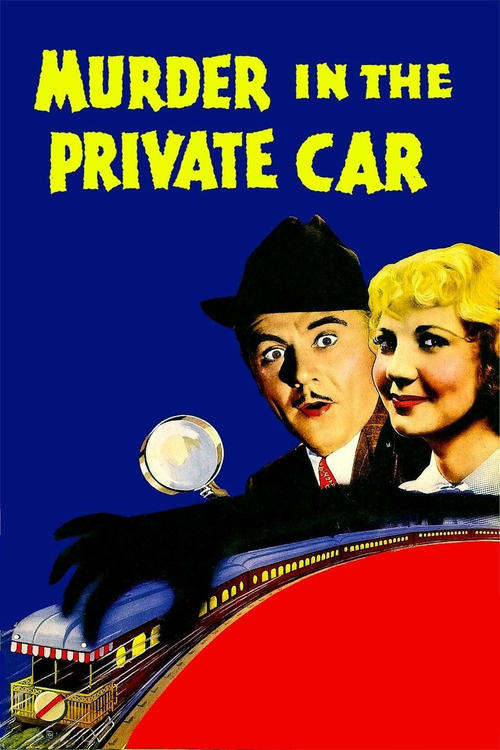
Representation Score
Minimal
1934
PassedDirector
Harry Beaumont
Runtime
63 minutes
Average Rating
No ratings yetNew Showbiz Analysis
Murder in the Private Car is a conventional 1930s mystery-romance that relies on the 'lost heir' cliché. The story prioritizes individual identity and familial lineage over broader sociological themes. The film functions as a standard product of its era, adhering to established social hierarchies. It focuses on the restoration of a disrupted social order through the lens of wealth and inheritance. Ultimately, the production lacks the intentionality needed to provide nuanced characters who reflect more than one aspect of diversity or to subvert the systemic norms of the early sound era.
Category Breakdown
The film does not include any characters with non-straight or non-cisgender identities. The plot follows a traditional romantic and mystery storyline.
Ruth Raymond works as a telephone operator, showing some professional involvement. However, her story revolves around her status as a tycoon's daughter, tying her identity to patriarchal lineage.
The narrative focuses on class-based conflicts involving railroad tycoons. There is no indication of diverse casting or intentional racial blending in the story.
The plot reinforces traditional Western structures of wealth and the nuclear family. It seeks to restore a disrupted social order rather than deconstructing institutions.
There is no information available regarding the portrayal of physical or neurodivergent characters.
Present on Screen
Limited or Absent
Official Synopsis
Ruth Raymond works on the telephone switchboard of a large NYC office building. One day, a private detective informs her that she is actually the daughter of railroad tycoon Luke Carson, and that she had been kidnapped as a baby 14 years ago by Luke's vindictive brother Elwood, and placed with strangers.
1937
1936
1937
1934
1940
1934
1940
1935
No reviews yet. Be the first to share your thoughts on this movie!
Use the rating form above to leave a star rating and optional review.