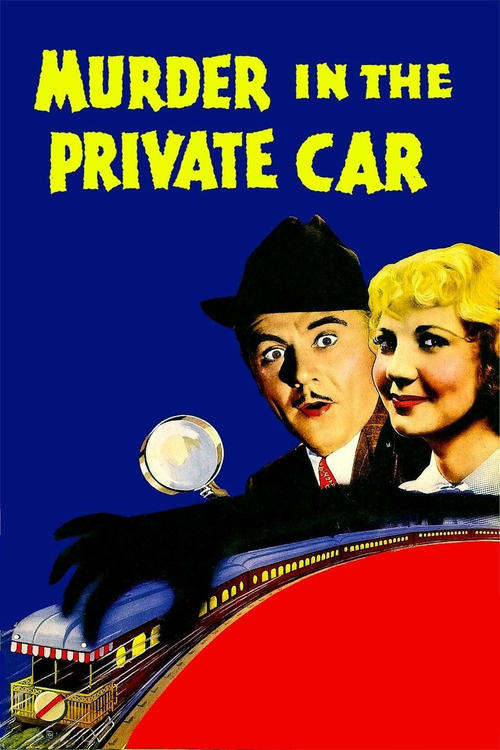
Murder in the Private Car
1934
No user ratings available yet
Representation score: 0.4 out of 10
Representation Score
Minimal
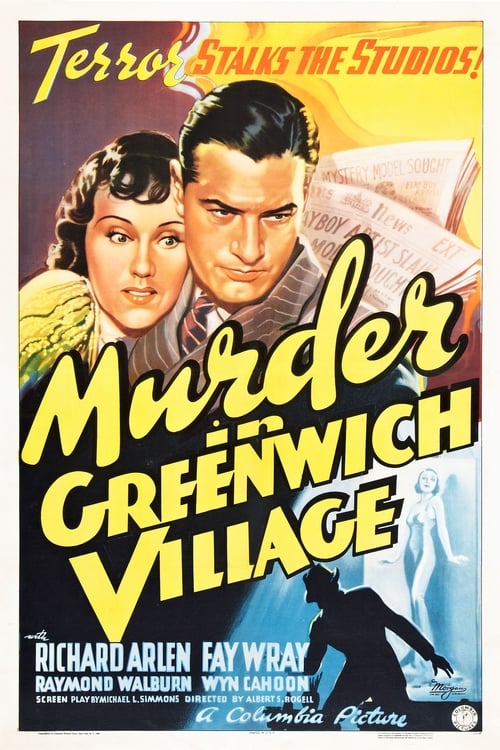
1937
NRDirector
Albert S. Rogell
Runtime
68 minutes
Average Rating
No ratings yetNew Showbiz Analysis
Murder in Greenwich Village is a typical genre film that upholds the social hierarchies of 1937. The narrative revolves around a screwball romance and mystery, emphasizing individual stakes over diverse representations. The film mirrors the cultural norms of its era, lacking the intention to challenge conventional expectations related to race, gender, or sexual orientation. It reflects the period's status quo. While the female protagonist plays a significant role in advancing the plot, the story remains entrenched in traditional romantic clichés and homogeneous social compositions.
Category Breakdown
The film does not include any characters with non-binary genders or same-sex relationships. The story centers on a heterosexual couple.
A powerful female character leads the plot by seeking an alibi. However, the story follows traditional gender roles and romantic resolutions.
The cast primarily features white, upper-class, and middle-class characters, reflecting the homogenous casting practices typical of 1930s films.
The plot focuses on personal alibis and romantic tension, avoiding any critique of systemic issues. It adheres to the conventional social structures of the time.
There is no indication of characters with visible or invisible disabilities in the film.
Present on Screen
Limited or Absent
Official Synopsis
A society girl is suspected of murdering an artist whose brother is a notorious racketeer. In her pursuit of an alibi, she inadvertently implicates a struggling advertisement photographer. Now they must keep up the appearance of being engaged as a bumbling detective snoops around, and their initial distaste for each other blossoms into romance.
1934
1936
1936
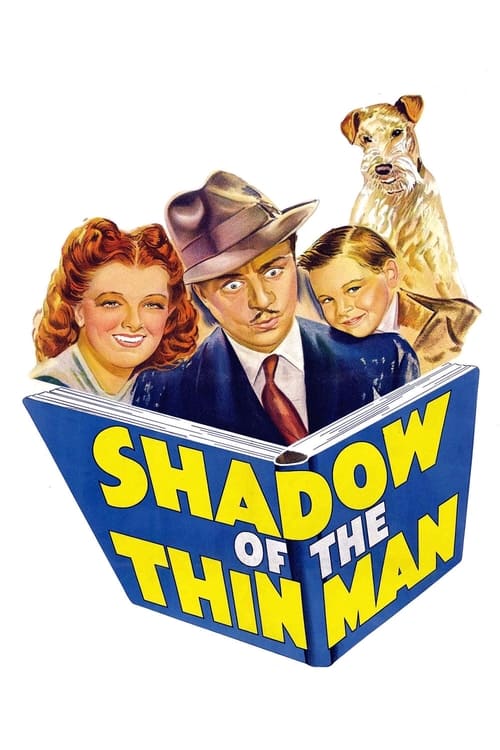
1941
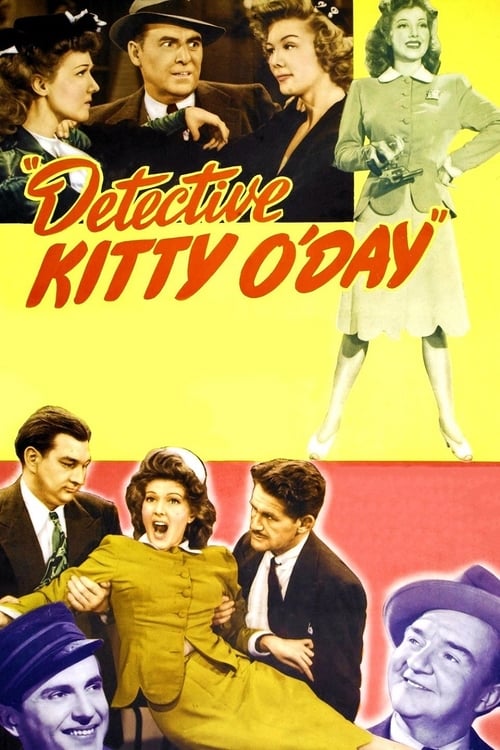
1944
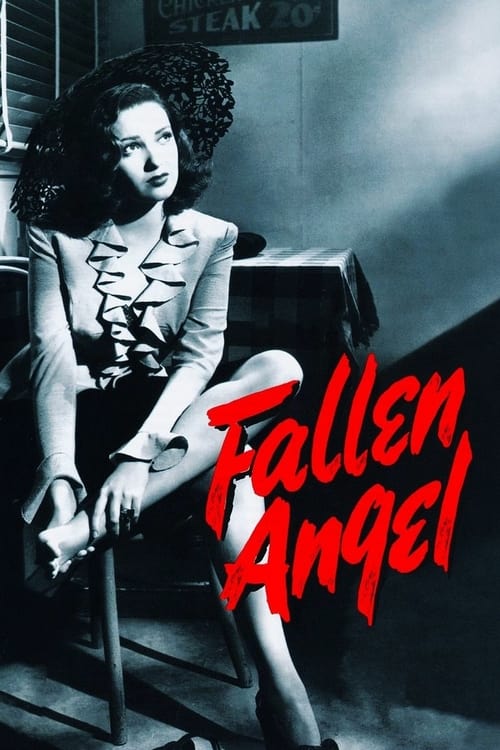
1945
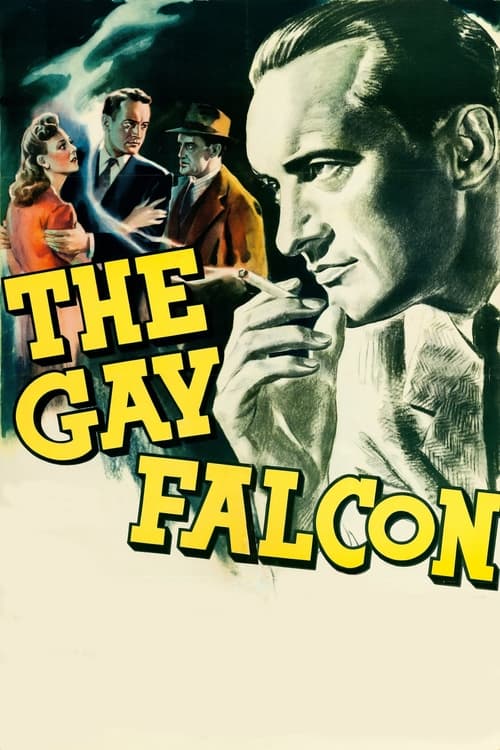
1941

1934
No reviews yet. Be the first to share your thoughts on this movie!
Use the rating form above to leave a star rating and optional review.