
The Devil Plays
1931
No user ratings available yet
Representation score: 1.9 out of 10
Representation Score
Minimal
1938
NRDirector
William C. McGann
Runtime
65 minutes
Average Rating
No ratings yetNew Showbiz Analysis
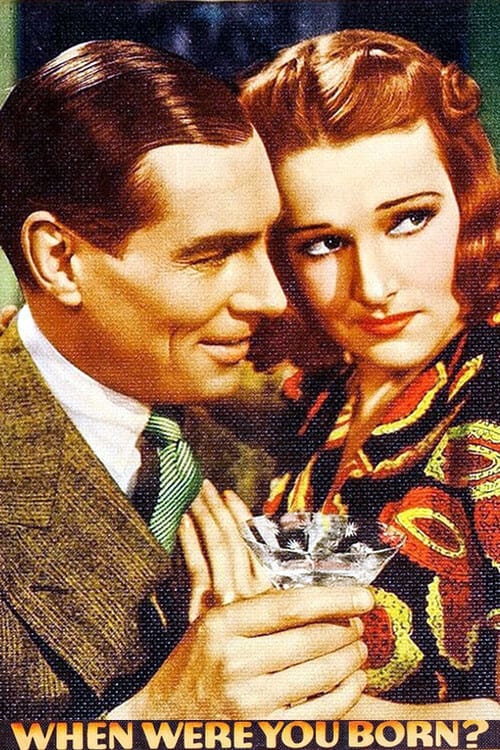
When Were You Born is a classic example of 1938 Hollywood cinema. It strictly adheres to the mystery and romance genre conventions of the time without challenging the social hierarchies of its era. The film offers a straightforward viewing experience that emphasizes escapism and traditional moral frameworks. It lacks the complexity of multiple layers of diversity, focusing instead on the mainstream social perspectives of the mid-1930s. Ultimately, the work serves as a historical record of mid-century cinema, marked by a lack of diverse representation and a dependence on established character types.
Category Breakdown
The film does not include any LGBTQ+ characters or narratives that question the assumption that everyone is straight or cisgender. It follows the traditional romantic storylines typical of the late 1930s.
Although women play a role in the mystery investigation, the character dynamics follow the gender norms of the 1930s. Women do not have much control over their own destinies or challenge the male-dominated leadership roles.
The film reflects the predominantly white demographics of the era's studio system. There is no indication of actors from non-white backgrounds or a shift away from Anglo-Saxon perspectives.
The story functions as an escapist mystery that upholds the social stability of the mid-1930s. It avoids any critiques of Western religious or cultural institutions.
The film does not feature any characters with visible or invisible disabilities. The narrative focuses solely on the central mystery and romantic plotlines.
Present on Screen
Limited or Absent
Official Synopsis
A San Francisco astrologer correctly predicts a ship passenger's death and then helps the police look for the murderer.
1931

1944
1934
1937

1931
1937
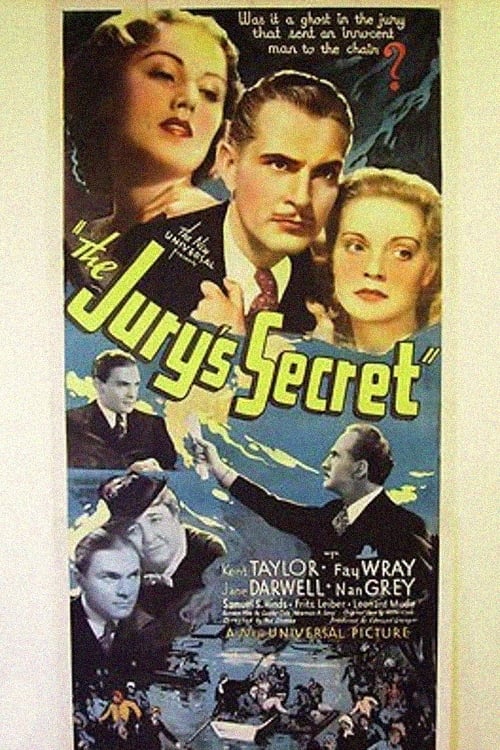
1938
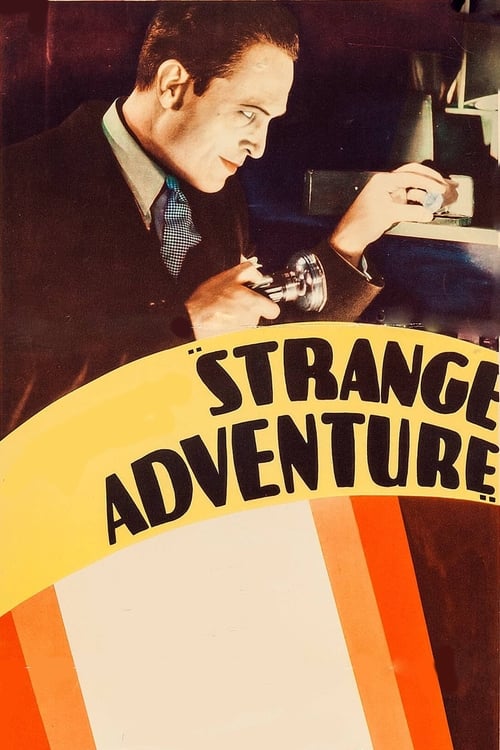
1932
No reviews yet. Be the first to share your thoughts on this movie!
Use the rating form above to leave a star rating and optional review.