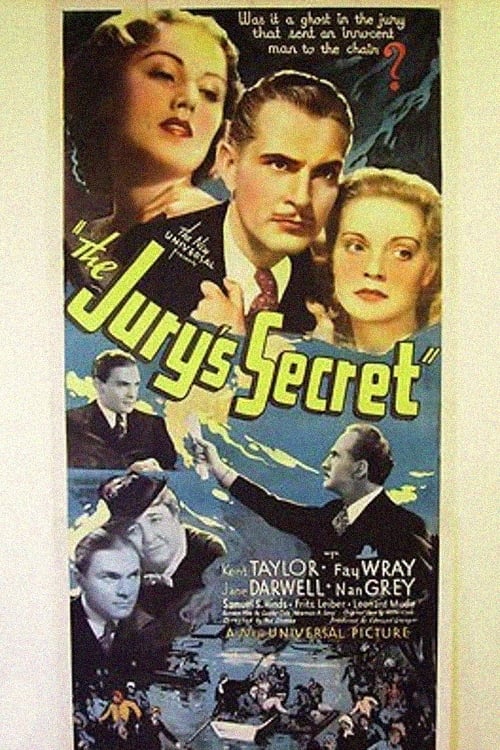
The Jury's Secret
1938
No user ratings available yet
Representation score: 0.6 out of 10
Representation Score
Minimal
1935
PassedDirector
D. Ross Lederman
Runtime
58 minutes
Average Rating
No ratings yetNew Showbiz Analysis
The film follows a standard crime-mystery procedural typical of the 1930s. It emphasizes a straightforward, hero-focused plot that upholds traditional social hierarchies and moral frameworks. Narrative focus is heavily on the male protagonist, while the female lead supports him with cautionary advice. The casting and cultural themes align with the era's mainstream Hollywood standards without challenging social norms. Overall, the film lacks complexity in reflecting multiple aspects of identity and operates within the established cinematic norms of its time.
Category Breakdown
The film centers on a traditional heterosexual relationship without exploring any non-straight identities or challenging assumptions about straight relationships.
Gender roles adhere to 1930s norms. The female lead tries to influence the male protagonist's career, but the narrative focuses on the male lead's actions and decisions.
The cast and setting reflect the homogeneity of 1930s Hollywood. There is no indication of a diverse cast or non-Anglo-Saxon majority.
The narrative follows traditional Western crime and justice themes, reinforcing societal values around law, order, and individual heroism.
The plot does not include characters with visible or invisible disabilities. No disability is used as a plot device or given a significant role in driving the story.
Present on Screen
Limited or Absent
Official Synopsis
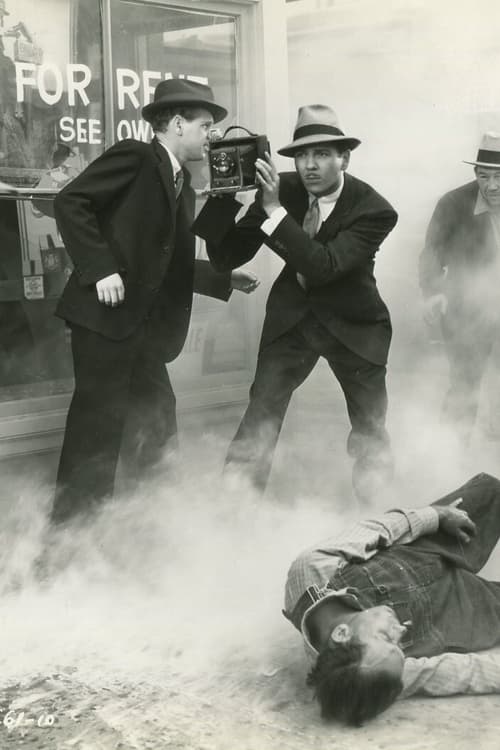
After an argument with his newspaper's city editor, press-photographer Jimmy Hudson quits his job and takes up free-lancing as a street-photographer for a living. He stumbles across the robbing of a jewelry store and takes a picture of one of the robbers as he is leaving the scene-of-the-crime in which murder has also been committed. At the risk of his own life, over the protests of his sweetheart, he sets a trap to catch the crook.
1938
1945
1935

1931
1941
1939
1944

1944
No reviews yet. Be the first to share your thoughts on this movie!
Use the rating form above to leave a star rating and optional review.