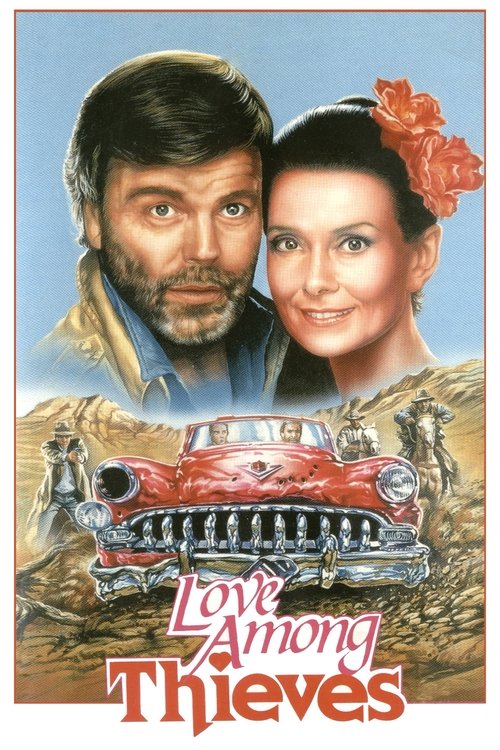
Love Among Thieves
1987
No user ratings available yet
Diversity score: 2.7 out of 10
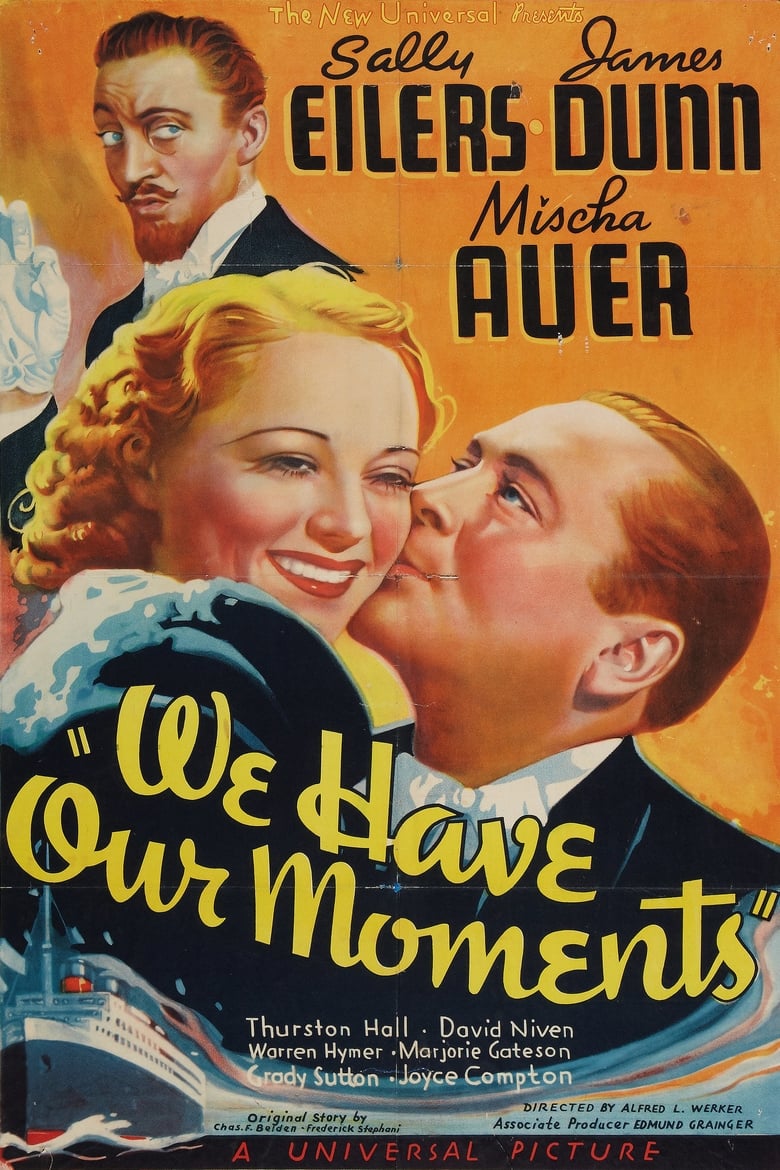
1937
ApprovedDirector
Alfred L. Werker
Runtime
65 minutes
Average Rating
No ratings yetSynopsis
A trio of American crooks board a ship bound for Europe, intending to get rid of $100,000 in stolen dough. With detective John Wade breathing down their necks, the crooks stash the loot in the trunk belonging to vacationing schoolmarm Mary Smith.
Overall Score
Limited
Category Breakdown
LGBTQ+ Representation
The film lacks any evidence of non-heteronormative identities. It follows traditional romantic comedy frameworks centered on heteronormative pairings.
Gender Representation
Mary Smith is portrayed as a conventional schoolmarm. Her role serves primarily as a plot device, with her agency appearing reactive to the male-driven conflict.
Racial & Ethnic Diversity
The cast appears to be a homogeneous group of Western travelers. There is no indication of non-white or non-Anglo-Saxon characters in the narrative.
Religious & Cultural Diversity
The story operates within standard 1930s moral frameworks. It focuses on the tension between criminality and law enforcement rather than critiquing social institutions.
Disability Representation
There is no information regarding the inclusion or portrayal of characters with physical or neurodivergent disabilities.
Strengths
Areas for Improvement
AI Analysis
We Have Our Moments is a product of its time, adhering strictly to the studio conventions of 1937. The narrative relies on established genre tropes of mystery and romance without attempting to subvert social hierarchies or introduce intersectional perspectives. The film reinforces the status quo through its character archetypes and social structures. It presents a world defined by traditional gender roles and a homogeneous racial landscape, typical of the era's mainstream cinema. Ultimately, the film functions as a conventional genre piece. It lacks the complexity required to challenge the social or cultural norms of the late 1930s.
No reviews yet. Be the first to share your thoughts on this movie!
Use the rating form above to leave a star rating and optional review.