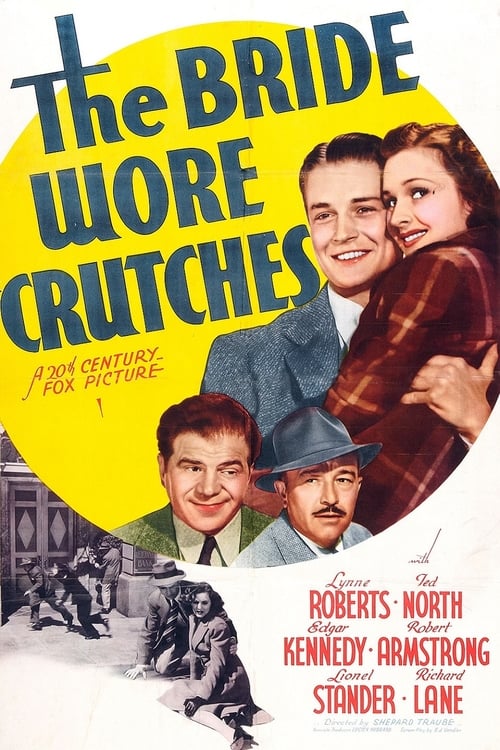
The Bride Wore Crutches
1940
No user ratings available yet
Representation score: 3.3 out of 10
Representation Score
Minimal
1935
NRDirector
Ray McCarey
Runtime
65 minutes
Average Rating
No ratings yetNew Showbiz Analysis
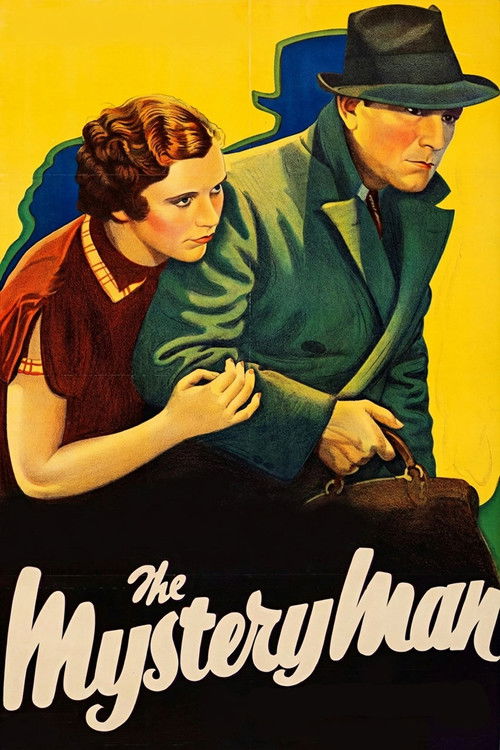
The Mystery Man is a conventional 1930s genre piece that adheres strictly to the era's social norms. The plot relies on traditional crime and romance clichés, focusing on the male protagonist's personal struggles with reputation and finances. Representation is limited, reflecting the homogeneous casting and assumptions that everyone is straight or cisgender. The film lacks intentionality in challenging social hierarchies or offering perspectives that reflect multiple aspects of identity. Ultimately, the work functions as a standard period comedy-mystery without any significant movement toward diversity or systemic challenges.
Category Breakdown
The film focuses solely on a heterosexual relationship. There is no representation of non-straight or non-cisgender identities, nor does it critique the assumption that everyone is straight or cisgender.
The female lead is portrayed through the 'comely stranger' cliché, emphasizing her beauty. She primarily serves as a device to advance the male protagonist's storyline.
The narrative follows a traditional 1930s crime-comedy setup. It does not include any diverse cast members or integrate non-Anglo-Saxon characters.
The story uses the hard-boiled reporter archetype common to Western crime fiction. It centers on individual problems rather than any systemic critique of social or religious institutions.
There is no evidence of characters with physical, sensory, or neurodivergent disabilities in the narrative.
Present on Screen
Limited or Absent
Official Synopsis
Hard-boiled newspaper reporter Larry Doyle (Robert Armstrong) goes a bit too far in celebrating a work bonus and wakes up on a train bound for St. Louis with only a buck on his person. To remedy the problem, Doyle pawns the revolver he's carrying. When the gun is subsequently used in a murder, Doyle's problems only multiply. In the meantime, he's also fallen in love with a comely stranger (Maxine Doyle) he convinced to impersonate his wife.
1940
1924
1931
1938
1935
1924
1932
1935
No reviews yet. Be the first to share your thoughts on this movie!
Use the rating form above to leave a star rating and optional review.