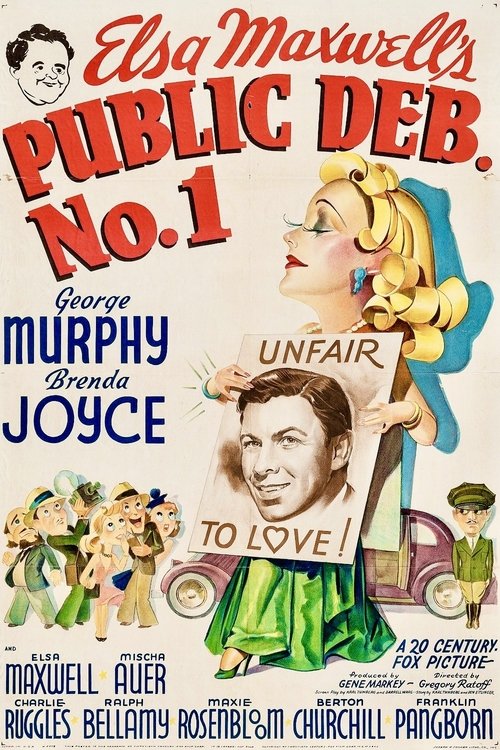
Public Deb No. 1
1940
No user ratings available yet
Representation score: 1.2 out of 10
Representation Score
Limited
1934
PassedDirector
James Parrott
Runtime
20 minutes
Average Rating
No ratings yetNew Showbiz Analysis
Mixed Nuts primarily serves as a period-specific political satire, engaging with contemporary socio-economic policies by mocking the government's handling of New Deal relief funds. While it avoids some overt harmful stereotypes of its era, it remains deeply rooted in the traditional social hierarchies of the 1930s. The demographic profile is largely conventional and lacks meaningful representation for underrepresented groups. Ultimately, the work offers limited opportunities for women to drive the story and lacks any significant racial or LGBTQ+ diversity, reflecting the era's narrow cinematic focus.
Category Breakdown
There are no visible LGBTQ+ characters or narratives addressing non-assuming gender matches what was assigned at birth identities in the film, which adheres to the social norms of the 1930s.
A woman briefly challenges a male politician, but his patronizing response about chorus girls reinforces traditional gender hierarchies.
The film reflects the homogeneous social structures of early 1930s cinema, with no indication of non-white or non-Anglo-Saxon presence in the cast.
The film uses light-hearted satire to critique the New Deal, introducing skepticism toward institutional efficacy by questioning how the government allocates public funds.
The film contains no mention of characters with visible or invisible disabilities.
Present on Screen
Limited or Absent
Official Synopsis
Oddly enough for a Roach comedy the premise of MIXED NUTS is grounded in topical political satire aimed at the New Deal, although the satire is of a very lightweight (and light-hearted) nature. The film begins at a city council meeting where an unidentified politician announces that the government has released $50,000 for the relief of unemployed plumbers. This prompts applause, but also a pointed question from an angry woman who wants to know what the government is going to do for the members of her profession: chorus girls. The politician glibly replies that the administration has set aside money—two million dollars, no less!—for the re-education of chorus girls, "to fit them for the better things in life."
1940

1933
1934
1941

1940

1934
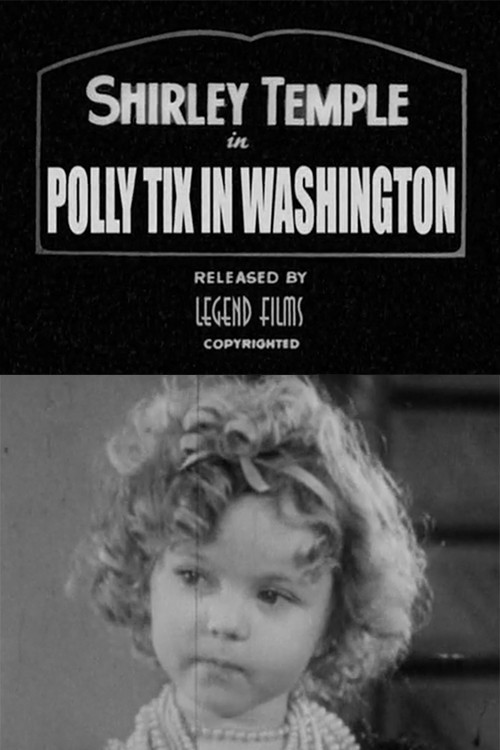
1933
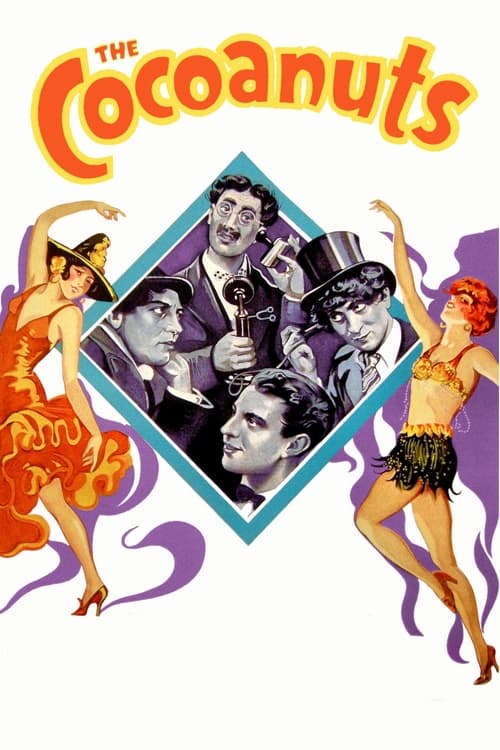
1929
No reviews yet. Be the first to share your thoughts on this movie!
Use the rating form above to leave a star rating and optional review.