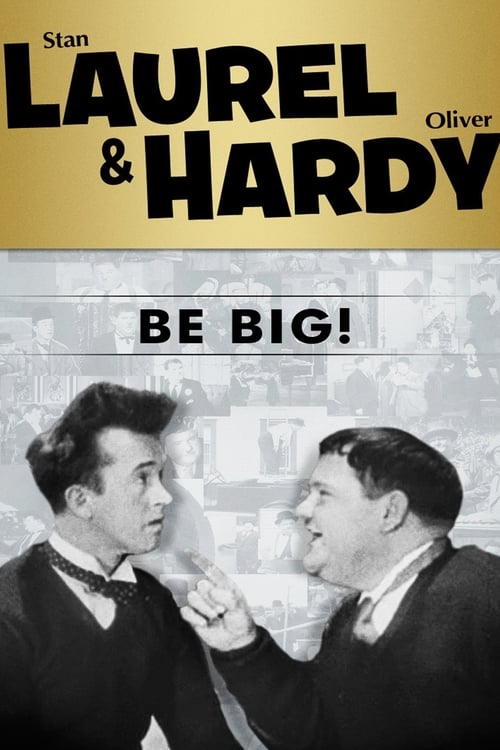
Be Big!
1931
No user ratings available yet
Diversity score: 2.2 out of 10
1931
NRDirector
James W. Horne
Runtime
20 minutes
Average Rating
No ratings yetSynopsis
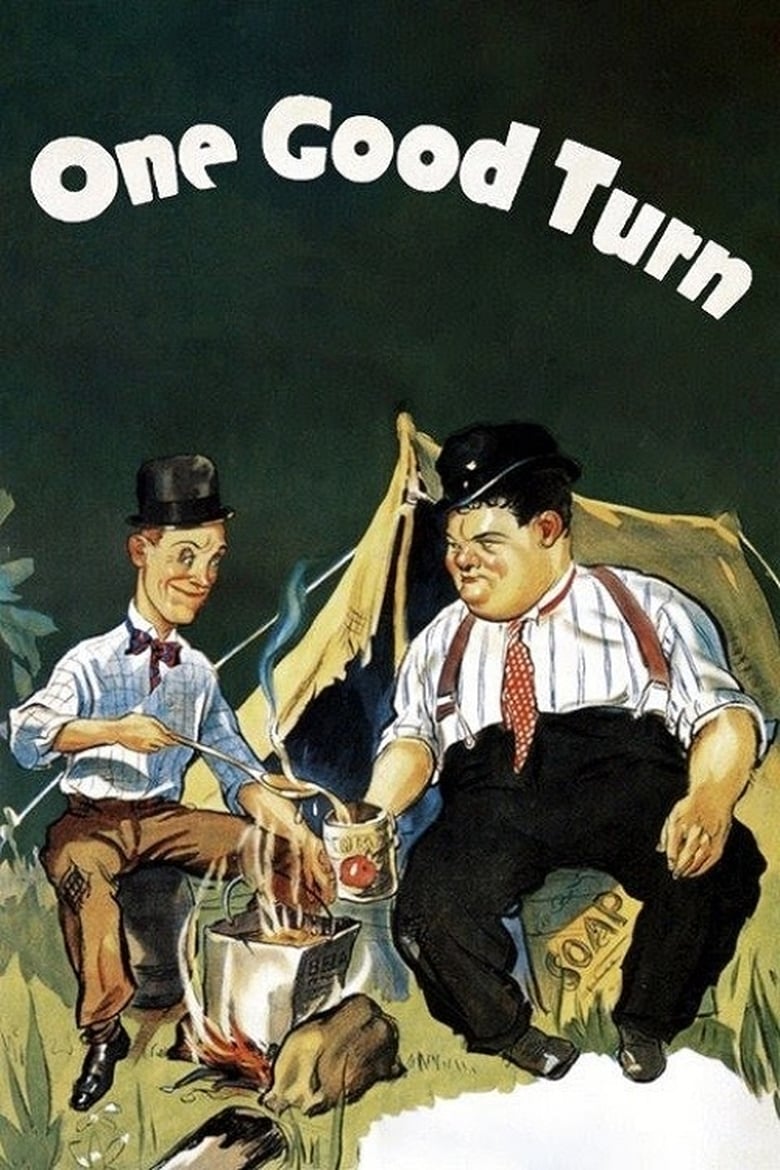
Down and out Stan and Ollie beg for food from a friendly old lady who provides them with sandwiches. While eating, they overhear the lady's landlord tell her he's going to throw her out because she can't pay her mortgage. They don't realize that the old lady is really rehearsing for a play. Stan and Ollie decide to help the old lady by selling their car. During the auction a drunk puts a wallet in Stan's pocket. Ollie accuses Stan of robbing the old lady, but when the truth is revealed Stan takes revenge on Ollie.
Overall Score
Limited
Category Breakdown
LGBTQ+ Representation
The film lacks any discernible depiction of LGBTQ+ identities. Character dynamics center on traditional comedic archetypes, providing no framework for queer visibility.
Gender Representation
The narrative relies on traditional gender roles. While a female character acts as a plot catalyst, she remains a passive recipient of the male protagonists' actions.
Racial & Ethnic Diversity
The film features a homogeneous cast with no evidence of racial blending. The setting reflects a standard, non-diverse Western social landscape of the early 1930s.
Religious & Cultural Diversity
Themes of economic instability and landlord-tenant relations offer a mild critique of class. However, the film avoids systemic critiques, using these tensions as a backdrop for slapstick.
Disability Representation
There is no evidence of characters possessing visible or invisible disabilities. No such traits are utilized as plot devices within the narrative.
Strengths
Areas for Improvement
AI Analysis
One Good Turn is a product of its era, prioritizing physical slapstick and situational irony over the exploration of identity. The film adheres to the standard demographic and structural norms of early 1930s cinema, offering minimal representation across most categories. The narrative is driven by male protagonists, reinforcing conventional masculine-led comedic structures. While it touches on class-based pressures through economic themes, it lacks a deeper ideological or anti-establishment framework. Ultimately, the work functions as a traditional comedy that avoids subverting social hierarchies or engaging with intersectional narratives.
1931
1932
1931
1935
1931
1935
1929
1931
1930
1928
1940

1942
No reviews yet. Be the first to share your thoughts on this movie!
Use the rating form above to leave a star rating and optional review.